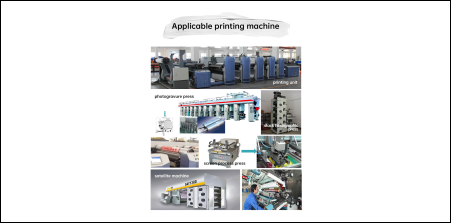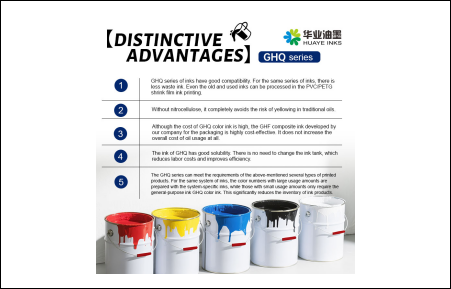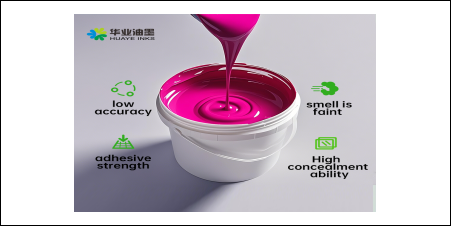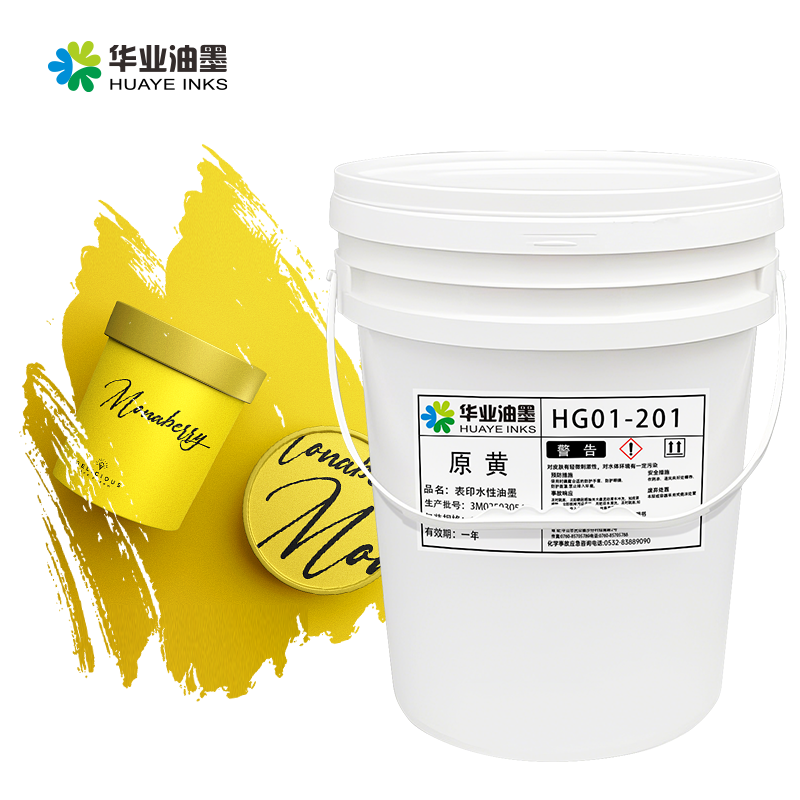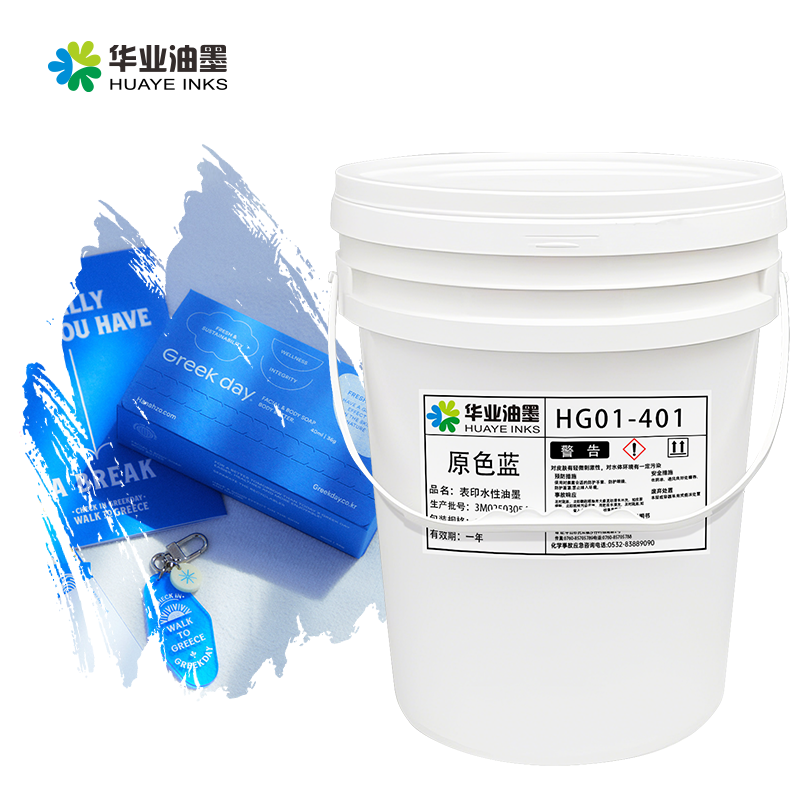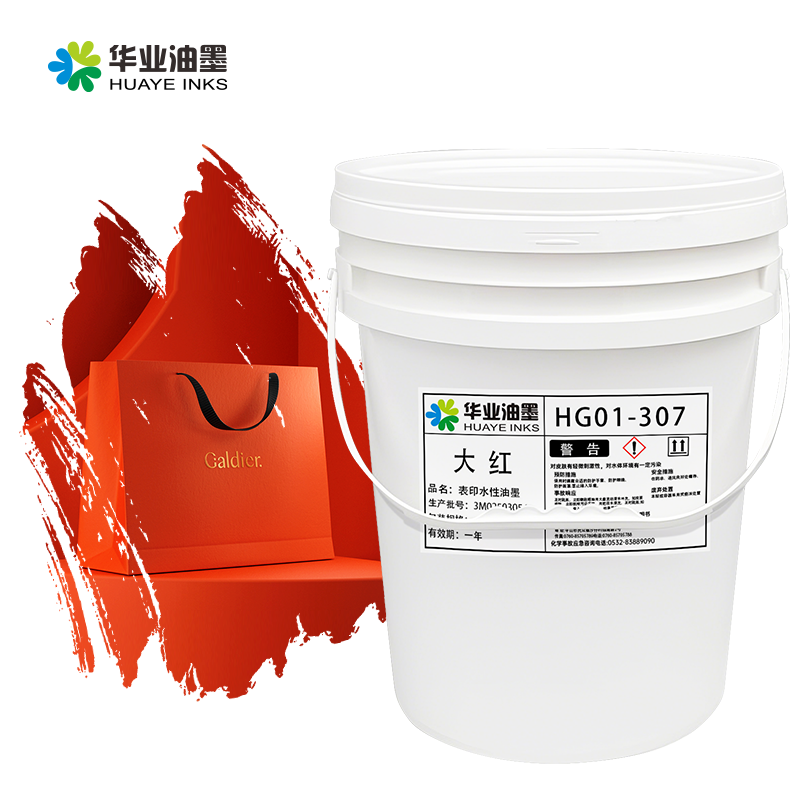
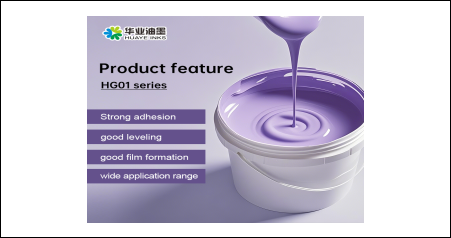
Aqueous intaglio printing ink for plastic in Europe has witnessed significant growth in recent years, driven by stringent environmental regulations and the increasing demand for sustainable printing solutions. In the European market, where environmental consciousness is high, plastic packaging is widely used across various industries, such as food, beverage, cosmetics, and consumer goods. Aqueous intaglio printing inks are preferred for plastic printing due to their low volatile organic compound (VOC) emissions, which align with the strict environmental standards set by the European Union. These inks are specifically formulated to adhere well to different types of plastic substrates commonly used in Europe, including polyethylene (PE), polypropylene (PP), and polyethylene terephthalate (PET). The binders in aqueous intaglio printing inks for plastic are designed to create a strong bond with the plastic surface, ensuring that the printed images remain intact during the packaging process, transportation, and end - use. The pigments used are carefully selected for their high color strength, lightfastness, and resistance to fading, enabling the reproduction of vibrant and accurate colors that meet the aesthetic and branding requirements of European consumers. Moreover, the drying characteristics of aqueous intaglio printing inks for plastic are optimized for the printing equipment and processes commonly employed in European printing facilities. Specialized drying systems, such as infrared dryers and hot air blowers, are used to accelerate the evaporation of water in the ink, ensuring fast - drying and high - speed production. Additionally, these inks offer good resistance to moisture, chemicals, and abrasion, which is crucial for plastic packaging that may be exposed to various environmental conditions during storage and distribution in Europe. The development of aqueous intaglio printing inks for plastic in Europe also focuses on meeting the specific needs of different industries. For example, in the food packaging sector, these inks must comply with strict food safety regulations, ensuring that they do not pose any risk to human health. As the European market continues to evolve towards more sustainable and high - quality printing solutions, the demand for aqueous intaglio printing inks for plastic is expected to further increase.