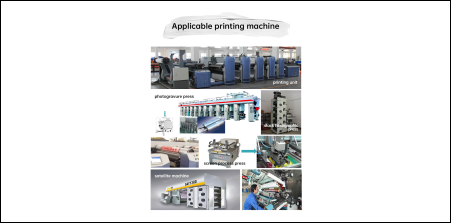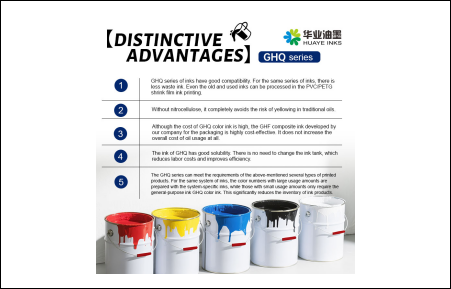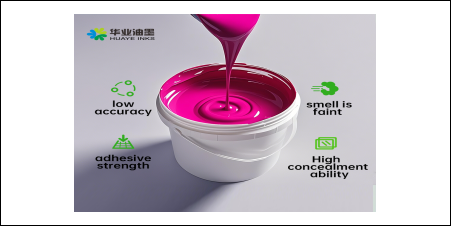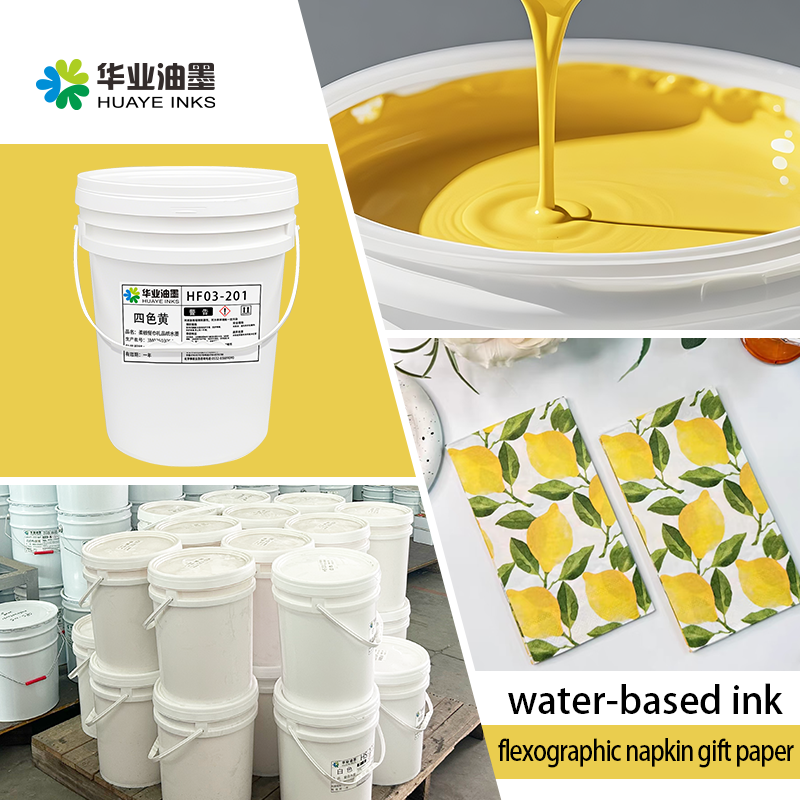

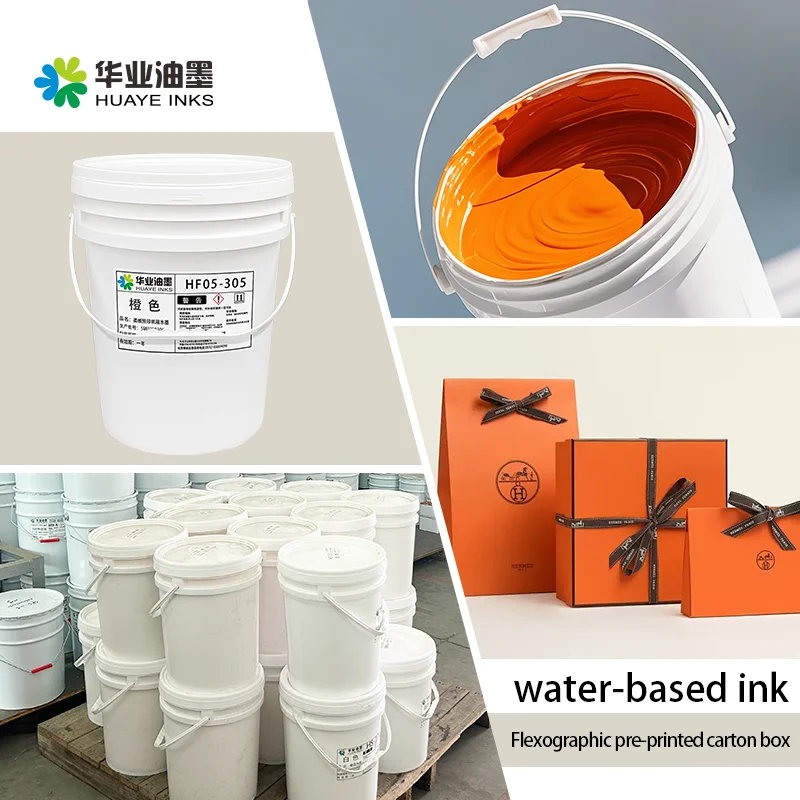
Flexo ink with low viscosity offers distinct advantages in the flexographic printing process, enabling smooth ink transfer and efficient printing operations. In flexography, the ink is transferred from the anilox roller to the flexible printing plate and then to the substrate. Low - viscosity inks flow more easily, allowing for better filling of the cells on the anilox roller and more precise transfer to the printing plate. This results in consistent ink laydown and improved print quality, with reduced risk of ink starvation or uneven coverage. The lower viscosity of these inks also facilitates high - speed printing. As printing presses become faster to meet production demands, low - viscosity flexo inks can keep up with the increased speed without causing issues such as splashing or smearing. They dry more quickly on the substrate, reducing the drying time required between printing passes and increasing overall productivity. Flexo inks with low viscosity are particularly suitable for printing on porous substrates like paper and cardboard. The ink can penetrate the surface of these materials more readily, ensuring good adhesion and color saturation. Moreover, they are often used in applications where fine details and high - resolution printing are required, such as in the production of labels with small text or intricate designs. Continued research in low - viscosity flexo ink technology focuses on optimizing the ink's performance, reducing environmental impact by using more sustainable solvents, and improving compatibility with different printing equipment and substrates.