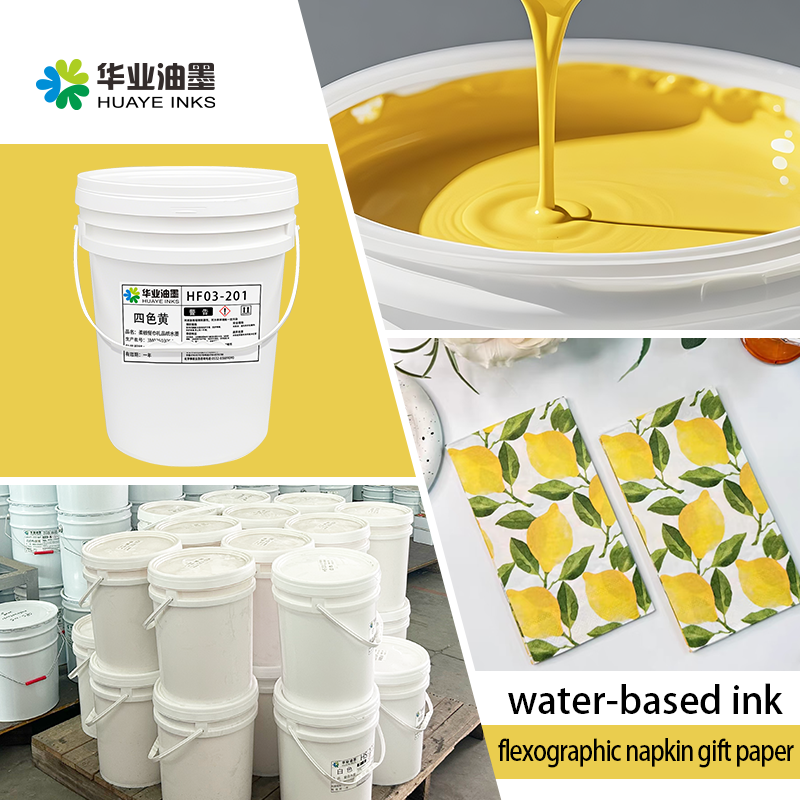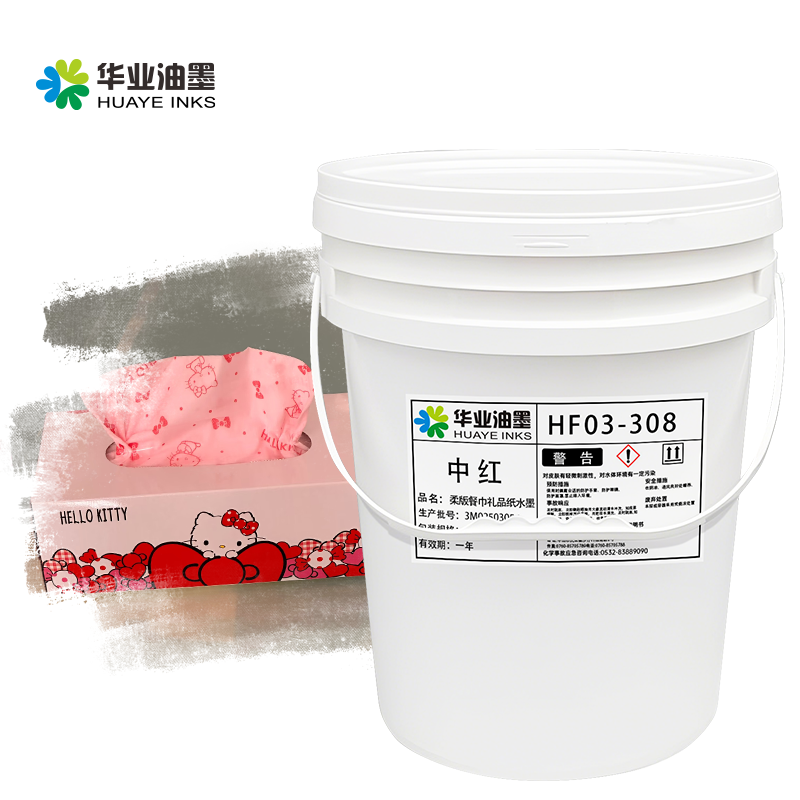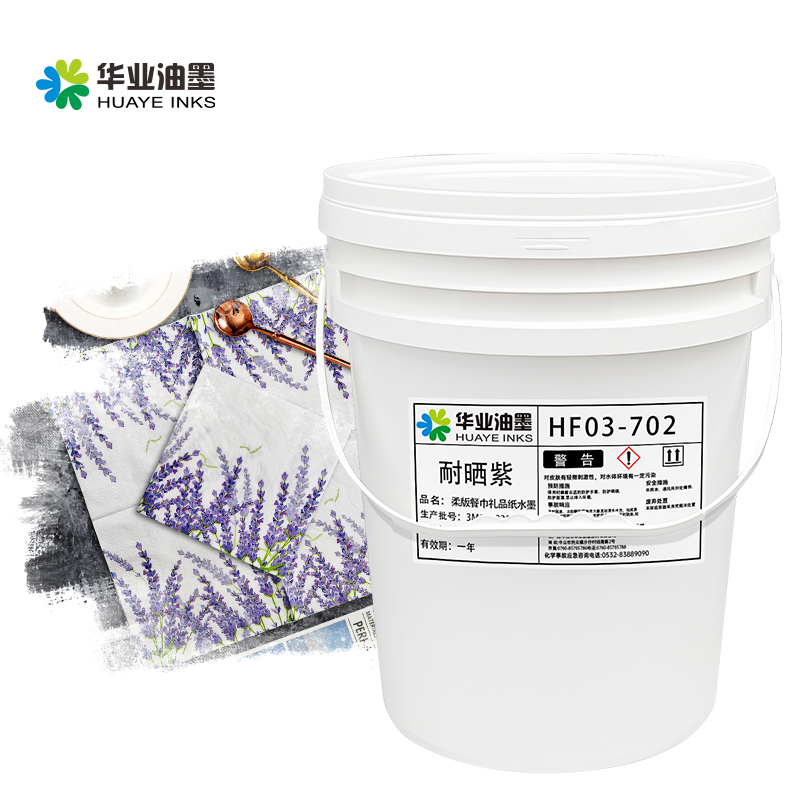
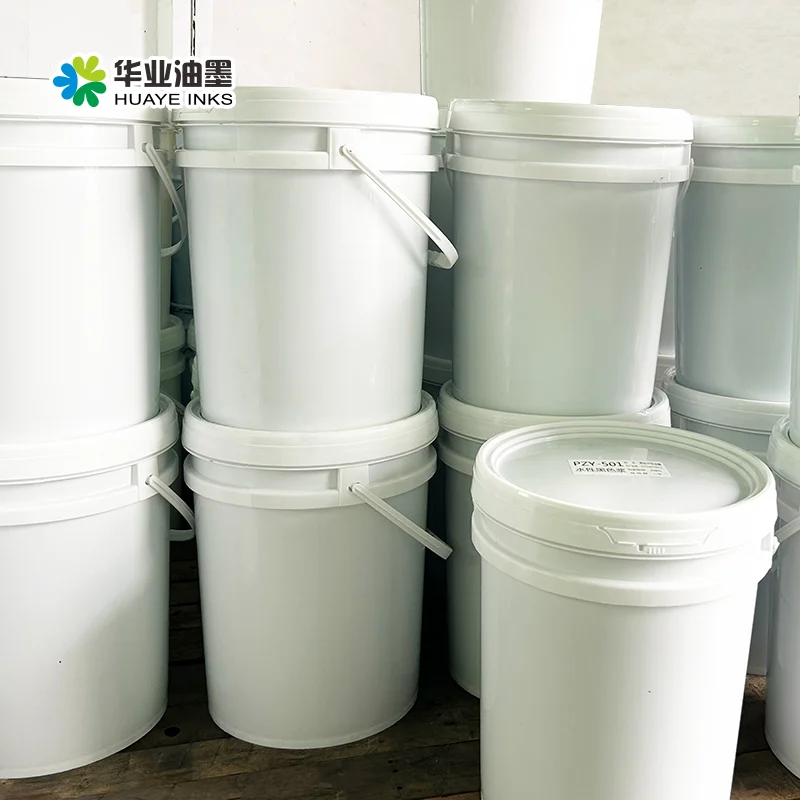
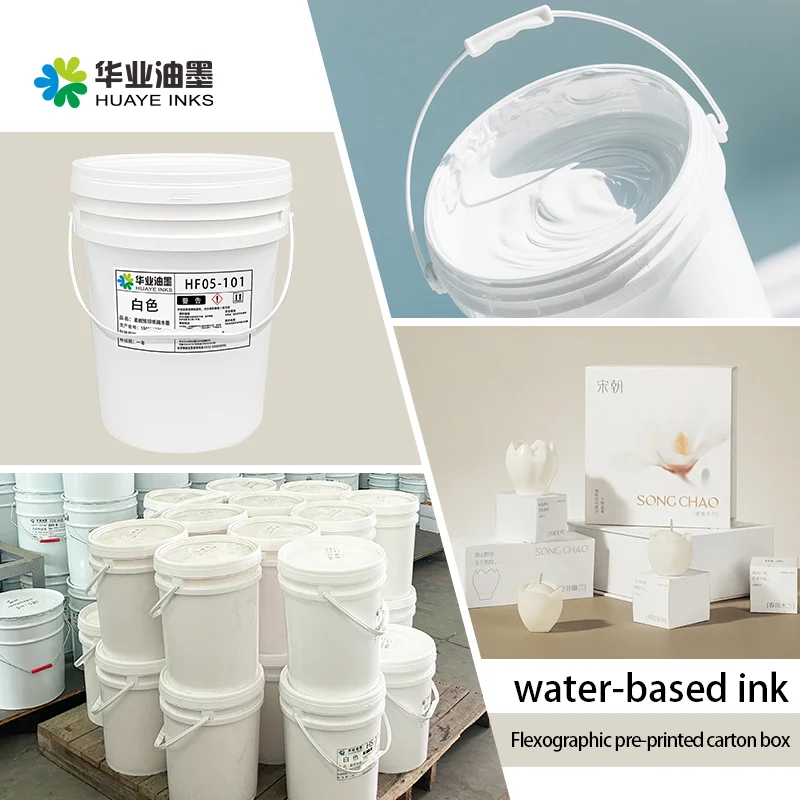
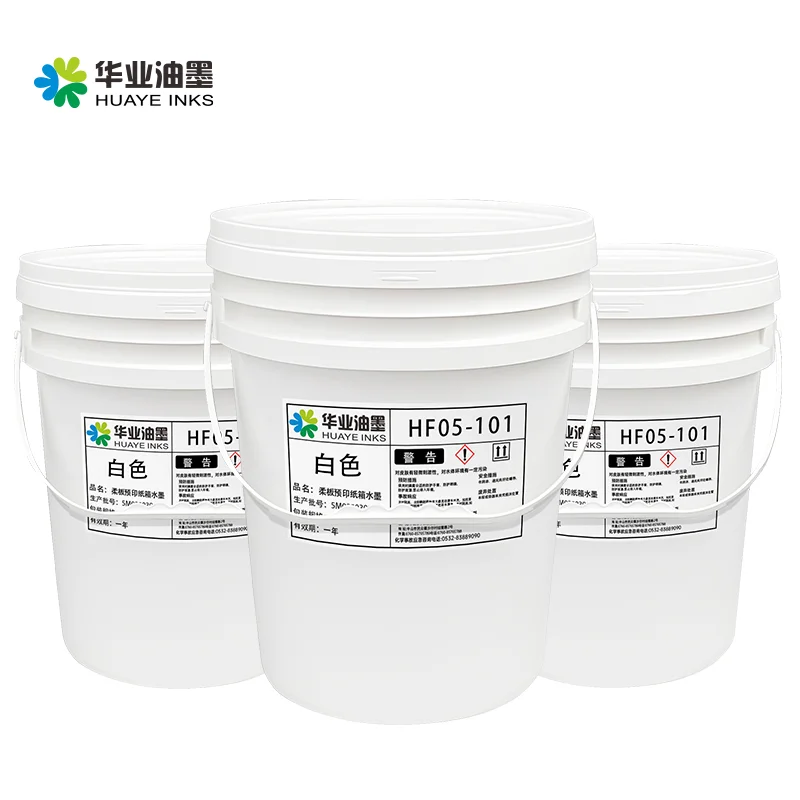
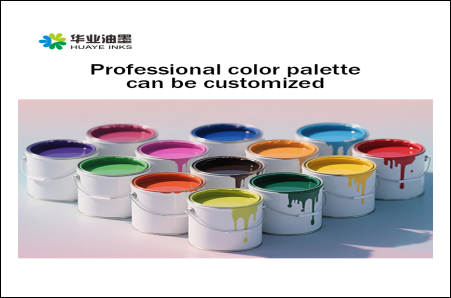
Water - based flexo ink has emerged as a popular and environmentally friendly alternative in the flexographic printing industry. Unlike solvent - based inks that rely on organic solvents for drying, water - based flexo inks use water as the primary carrier for pigments, binders, and additives. This fundamental difference offers several significant advantages. From an environmental perspective, water - based flexo inks are much more sustainable. They have low or zero volatile organic compound (VOC) emissions, reducing air pollution and minimizing the impact on human health and the environment. This makes them compliant with strict environmental regulations in many regions and an attractive option for companies looking to reduce their ecological footprint. In terms of performance, water - based flexo inks have made significant advancements. They offer good printability, with a balanced viscosity that allows for smooth ink transfer and consistent coverage on various substrates, including paper, cardboard, and some types of plastics. The inks dry through the evaporation of water, and with the use of appropriate drying technologies, such as forced - air drying or infrared drying, the drying time can be optimized to meet production requirements. Water - based flexo inks also provide good color performance, capable of reproducing a wide range of colors with decent accuracy. They have improved adhesion properties on many substrates, especially those with some degree of porosity. Additionally, these inks often have low odor, making them suitable for applications where air quality is a concern, such as indoor printing or the printing of products that will be in close proximity to consumers. As the demand for sustainable printing solutions continues to grow, the development of water - based flexo inks will focus on further improving performance, expanding substrate compatibility, and enhancing overall print quality.