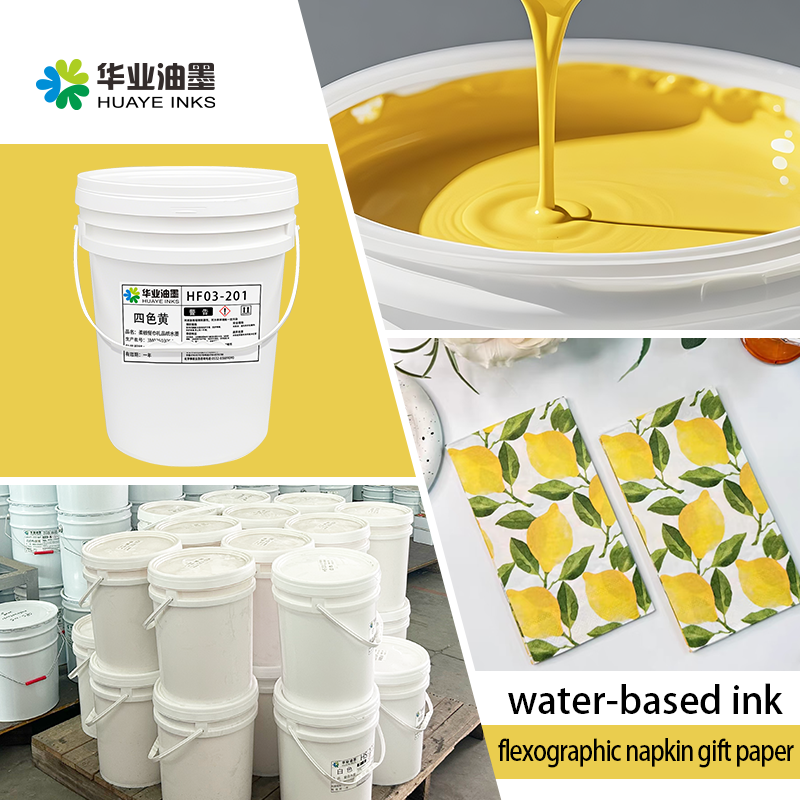

Flexographic ink is a cornerstone of the flexographic printing industry, enabling the creation of high - quality printed materials across a wide range of applications. From packaging products to labels and commercial prints, flexographic ink plays a vital role in conveying brand messages, product information, and visual appeal. The development of flexographic ink involves a deep understanding of printing technology and material science. The ink's formulation is tailored to the specific requirements of flexographic printing, which utilizes a flexible relief plate to transfer ink to the substrate. Key considerations in the formulation include ink viscosity, surface tension, and drying characteristics. Viscosity is carefully controlled to ensure that the ink can be effectively transferred from the anilox roll to the printing plate and then to the substrate. Surface tension is adjusted to promote proper wetting and even distribution of the ink on the plate and substrate surfaces. Flexographic inks are available in multiple types, each with distinct advantages. Solvent - based flexographic inks have long been used for their excellent adhesion to non - porous substrates like plastic films and their fast - drying properties. However, in response to environmental concerns and regulations, water - based flexographic inks have emerged as a popular alternative. These inks use water as the primary solvent, reducing VOC emissions and making them more environmentally friendly. They are particularly suitable for applications where low - odor and non - toxic properties are required, such as food and beverage packaging. UV - curable flexographic inks are also increasingly popular, especially in high - speed printing applications. They cure instantly when exposed to UV light, allowing for rapid production and producing prints with outstanding durability, resistance to abrasion, and chemical resistance. The pigments in flexographic ink are selected based on their color - rendering capabilities, lightfastness, and compatibility with the ink matrix. High - quality pigments ensure vibrant and accurate color reproduction, which is essential for brand recognition and product differentiation. Additives are often incorporated into flexographic ink to enhance specific properties, such as improving adhesion, adjusting drying speed, and increasing resistance to environmental factors. As the flexographic printing industry continues to grow and adapt to new technologies and market demands, the development of flexographic ink will remain a dynamic field, focused on delivering inks that are more efficient, sustainable, and capable of meeting the diverse needs of modern printing applications.