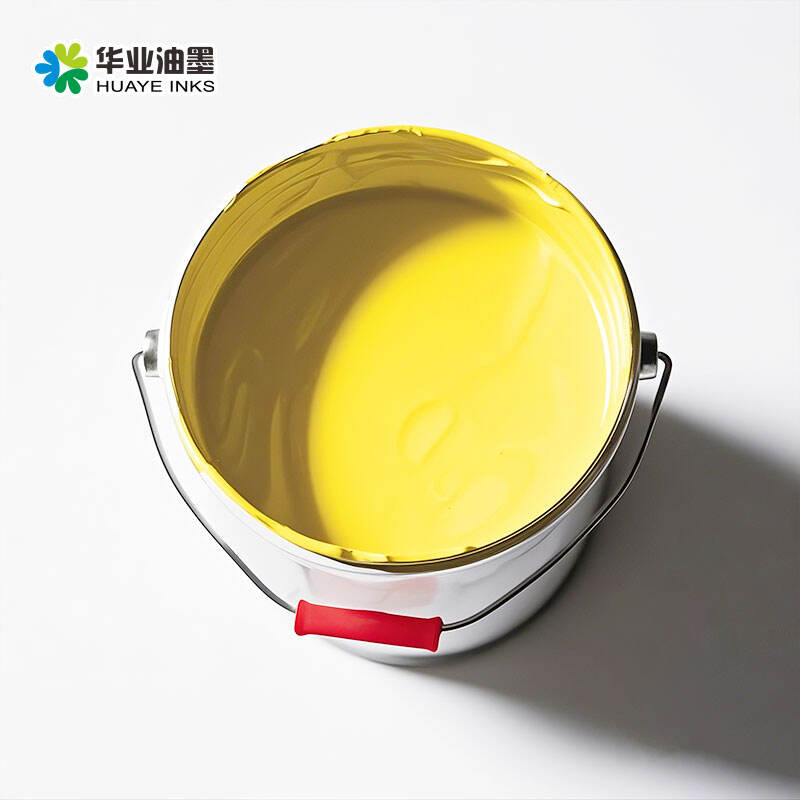
Lightfast heating color variable printing ink is a specialized type of ink that combines two important characteristics: lightfastness and color - changing properties in response to heat. This unique combination makes it highly valuable for a variety of applications where both long - term color stability under light exposure and the ability to change color with temperature variations are required. The lightfastness of this ink is achieved through the careful selection and formulation of pigments. Specialized pigments with excellent resistance to fading when exposed to sunlight or other light sources are used. These pigments are often treated with surface modifiers or encapsulated in protective layers to enhance their light - stability. By incorporating such pigments, the ink can maintain its color integrity over an extended period, even when used in outdoor applications or products that are frequently exposed to light. The color - variable property of the ink is based on thermochromic technology. Thermochromic materials in the ink change their color when the temperature reaches a specific range. There are different types of thermochromic mechanisms used in the ink formulation. Reversible thermochromic inks can change color back and forth as the temperature fluctuates within a certain range. For example, they may change from one color to another when heated and then revert to the original color when cooled. Irreversible thermochromic inks, on the other hand, change color when heated but do not return to the original color when cooled, which can be useful for applications like indicating that a product has been exposed to high temperatures. Lightfast heating color variable printing ink is widely used in various industries. In the packaging industry, it can be used on food and beverage packaging to indicate product freshness or temperature abuse. For instance, a color change on a food package could signal that the product has been stored at an improper temperature, ensuring consumer safety. In the pharmaceutical industry, it can be applied to drug packaging to show if the medication has been exposed to excessive heat, which could affect its efficacy. In the field of consumer goods, this ink can add an element of interactivity and novelty. For example, on children's toys or novelty items, the color - changing feature can make the products more engaging. Additionally, in the anti - counterfeiting industry, the combination of lightfastness and color - variable properties can be used to create complex and difficult - to - replicate security features on documents, labels, and packaging, enhancing protection against counterfeiting.