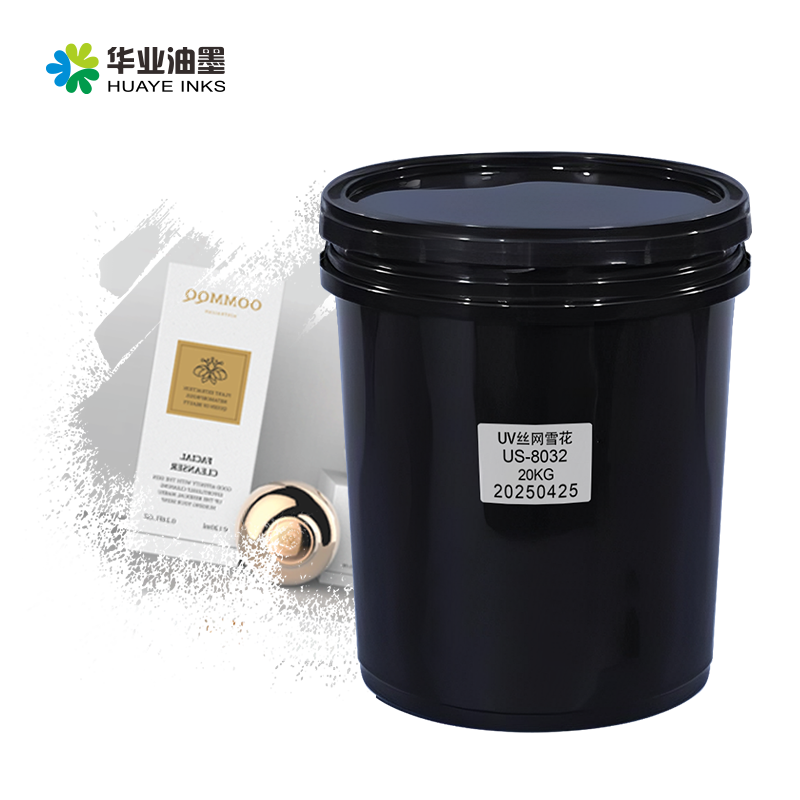
UV curable inkjet technology represents a significant leap forward in the field of digital printing. At the core of this technology are UV curable inks, which are formulated to dry and cure almost instantaneously upon exposure to ultraviolet (UV) light. This unique characteristic offers numerous advantages over traditional inkjet inks, making UV curable inkjet a preferred choice for a wide range of applications. The formulation of UV curable inks typically includes monomers, oligomers, pigments, photoinitiators, and additives. Monomers and oligomers serve as the building blocks of the ink, forming a polymer network when cured. Pigments provide the color, while photoinitiators are crucial for the curing process. When the ink is jetted onto the substrate and exposed to UV light, the photoinitiators absorb the UV energy and initiate a chemical reaction called polymerization. This rapid polymerization process transforms the liquid ink into a solid, durable film within milliseconds. One of the primary benefits of UV curable inkjet is its exceptional print quality. The inks offer high color density, sharpness, and resolution, allowing for the creation of detailed and vibrant prints. They can reproduce a wide gamut of colors, ensuring accurate color representation in both photographic and graphic applications. Moreover, the instant curing of the ink prevents smudging and bleeding, even on non - porous substrates, resulting in clean and precise prints. Another significant advantage is the durability of UV curable inkjet prints. Once cured, the printed images are highly resistant to abrasion, fading, chemicals, and moisture. This makes them suitable for various applications, including outdoor signage, labels, packaging, and promotional products. For example, outdoor banners printed with UV curable inkjet inks can withstand harsh weather conditions and prolonged sun exposure without significant color degradation. UV curable inkjet also offers versatility in terms of substrate compatibility. It can be used on a wide range of materials, such as plastics, metals, glass, wood, paper, and cardboard. This allows for the production of customized products across different industries. In the electronics industry, for instance, UV curable inkjet inks are used for circuit board printing and component marking due to their precision and durability. However, implementing UV curable inkjet technology requires specialized equipment. UV curing systems, such as UV lamps or LED UV curing units, must be integrated into the inkjet printer to provide the necessary UV light for curing. Additionally, proper ventilation is required to manage the heat generated during the curing process. Moreover, UV curable inks can be more expensive than traditional inkjet inks, and their handling and storage require special precautions to prevent premature curing. Despite these challenges, the continuous innovation in UV curable inkjet technology is driving its widespread adoption. Newer ink formulations are being developed to improve curing efficiency, reduce energy consumption, and enhance adhesion on various substrates. As the demand for high - quality, durable, and customized digital printing solutions continues to grow, UV curable inkjet is poised to play an increasingly important role in the future of the printing industry.

 EN
EN