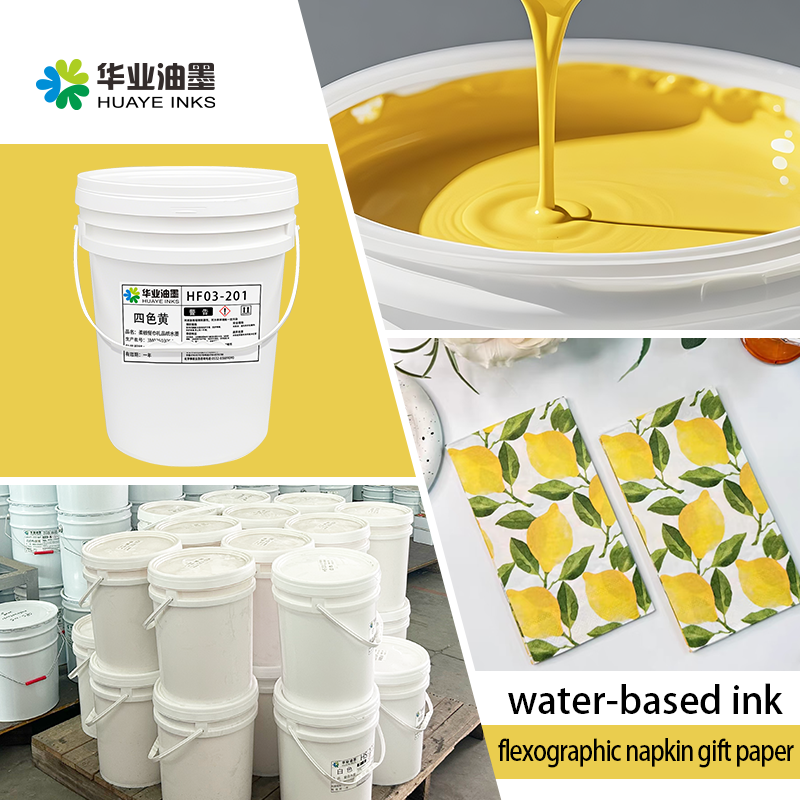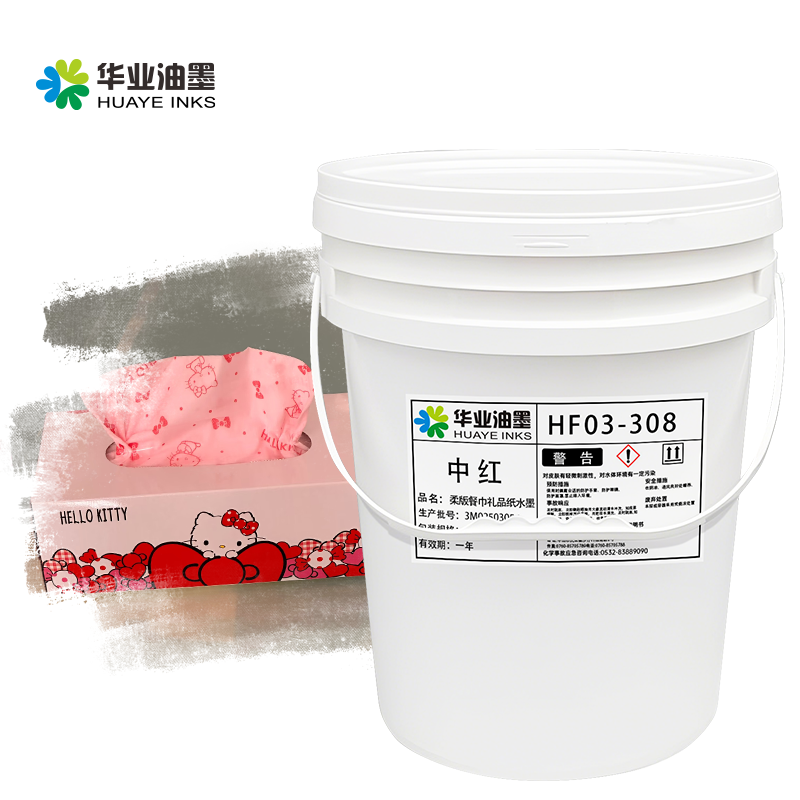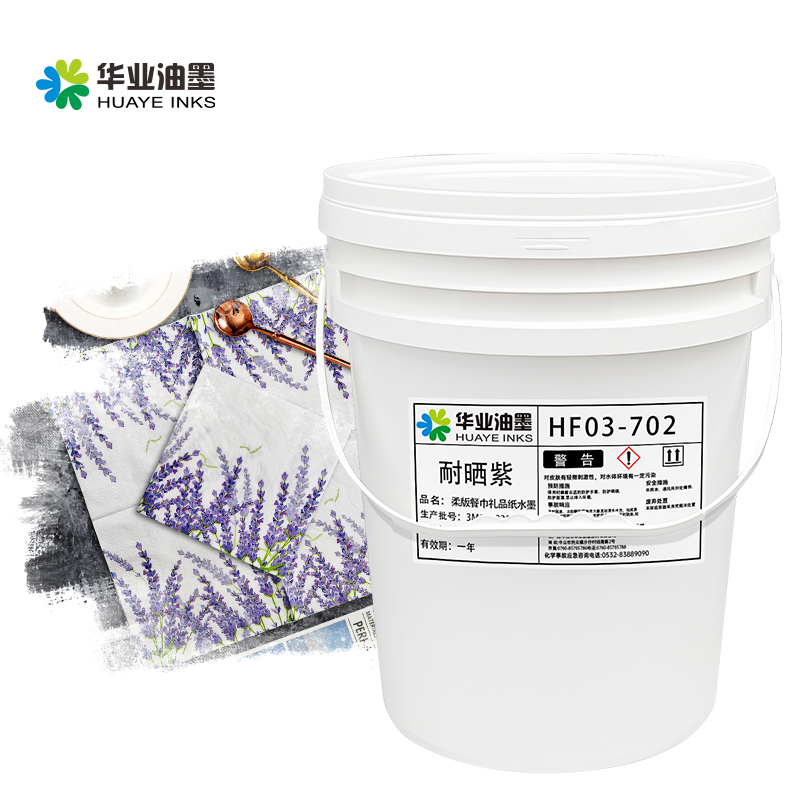

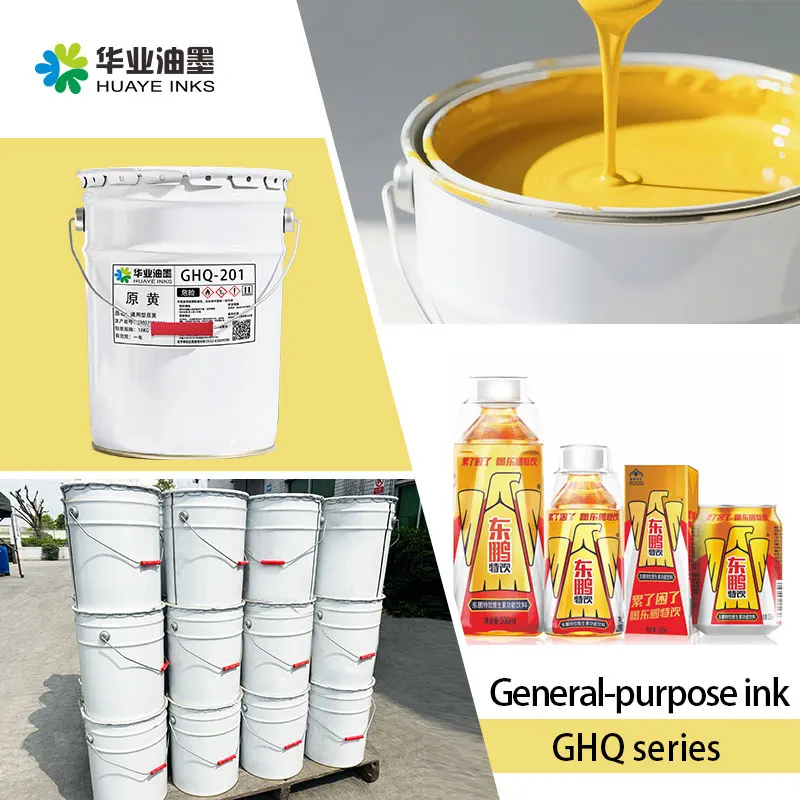
Water based flexographic ink has emerged as a game - changer in the flexographic printing industry, offering a harmonious blend of environmental friendliness and high - performance capabilities. As environmental concerns and regulations regarding VOC emissions become more stringent, water based flexographic ink has gained significant traction due to its eco - friendly nature. The formulation of water based flexographic ink is a meticulous process. Water, as the solvent, replaces traditional organic solvents, greatly reducing the release of harmful chemicals into the environment. The binder system is carefully designed using water - soluble or water - dispersible polymers. These polymers not only provide adhesion to substrates but also contribute to the ink's film - forming properties, ensuring durability and resistance to wear and tear. The choice of binder depends on the type of substrate, whether it's paper, cardboard, or plastic, to ensure optimal bonding and performance. Pigments in water based flexographic ink are selected for their compatibility with the water - based medium. They are dispersed evenly with the help of dispersants to achieve consistent color quality. High - quality pigments are crucial for vibrant and accurate color reproduction, meeting the aesthetic demands of various printing applications. Additives are incorporated to enhance specific properties of the ink. For instance, surfactants are used to control the surface tension, allowing the ink to spread evenly on the substrate and prevent issues like ink pooling or uneven coverage. Drying aids are added to manage the drying process, as water has a higher boiling point compared to organic solvents. This helps prevent problems such as slow drying, which can lead to smudging or misregistration in the printing process. Water based flexographic ink is widely used in industries where environmental considerations are paramount, such as the food and beverage packaging sector. Its low - odor and non - toxic properties make it suitable for products in direct contact with consumers. It also finds applications in other areas like label printing, where its ability to produce sharp, colorful prints on various label materials is highly valued. Although it faces challenges such as the need for specialized drying equipment and potential adhesion issues on certain substrates, continuous advancements in formulation and technology are enhancing its performance, making it an increasingly preferred choice for flexographic printing.