
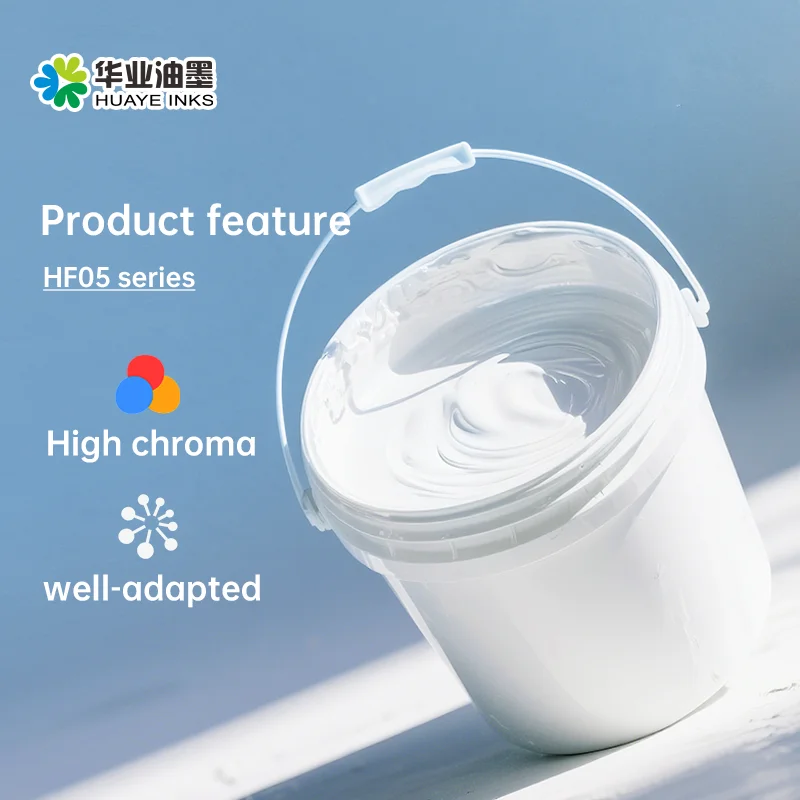
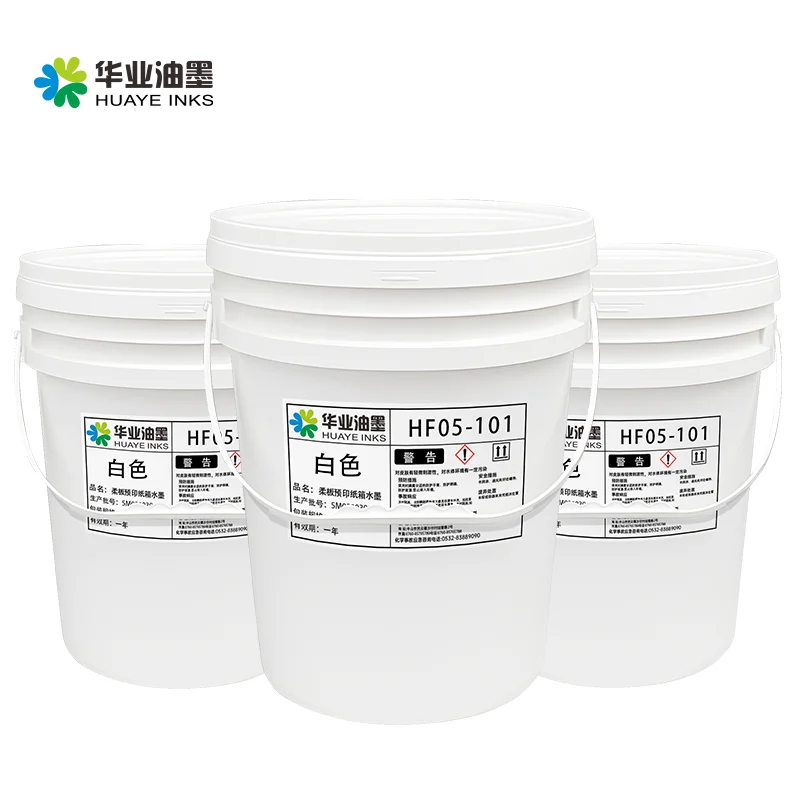
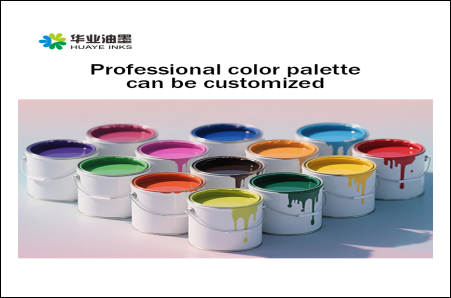
In the realm of printing and coating, inks and solvents share an intricate and symbiotic relationship. Solvents play a crucial role in the formulation of inks, serving multiple essential functions. They act as carriers for pigments, binders, and other additives, facilitating the smooth application of ink onto various substrates. By dissolving or dispersing these components, solvents ensure a homogeneous mixture, which is vital for consistent print quality. Different types of solvents are used depending on the nature of the ink and the application requirements. Organic solvents, such as esters, ketones, and alcohols, are commonly employed in solvent - based inks. These solvents have specific evaporation rates, solubility parameters, and chemical properties that influence the drying time, adhesion, and overall performance of the ink. For example, a solvent with a faster evaporation rate can enable quicker drying, which is beneficial for high - speed printing processes. The choice of solvent also impacts the ink's compatibility with different substrates. Some solvents may interact more effectively with certain materials, enhancing adhesion and preventing issues like peeling or flaking. Inks formulated with the right solvents can bond well with a wide range of surfaces, including paper, plastic, metal, and fabric. Moreover, the relationship between inks and solvents extends to environmental and safety considerations. Traditional solvent - based inks can release volatile organic compounds (VOCs) into the atmosphere during the drying process, contributing to air pollution. As a result, there is a growing trend towards developing more environmentally friendly solvents and ink formulations. Water - based inks, for instance, use water as the primary solvent, reducing the emission of harmful VOCs. Additionally, bio - based solvents derived from renewable resources are emerging as sustainable alternatives. Inks and solvents are also continuously evolving in terms of performance and functionality. Advancements in solvent technology are leading to the development of inks with improved color vibrancy, durability, and resistance to various environmental factors. Researchers are constantly exploring new solvent blends and additives to optimize ink properties, making them more suitable for demanding applications in industries such as packaging, electronics, and automotive.