
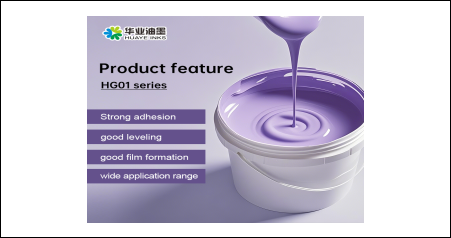
Water based polyurethane varnish represents a pinnacle of innovation in the coating industry, offering a perfect blend of environmental sustainability and outstanding performance. This type of varnish utilizes water as the primary solvent instead of traditional volatile organic compound (VOC) - rich solvents, making it a more eco - friendly option. Environmentally, water based polyurethane varnish significantly reduces the environmental impact associated with coating applications. By minimizing VOC emissions, it helps improve air quality and creates a safer working environment for applicators. This has made it a preferred choice for companies aiming to meet strict environmental regulations and enhance their sustainability credentials. In terms of performance, water based polyurethane varnish is highly regarded for its durability and protective properties. Polyurethane is renowned for its exceptional hardness, abrasion resistance, and chemical resistance, and water based formulations retain these characteristics. When applied to substrates such as wood, metal, concrete, or plastic, it forms a tough, transparent film that provides long - lasting protection against scratches, wear, moisture, and UV degradation. The application process of water based polyurethane varnish is relatively user - friendly. It can be applied using common methods like spraying, brushing, or rolling. The varnish has good flow properties, allowing it to spread evenly and self - level, resulting in a smooth and flawless finish. However, due to its water - based nature, it typically has a longer drying time compared to solvent - based polyurethane varnishes. Proper ventilation and controlled drying conditions are essential to ensure optimal curing. In some cases, multiple coats may be required to achieve the desired level of protection and gloss, with appropriate drying and sanding between coats to ensure a smooth surface. Water based polyurethane varnish is compatible with a wide variety of substrates. On wooden surfaces, it not only protects the wood from damage but also enhances its natural beauty, highlighting the grain and color. For metal substrates, it offers excellent corrosion resistance, extending the lifespan of metal products. It can also be used on plastics to improve their surface hardness and resistance to scratching. Despite its many advantages, water based polyurethane varnish does face some challenges. The drying time can be a limiting factor in high - volume production settings, and the performance can be sensitive to environmental conditions during application. Additionally, proper substrate preparation, including cleaning, sanding, and priming if necessary, is crucial for achieving good adhesion and optimal results. Continuous research and development efforts are being made to improve the performance of water based polyurethane varnish. Newer formulations aim to reduce drying times, enhance adhesion on difficult substrates, and improve resistance to a wider range of chemicals and environmental factors. As the demand for sustainable and high - quality coating solutions continues to rise, water based polyurethane varnish is set to play an increasingly significant role in various industries, from furniture manufacturing to industrial applications.