
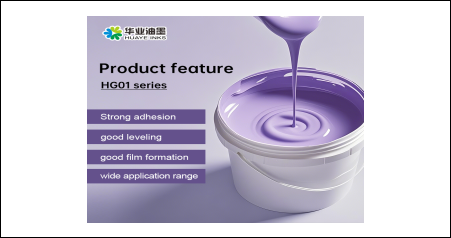
Water based clear varnish is a versatile and eco - friendly finishing solution widely used in various industries to enhance the appearance and durability of printed and coated surfaces. Unlike traditional solvent - based varnishes, water based clear varnish uses water as the primary solvent, which offers significant environmental and performance advantages. Environmentally, water based clear varnish is a more sustainable choice. It emits fewer volatile organic compounds (VOCs) during application and drying, reducing air pollution and creating a healthier working environment. This makes it compliant with strict environmental regulations in many regions and appealing to environmentally conscious businesses and consumers. From a performance perspective, water based clear varnish provides excellent protection and aesthetic enhancement. When applied over printed designs or coated surfaces, it forms a transparent, protective film that safeguards against scratches, abrasion, moisture, and UV radiation. This helps extend the lifespan of the printed materials, ensuring that the colors remain vibrant and the surface stays intact over time. The application process of water based clear varnish is relatively straightforward. It can be applied using various methods such as spraying, brushing, or roller coating, depending on the specific requirements of the project. The varnish has good leveling properties, ensuring a smooth and even finish without leaving brush marks or streaks. It also dries relatively quickly, although the drying time can be affected by factors such as humidity and temperature. To speed up the drying process, forced - air drying or heat - curing techniques can be employed. Water based clear varnish is compatible with a wide range of substrates, including paper, cardboard, wood, plastics, and metals. This makes it suitable for various applications, such as packaging printing, graphic arts, furniture finishing, and signage. It can be used to create different finishes, from high - gloss to matte, allowing designers to achieve the desired visual effect. However, like any coating material, water based clear varnish has its limitations. It may require multiple coats to achieve the desired level of protection and gloss, which can increase the production time and cost. Additionally, the performance of the varnish can be affected by the quality of the substrate and the application process. Proper surface preparation, such as cleaning and priming, is essential to ensure optimal adhesion and performance. Despite these challenges, the continuous development of water based clear varnish technology is improving its performance and expanding its applications. Newer formulations offer enhanced durability, faster drying times, and better resistance to chemicals and abrasion. As the demand for sustainable and high - quality finishing solutions continues to grow, water based clear varnish is expected to play an increasingly important role in various industries.