
 EN
EN

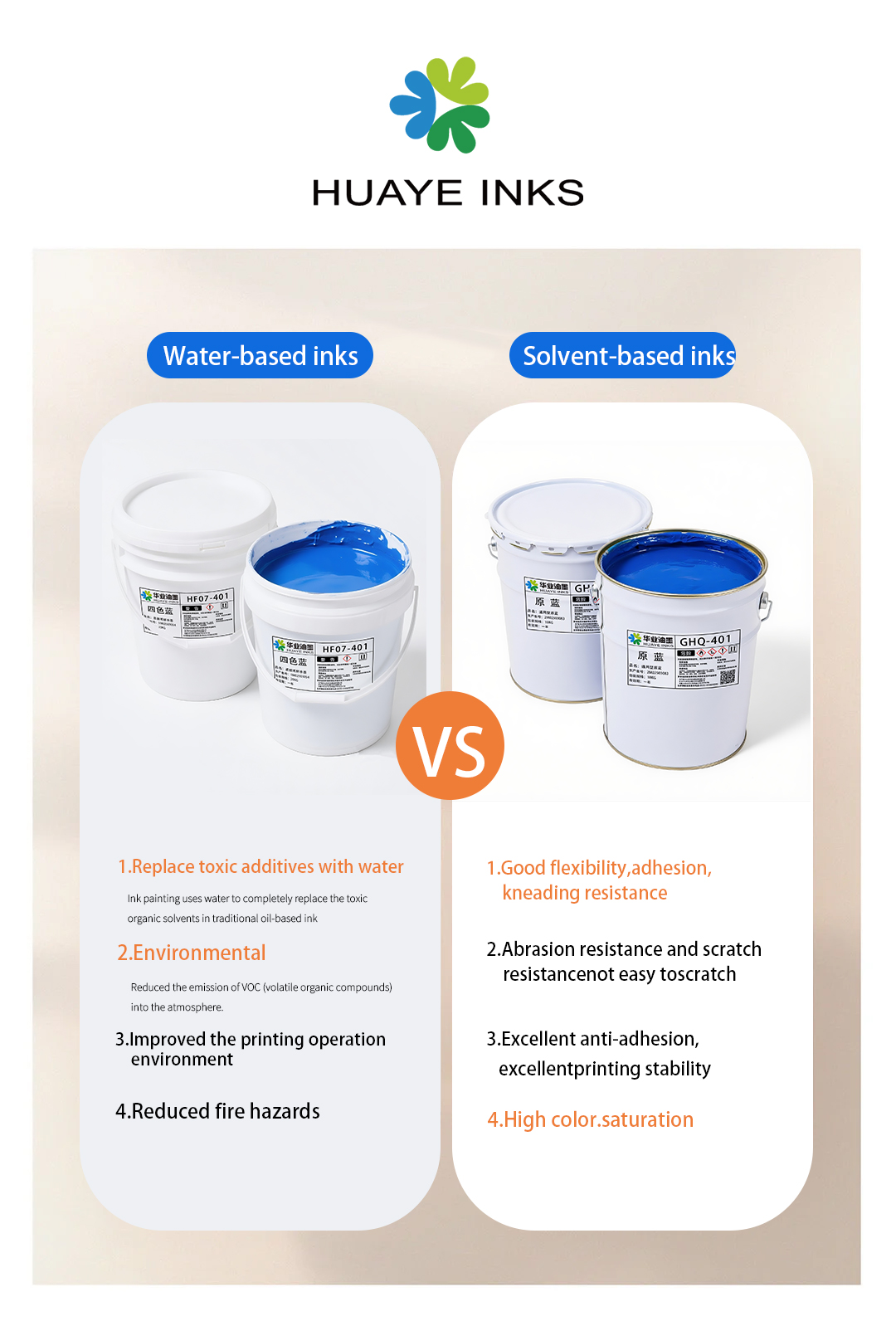
Environmental Impact of Water-Based Inks
What Defines Water-Based Ink and Its Eco-Friendly Composition
Water based inks typically contain around 60 to 70 percent water mixed with plant based resins and non toxic colorants. This means there's no need for those harsh petroleum solvents that traditional ink formulas rely on. The composition naturally cuts down on VOCs, which is a big plus when it comes to meeting regulations like REACH requirements and California's Proposition 65 laws about hazardous materials. Looking at some recent research from 2023, scientists found that regular solvent based inks actually have between 8 and 12 times more synthetic chemicals compared to water based alternatives. That makes a pretty strong case for why water based options are considered much cleaner from a chemical standpoint.
Lower VOC Emissions and Reduced Air Pollution
Switching to water based inks cuts down on VOC emissions anywhere from 85 to almost 95 percent when compared with those old solvent based systems. Regular printing inks tend to let out around 4.2 kilograms worth of VOCs for every single liter used. The water based versions? They barely put out between 0.3 and 0.5 kg instead. That makes a real difference because these volatile compounds contribute so much to smog problems and can actually harm people's lungs over time. According to some studies published back in 2022 by the Occupational Safety Journal, companies that made the switch saw about 72 fewer air quality related accidents at work. So it's not just good for the environment but also creates much safer conditions for everyone working there day after day.
Biodegradability and Wastewater Considerations
Over 90% of water-based ink components biodegrade within 30 days under composting conditions, contrasting sharply with the centuries required for solvent-based residues. Standard aerobic wastewater treatment processes remove 92–98% of water-based ink particles, far outperforming the 55–60% removal rate for solvent-based contaminants, which often persist due to their chemical stability.
Case Study: Carbon Footprint Reduction in Textile Printing with Water-Based Inks
A European textile manufacturer cut its annual carbon footprint by 43% after switching to water-based screen printing inks. The transition eliminated 14 metric tons of VOC emissions and reduced drying energy consumption by 18%, resulting in €120,000 saved over three years through lower waste disposal and regulatory compliance costs.
Environmental and Health Risks of Solvent-Based Inks
Chemical Composition and High VOC Emissions
Most solvent based inks contain petroleum products such as benzene, toluene, and xylene which help keep the color particles suspended properly. When these materials dry out, they release volatile organic compounds (VOCs) into the air at levels anywhere from four to seven times greater than what we see with water based options. This often means concentrations inside printing shops can go well beyond what OSHA considers safe for indoor environments. Looking at actual data from screen printing operations last year shows the difference clearly enough. For every ton of solvent ink processed, factories released around 12.3 kilograms worth of VOC emissions. That's significantly worse than the roughly 2.1 kg generated by their water based counterparts. Such stark differences make it hard to ignore the environmental impact when choosing between these two types of printing solutions.
Toxicity and Industrial Environmental Hazards
The International Agency for Research on Cancer puts benzene derivatives found in solvent based inks right at the top of their danger list - these are categorized as Group 1 carcinogens. People who work with them over years face real risks like developing leukemia or suffering liver damage. Then there's the problem of wastewater too. When companies produce these inks, they end up with water full of heavy metals and those stubborn resins that just won't break down naturally. Getting rid of this stuff properly costs a fortune because manufacturers have to follow strict EPA rules for disposal. Many small businesses struggle with these expenses while trying to stay compliant.
Air Pollution in Printing: The Role of Solvent-Based Systems
When solvent based inks are exposed to sunlight, they produce ground level ozone which is one of the main ingredients found in city smog. Looking at industry wide data, commercial printers account for about 8 percent of all volatile organic compound emissions worldwide from coatings work. Most of these emissions come from solvents evaporating as materials dry, making up around 92% of the total output. So called eco solvent options claim to cut down VOC levels somewhere between thirty to fifty percent, but they still rely heavily on glycol ethers made from fossil fuels. This means that throughout their entire life cycle, these alternatives continue contributing to greenhouse gases despite marketing claims otherwise.
Water-Based vs. Solvent-Based Inks: A Sustainability Comparison
Quantitative Comparison of VOC Emissions and Regulatory Implications
Studies on material sustainability show that water based inks cut VOC emissions by around 80 percent compared to their solvent based counterparts, as noted in recent research from Permaset back in 2023. Regulations are getting stricter these days, take for example the European Union's new rules limiting industrial VOC emissions to just 30 grams per cubic meter. Because of this, lots of old style solvent based printing systems simply cant keep up with compliance requirements anymore. Some top textile printing companies have made the switch entirely to water based inks and seen impressive results. One such company reported cutting down on air pollution by roughly 62%, all while keeping their production speeds exactly where they needed them to be.
Lifecycle Assessment: Sustainability Across Production, Use, and Disposal
A full lifecycle assessment shows water-based inks require 20–25% more energy during drying but offer substantial environmental benefits in waste and water management:
| Metric | Water-Based Inks | Solvent-Based Inks |
|---|---|---|
| Production Wastewater | 40% less contaminated | High chemical retention |
| Disposal Safety | Non-hazardous in 89% case | Requires special handling |
This tradeoff favors water-based inks in industries prioritizing long-term environmental compliance over short-term energy efficiency.
Energy Consumption and Waste Output: Environmental Performance Metrics
Although solvent-based systems use 30% less energy during application (Qinghe Chemical 2023), water-based inks generate 95% less hazardous waste. High-volume printers typically report:
- 200 kWh energy use per water-based batch vs. 150 kWh for solvent
- 15 kg non-toxic waste vs. 320 kg chemical sludge
These metrics highlight the dramatic reduction in environmental burden during end-of-life processing.
Balancing Performance Trade-Offs and Environmental Gains
Water based inks take much longer to dry compared to traditional options, often needing anywhere from a day to almost two days before they're fully set. This can be a real problem when working on tight deadlines or rush jobs. On the flip side though, these inks don't pollute the environment nearly as badly as solvent based alternatives do. They leave behind far less contamination in both soil and air, which makes them a smart choice as companies try to meet those ever tightening environmental standards from places like the EPA and REACH regulations. Looking at market data, around half of all sustainable printing materials used today are water based according to recent reports. The numbers keep climbing as printers gain more experience working with this type of ink and start seeing how well it actually performs despite the longer drying times.
Eco-Friendly Alternatives and Industry Shifts in Sustainable Printing
Rise of Bio-Based Inks: Hydrosoy and Other Sustainable Innovations
Print shops across the country are turning to eco-friendly inks such as Hydrosoy, a product made from mixing soybean oil with water based solutions instead of relying so heavily on traditional petroleum products. According to Graphic Arts Magazine from last year, plant derived inks already make up around 18 percent of all specialty inks sold in North America. What's pushing this shift? Recent breakthroughs with colors extracted from algae and binding agents made from cellulose materials. The good news is these newer formulas don't compromise on quality either they keep vibrant colors intact while actually making it easier to remove ink during paper recycling operations, which means less waste overall for the environment.
Water-Based vs. Soy-Based vs. Solvent-Based Inks: Key Differences and Applications
| Ink Type | Base Composition | Drying Mechanism | Ideal Use Cases |
|---|---|---|---|
| Water-Based | Water + Acrylics | Evaporation/Absorption | Textiles, Food Packaging |
| Soy-Based | Soybean Oil + Pigments | Oxidation | Publications, Retail Labels |
| Solvent-Based | Petrochemicals | VOC Evaporation | Durable Signage, Industrial |
Water-based inks perform best on porous substrates requiring rapid drying, while soy-based inks offer superior rub resistance for high-circulation print media. Both eliminate the hazardous air pollutants associated with solvent-based technologies.
Industry Trends Toward Greener Printing Technologies
The EU's Industrial Emissions Directive for 2025 is pushing manufacturers toward low-VOC formulas fast. About two thirds of printing companies have already made these eco friendly options their main focus. Many shops are turning to hybrid systems that mix water based inks with UV LED technology. These setups cut down on power usage around 40 percent when compared to traditional heat drying methods. This approach helps meet recycling goals while making printing shops greener overall. The industry seems to be moving away from old school practices as environmental concerns become more pressing day by day.
FAQ
What are water-based inks made of?
Water-based inks typically contain 60 to 70 percent water, plant-based resins, and non-toxic colorants, eliminating the need for petroleum solvents.
How do water-based inks compare with solvent-based inks in terms of VOC emissions?
Water-based inks significantly reduce VOC emissions by 85 to 95 percent compared to solvent-based inks, greatly reducing air pollution.
Are water-based inks biodegradable?
Yes, over 90% of water-based ink components biodegrade within 30 days under composting conditions.
What are the health risks associated with solvent-based inks?
Solvent-based inks contain petroleum products that release VOCs and could pose carcinogenic risks, potentially leading to health issues like leukemia.
Table of Contents
- Environmental Impact of Water-Based Inks
- Environmental and Health Risks of Solvent-Based Inks
- Water-Based vs. Solvent-Based Inks: A Sustainability Comparison
- Eco-Friendly Alternatives and Industry Shifts in Sustainable Printing
- Rise of Bio-Based Inks: Hydrosoy and Other Sustainable Innovations
- Water-Based vs. Soy-Based vs. Solvent-Based Inks: Key Differences and Applications
- Industry Trends Toward Greener Printing Technologies
- FAQ