
 EN
EN
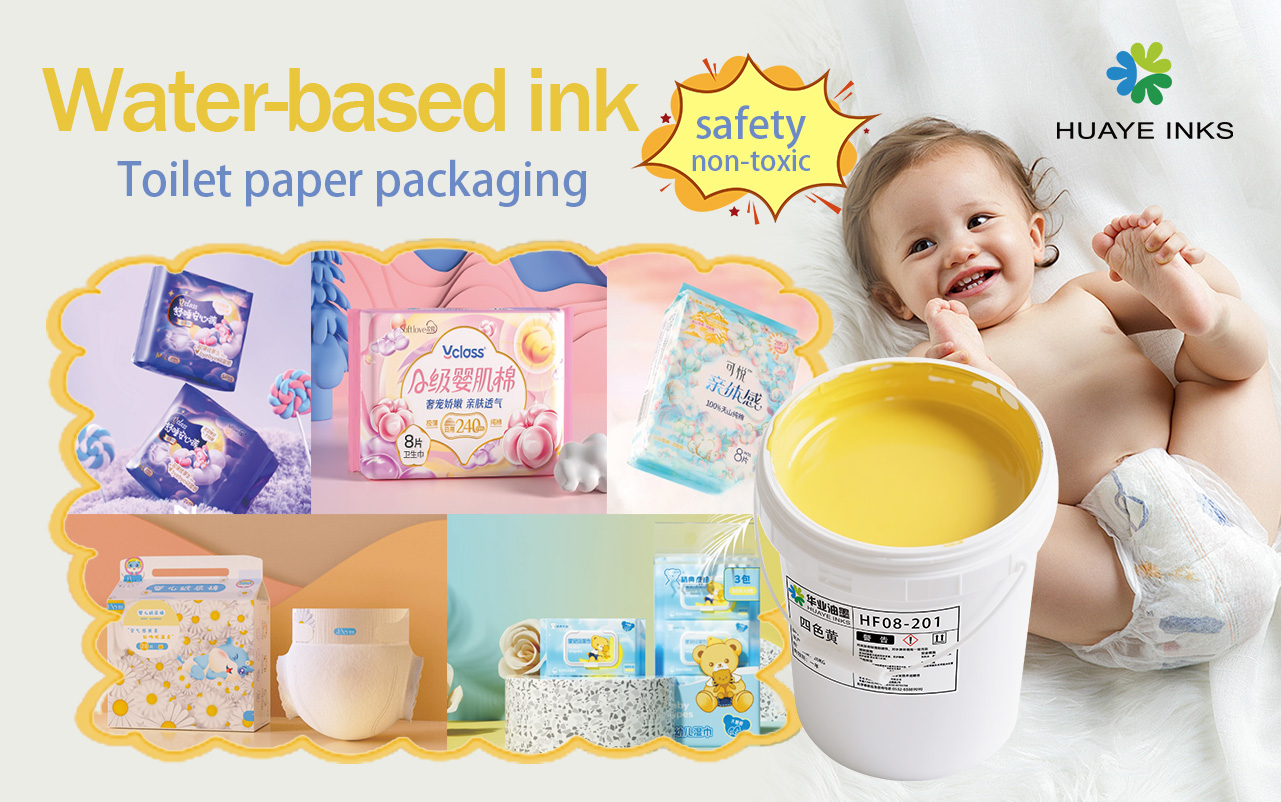
The Vulnerable Physiology of Infants and Heightened Sensitivity to Chemicals
Infants’ developing organs, thinner skin, and immature metabolic systems make them 10x more susceptible to chemical absorption than adults (AAP 2022). Their blood-brain barrier, which protects against neurotoxins, isn’t fully formed until age 2, increasing risks from heavy metals like lead or cadmium often found in conventional inks.
Common Exposure Routes: Skin Contact, Hand-to-Mouth Behavior, and Inhalation
Babies interact with printed textiles through direct skin contact (diapers, onesies) and frequent hand-to-mouth transfers. Studies show infants touch surfaces up to 52 times hourly, while inhaling volatile organic compounds (VOCs) from plastisol inks at rates 3.7x higher than adults (NIH 2023).
Long-Term Health Risks of Toxic Ink in Baby Clothing, Toys, and Accessories
Prolonged exposure to carcinogenic solvents like formaldehyde or endocrine-disrupting phthalates in screen-printed graphics correlates with developmental delays, asthma, and autoimmune disorders. For example, 18% of pediatric eczema cases are linked to textile dyes (Journal of Pediatric Allergy 2021).
Hazardous Components in Conventional Inks: Heavy Metals, VOCs, and Toxic Solvents
Dangers of lead, cadmium, mercury, and other heavy metals in printing inks
Babies are especially vulnerable to heavy metals in regular printing inks because they tend to put everything in their mouths and their bodies develop so quickly. Recent tests in 2024 showed that nearly one out of every six baby clothes items printed with screen printing had too much cadmium, going over the European Union's safety limit of 0.02 parts per million. Cadmium can actually harm kidneys even when kids are exposed to small amounts. The problem gets worse with certain rubber teething toys where lead levels hit 112 ppm, which is eleven times above what the Consumer Product Safety Commission considers safe for parts children might touch or chew on. These findings highlight serious concerns about what parents unknowingly expose their little ones to through everyday products.
Volatile organic compounds (VOCs) and indoor air quality concerns
Solvent-based inks release VOCs like benzene and toluene during drying and product use. These carcinogens evaporate at room temperature, creating indoor air pollution levels 2–3 times higher than outdoor baselines in nurseries containing printed items. Chronic exposure correlates with a 30% increase in childhood respiratory hospitalizations, per CDC air quality advisories.
Phthalates, formaldehyde, and hazardous solvents: Why they must be avoided
Plasticizers like phthalates enable vibrant colors but disrupt hormonal development in doses as low as 20 μg/day. Formaldehyde resins fix dyes to fabrics yet trigger allergic responses in 68% of children with eczema. Petroleum distillates—common ink solvents—persist through 15+ wash cycles, creating cumulative exposure risks through routine skin contact.
Global Safety Standards for Ink in Baby and Maternal Products
Overview of International Regulations for Non-Toxic Ink Compliance
Regulations around the world are pretty strict when it comes to making sure inks used in baby and maternity products are safe. These rules help manage potential dangers from things like heavy metals, volatile organic compounds, and those pesky phthalates we keep hearing about. Looking at Europe first, there's this standard called EN 71-3 that sets limits on 19 different heavy metals. For example, lead can't go above 100 parts per million and cadmium needs to stay under 75 ppm in materials that kids might touch or come into contact with. Across the pond in America, the CPSIA law actually puts even stricter requirements on lead content. Substrate materials need to have less than 100 ppm while surface coatings must contain no more than 90 ppm, and companies have to get their products tested by independent labs to prove they meet these standards. Similar protections exist throughout Asia too. China has its own GB 6675 regulations and Japan follows ST 2016 standards that basically say the same thing about phthalates not being allowed over 0.1% concentration in items designed for children. All these different rules show how seriously manufacturers take protecting young ones from harmful substances.
ASTM F963: U.S. Toy Safety Standard and Its Impact on Ink Formulation
The ASTM F963 standard, which sets safety rules for children's toys, requires testing for eight different toxic elements found in toy inks. Arsenic levels must stay below 25 parts per million while mercury can't exceed 10 ppm according to these regulations. Because of these strict guidelines, many toy makers are switching away from traditional chemical pigments toward more natural options. Some companies have started incorporating plant-derived colors instead. A good illustration of this trend is how manufacturers increasingly rely on water-based inks containing less than half a percent volatile organic compounds. This helps them comply with the latest ASTM F963-23 requirements regarding indoor air quality concerns when kids play with their products at home.
EN71: European Chemical Safety Requirements for Children’s Materials
The EN71-3 migration testing basically mimics what happens when toys sit in a child's mouth for about a day, helping measure how much chemicals might seep out. According to the rules, any barium coming out of the ink has to stay below 1000 milligrams per kilogram. For selenium, the limit is even stricter at just 500 mg/kg maximum. To meet these standards, many companies are switching to UV curable inks instead of regular screen printing stuff. These new inks cut down on solvents by almost all - around 98 percent less than what was used before. Makes sense really, since parents want their kids safe from harmful substances without sacrificing quality prints.
CPSIA Regulations Limiting Heavy Metals in Infant and Maternal Goods
Under the Consumer Product Safety Improvement Act (CPSIA), baby products face some of the toughest lead limits globally. Surface coatings and materials must stay below 10 parts per million, and companies caught violating these rules can expect fines of up to $15,000 for each offense. There's also something called the "functional purpose" rule that basically means manufacturers can't get away with using harmful inks just because they're not decorative. This applies to things like those tiny care labels on clothing too. To make sure everything meets standards, most manufacturers turn to X-ray fluorescence testing. They check all sorts of items including pacifiers, teethers for babies, and even maternity wear to ensure no dangerous substances are present. It's become standard practice across the industry now.
Safe Ink Formulations: Plant-Based, Low-VOC, and Food-Grade Alternatives
Eliminating Harmful Substances: Lead-Free, Phthalate-Free, and Solvent-Free Inks
These days, most ink manufacturers are working hard to get rid of harmful stuff such as lead, cadmium, and those pesky phthalates that we all know are bad news. A lot of new products on the market actually swap out traditional petroleum-based solvents for ones made from plants, which cuts down on skin problems and reduces how much chemicals can be absorbed through the skin. Take NTNK inks for instance these special formulas don't contain toluene or ketones but still hold up really well over time. They meet those tough safety requirements set by both the FDA and European Union for toys, so parents can feel better about their kids playing with printed materials.
Low-VOC and Zero-VOC Ink Technologies for Safer Indoor Environments
Water-based ink technologies reduce VOC emissions by up to 72% compared to solvent-based options, as validated by indoor air quality studies. Zero-VOC acrylic binders further minimize airborne toxins, making them ideal for nursery items like crib mobiles and bedding.
Plant-Based Pigments and Food-Grade Dyes in Non-Toxic Ink Development
Soy, vegetable glycerin, and cornstarch now replace synthetic pigments in baby products. These hypoallergenic materials resist microbial growth and comply with food-grade safety benchmarks (FDA 21 CFR § 175.300). For instance, beetroot-derived red dyes and turmeric-based yellows offer vibrant colors without heavy metals or allergenic residues.
Advancements in Water-Based and UV-Curable Safe Inks for Baby Products
Most plush toys get printed with water-based inks because they cure without toxins and stand up pretty well when babies drool on them. For things like pacifier clips or teething rings where durability matters more, manufacturers often turn to UV curable options instead. These work differently since they use special light-activated polymers that don't leave behind harmful stuff after curing. The good news is both types pass important safety tests. They stay under the CPSIA limit of 100 parts per million lead content and also comply with those EN71 3 migration rules that ensure nothing dangerous migrates out over time. Parents can rest easier knowing either method keeps infants safe while still looking colorful and attractive.
Testing, Certification, and Supply Chain Transparency for Safe Ink Compliance
Laboratory Testing for Trace Chemicals and Allergens in Baby Product Inks
Laboratory testing is essential when it comes to ensuring inks used in baby and maternal products meet safety standards. Independent labs run tests on these formulations looking for dangerous substances such as lead which needs to stay below 0.1 ppm according to recent CPSIA guidelines from 2023. They also check for VOCs and certain dyes that might cause allergic reactions. The really good news is that modern methods like spectroscopy and chromatography can spot even tiny amounts of contaminants down to parts per billion. This goes way beyond what basic regulations require, giving parents extra peace of mind about their infants' safety.
Migration Testing: Simulating Skin Contact and Oral Exposure Scenarios
Manufacturers conduct migration tests that replicate real-world risks—saliva exposure from teething toys, friction from clothing against delicate skin, and prolonged material contact. Standardized protocols (ISO 8124-3) submerge ink-treated materials in artificial saliva for 24 hours, ensuring no harmful chemical transfer exceeding 0.01 mg/kg for restricted substances.
ACMI AP Certification and Other Trusted Safety Labels for Printing Materials
The ACMI AP (Art & Creative Materials Institute Approved Product) seal remains the gold standard for non-toxic inks, verifying compliance through independent toxicologist reviews. Globally recognized labels like EN71-3 and FDA-compliant migration reports provide additional assurance, with certification bodies testing for phthalates, formaldehyde, and solvent residues.
Ensuring Transparency Across the Supply Chain for Regulatory Compliance
Leading manufacturers implement blockchain-enabled traceability systems to monitor ink components from raw material sourcing to final production. Annual audits of suppliers—particularly for pigment processors and solvent manufacturers—prevent cross-contamination risks while aligning with ISO 9001 quality management frameworks.
FAQ Section
Why is non-toxic ink important for baby products?
Non-toxic ink is essential for baby products because infants are more susceptible to chemicals due to their developing systems and frequent interactions with printed items. Using non-toxic inks reduces the risk of exposure to harmful substances.
What are common harmful substances found in conventional inks?
Conventional inks often contain hazardous substances such as heavy metals, volatile organic compounds (VOCs), phthalates, and toxic solvents, which can pose health risks to infants and children.
What international standards ensure the safety of inks in baby products?
International standards like EN 71-3, CPSIA, GB 6675, and ASTM F963 set limits on harmful substances in inks used for baby products, ensuring their safety and compliance with global regulations.
How can parents identify products with safe ink formulations?
Parents can look for certification labels such as ACMI AP, EN71-3, and FDA-compliant migration reports, which verify the safety and non-toxicity of inks used in baby products.
What are some advancements in safe ink technologies?
Advancements include the use of plant-based pigments, food-grade dyes, low-VOC and zero-VOC technologies, and UV-curable inks, all designed to minimize exposure to harmful chemicals while retaining vibrant and durable printing.
Table of Contents
- The Vulnerable Physiology of Infants and Heightened Sensitivity to Chemicals
- Common Exposure Routes: Skin Contact, Hand-to-Mouth Behavior, and Inhalation
- Long-Term Health Risks of Toxic Ink in Baby Clothing, Toys, and Accessories
- Hazardous Components in Conventional Inks: Heavy Metals, VOCs, and Toxic Solvents
- Global Safety Standards for Ink in Baby and Maternal Products
- Safe Ink Formulations: Plant-Based, Low-VOC, and Food-Grade Alternatives
- Testing, Certification, and Supply Chain Transparency for Safe Ink Compliance
-
FAQ Section
- Why is non-toxic ink important for baby products?
- What are common harmful substances found in conventional inks?
- What international standards ensure the safety of inks in baby products?
- How can parents identify products with safe ink formulations?
- What are some advancements in safe ink technologies?