
 EN
EN
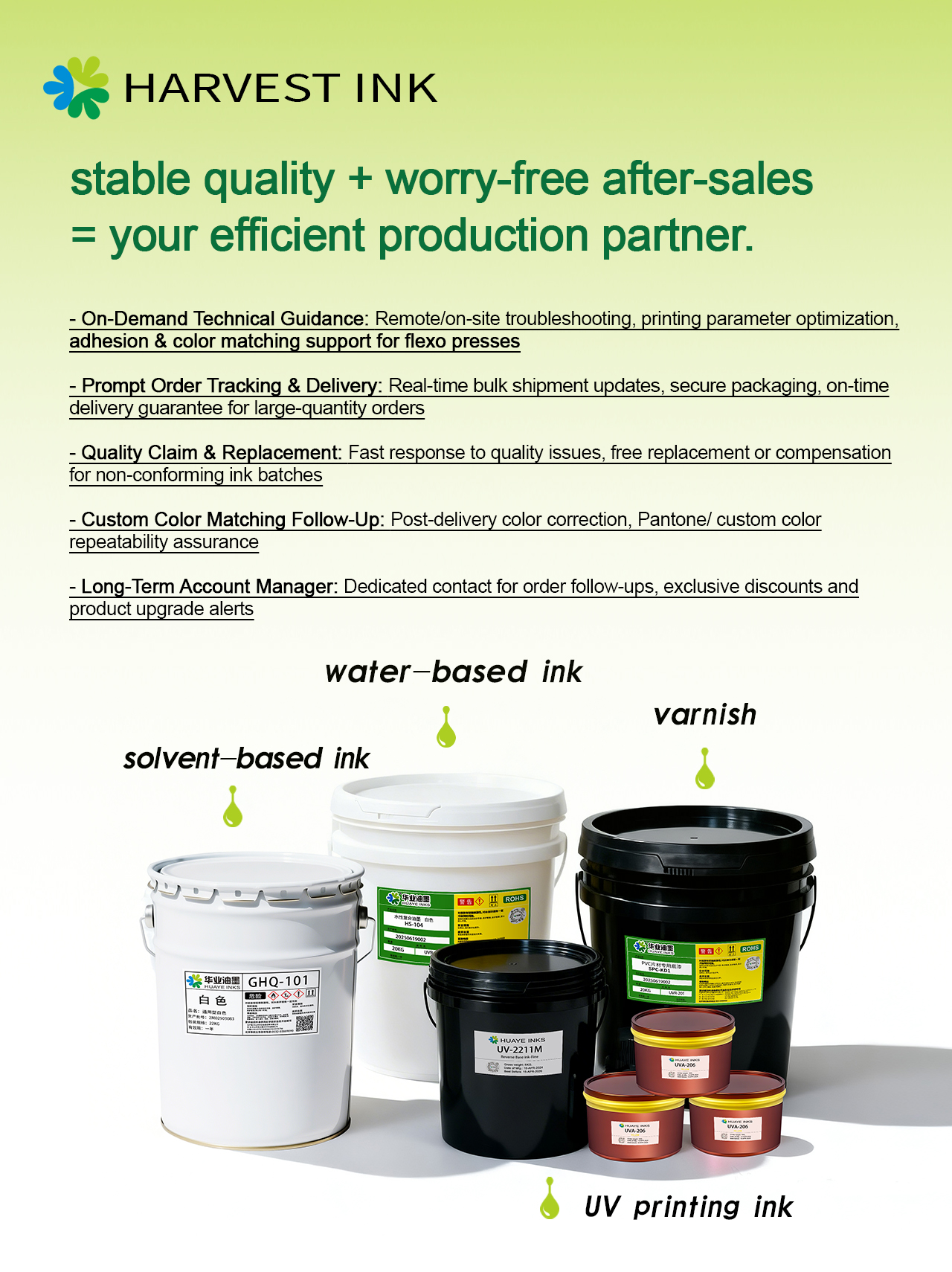
Technical Support & Print Troubleshooting for Flexographic Printing Inks
Real-Time Remote Diagnostics for Ink-Related Print Defects
Getting quick fixes going right away helps cut down on lost production whenever printing problems pop up. With secure video feeds and those IoT sensors hooked up everywhere now, techs can check out things like how thick the ink is, whether colors stay consistent throughout runs, and if stuff dries properly while actually watching what happens on the press floor. They spot common issues such as dot gain or ghost images much faster than before sometimes catching them within just a few minutes after they start showing up. According to industry reports, around two thirds of these ink troubles get sorted out before becoming major headaches for everyone involved. The operators themselves get instant advice through encrypted channels telling them exactly what adjustments need making which cuts down downtime significantly at most plants we've seen implementing this system regularly between roughly 15 percent all the way up to nearly half depending on specific conditions present during operation periods.
Root-Cause Analysis of Common Flexographic Printing Ink Failures
Persistent failures demand structured investigation beyond symptom treatment. Quality teams apply a four-phase root-cause protocol:
- Mapping failure patterns across substrates and press speeds
- Laboratory rheology testing under controlled environmental variables
- Microscopic evaluation of pigment dispersion stability
- Correlating wet-film thickness with adhesion performance
This methodology isolates underlying triggers—such as pH imbalance or substrate incompatibility. For instance, peeling linked to solvent retention often resolves through dynamic viscosity tuning, improving batch success rates by 25% in controlled case studies.
Batch Traceability and Compliance Documentation for Bulk Flexographic Printing Inks
Maintaining rigorous batch traceability and compliance documentation is essential for bulk flexographic printing ink orders—ensuring both operational continuity and regulatory adherence across global markets.
Instant Digital Access to Certificates of Analysis (CoA) and SDS
Many modern ink companies now offer online portals where customers can quickly get their hands on Certificates of Analysis (CoA) and Safety Data Sheets (SDS). These important papers check things like how thick the ink is (with about a 5% margin of error allowed), what percentage of pigment it contains, and those VOC levels everyone worries about. Having this info at their fingertips means technicians can fix problems much quicker and more accurately than before. The benefits are real too. According to a recent survey from the printing world in 2023, shops that had easy access to all their documentation saw a whopping 63% drop in downtime caused by compliance issues. That kind of efficiency makes a big difference in day to day operations.
Lot-to-Lot Consistency Reporting and Regulatory Compliance Support
Consistent ink performance requires proactive monitoring of batch variation against defined thresholds:
| Parameter | Acceptable Variance | Impact on Print Quality |
|---|---|---|
| Viscosity | ± 8% | Ink transfer uniformity |
| Color strength | ± 3 ΔE | Brand color accuracy |
| Drying time | ± 10% | Production line speed |
Automated reporting systems flag deviations exceeding these limits, while dedicated compliance teams support documentation for FDA 21 CFR, EU PIA, and REACH regulations. This dual approach helps avoid non-conformance penalties averaging $740k per incident for packaging violations, according to the Ponemon Institute (2023).
Dedicated Account Management and Proactive Service for High-Volume Flexographic Printing Ink Buyers
High-volume buyers require strategic partnerships—not transactional support. Dedicated account managers serve as single points of contact, deeply familiar with your production cycles, press configurations, and seasonal substrate shifts. This enables proactive inventory planning aligned with press schedules, preventing costly shortages and unplanned stoppages.
Instead of just fixing problems after they happen, printing companies now implement proactive strategies like tracking how ink thickness changes over time and regularly checking conditions inside the pressroom to keep things running smoothly. When these practices are put into place, most businesses see their waste drop somewhere between 15% and 23%. That's pretty significant when considering all the money saved on materials alone. Plus, workers can spot potential issues before they actually cause delays on the production floor. What used to be seen as simple purchasing becomes something much more valuable. Bulk buying of ink isn't just about getting good prices anymore it turns into a real edge for keeping those presses going without interruption day after day.
Response Assurance: SLAs, Escalation Paths, and Field Engineering for Flexographic Printing Inks
Tiered Support Tiers Based on Order Volume and Production Criticality
Big volume purchasers need support structures that match their urgent operational needs. For our platinum level clients who purchase more than 50k gallons each year, we guarantee a 15 minute response window when there are serious issues with ink systems. These top tier customers get round the clock access to field engineers and can escalate problems straight to senior technical staff if needed. Our gold tier customers buying between 10k and 50k gallons annually have a four hour response time during regular business hours. We also offer remote diagnostic capabilities to help troubleshoot problems without sending someone onsite right away. This tiered approach ensures everyone gets appropriate support based on their actual purchasing volumes and operational requirements.
The system focuses on allocating resources to those printing lines that are absolutely essential for operations, where every hour of downtime typically costs around $10,000. It helps make sure support gets where it needs to go first, and everyone knows they need to take responsibility for their part. When something really urgent comes up, the escalation process skips right over the first line of support staff, keeping things moving smoothly even during peak production times for packaging work. There are also penalties in place if service level agreements aren't met, which pushes teams to fix problems faster. These measures actually work pretty well at preventing major disruptions in the workflow throughout the facility.
FAQs
What is root-cause analysis in flexographic printing ink troubleshooting?
Root-cause analysis in flexographic printing ink troubleshooting involves identifying underlying factors causing print failures rather than merely addressing symptoms. It uses a structured approach that includes mapping failure patterns, laboratory testing, microscopic evaluation, and correlating film thickness with performance.
How does batch traceability improve production efficiency?
Batch traceability ensures operational continuity and adherence to regulatory standards, significantly reducing downtime caused by compliance issues and enhancing production efficiency.
Why is dedicated account management important for high-volume ink buyers?
Dedicated account management is crucial for high-volume ink buyers as it provides a strategic partnership, facilitating proactive inventory planning, preventing shortages, and aligning production schedules.
Table of Contents
- Technical Support & Print Troubleshooting for Flexographic Printing Inks
- Batch Traceability and Compliance Documentation for Bulk Flexographic Printing Inks
- Dedicated Account Management and Proactive Service for High-Volume Flexographic Printing Ink Buyers
- Response Assurance: SLAs, Escalation Paths, and Field Engineering for Flexographic Printing Inks
- FAQs