
 EN
EN
Why Low-VOC Ink for Baby and Maternal Products Is a Non-Negotiable Safety Requirement
Infant Physiology and Exposure Pathways: Why VOCs and Migrating Chemicals Pose Elevated Risk
Infants absorb chemicals at 10× the rate of adults due to underdeveloped detoxification systems and thinner skin (Ponemon Institute 2023). Their primary exposure pathways—oral contact, dermal absorption, and inhalation—amplify risks from migrating ink components:
- Oral contact: Chewing printed toys or bottle sleeves transfers heavy metals like lead
- Dermal absorption: Formaldehyde from dyes in printed apparel triggers rashes in 25% of newborns
- Inhalation: VOC off-gassing from packaging labels elevates maternal stress hormones by 18% (Journal of Pediatric Health 2024)
Regulatory Reality Check: CPSIA, EU EN71-3, FDA 21 CFR, and Food-Contact Compliance Gaps
While CPSIA restricts lead to ≤90 ppm in baby products, critical regulatory gaps persist:
| Regulation | Coverage | Key Limitation |
|---|---|---|
| FDA 21 CFR | Food containers | Excludes packaging inks |
| EU EN71-3 | Toy surface chemicals | No migration testing for textiles |
| Food-contact laws | Direct food exposure | Ignore volatile off-gassing |
This leaves 68% of printed baby items—including bottle sleeves and waterproof mattress covers—without validated migration controls for ink used in baby and maternal products, where solvents can seep into formula or bedding.
Top-Safe Ink Technologies for Baby and Maternal Products
Water-Based Inks: True Zero-VOC Formulations with Proven Migration Resistance
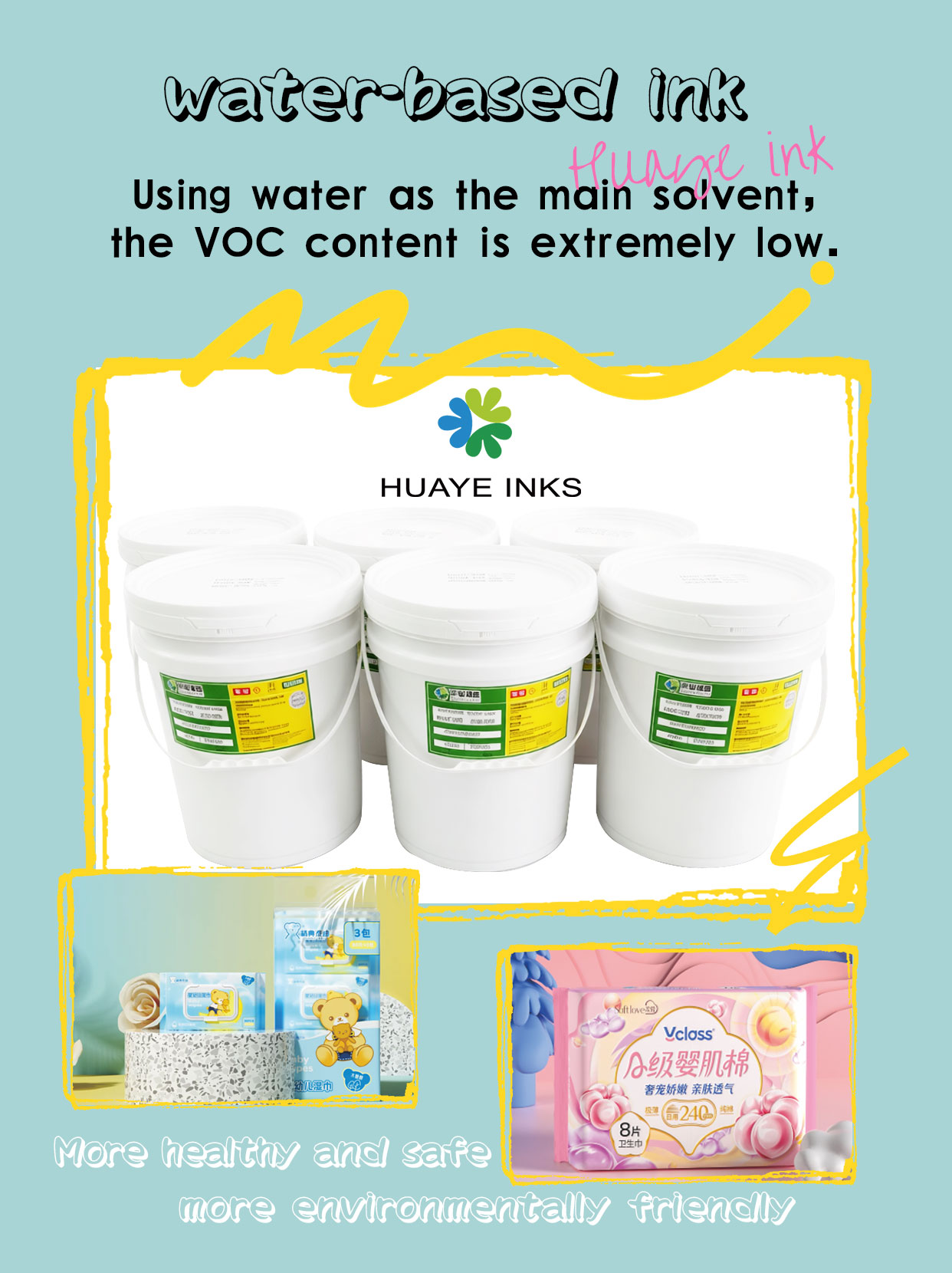
Water based inks get rid of those pesky volatile organic compounds completely since they use water instead of harsh solvents as their main component. These inks stick really well to things like cotton fabric, cardboard packaging, and various materials used in baby products. Plus, they don't release any harmful gases when applied to items such as baby swaddles, bottle nipples, or product labels. Independent lab tests have shown there's basically nothing detectable left of dangerous stuff like lead (way below the 90ppm limit), mercury, or chemicals that mess with hormones. This meets all the safety standards set by CPSIA and EU EN71-3 regulations. What makes them even better than traditional solvent based options? No risk of breathing in fumes, and they won't rub off easily if babies mouth toys or touch surfaces for long periods.
Low-Migration UV/LED Inks: Balancing Cure Efficiency and Residual Photoinitiator Safety
UV LED inks cure fast and last longer without needing solvents but their safety depends entirely on proper polymerization. If any photoinitiators remain uncured they can actually move into liquids or get onto peoples skin which is definitely not good. The top ink makers handle this problem by carefully controlling wavelengths and picking photoinitiators that dont migrate much, bringing down leftover material to under 0.1%. Once these inks are properly cured as confirmed by FTIR tests they slash VOC emissions by about 78% compared to regular solvent based products according to NSF research from 2023. Anyone working with stuff like bottle labels needs to check that everything is properly cured after printing because there's just no room for error in those situations.
Third-Party Certifications That Validate Ink for Baby and Maternal Products
MADE SAFE® and EWG Verified¢: Rigorous Screening for Endocrine Disruptors and Developmental Toxins
Certifications from independent sources offer something extra when it comes to product safety beyond what basic regulations demand. MADE SAFE checks each ingredient against over 25 different toxicity databases, and won't allow any ingredients known to mess with hormones, affect brain development in kids, or cause problems during pregnancy. The EWG Verified program goes another step by demanding complete openness about all ingredients used while specifically keeping out cancer-causing agents, substances harmful to reproduction, and those that build up in the body over time. What both programs have in common is they insist on lab tests done by outside experts looking for traces of heavy metals and leftover solvents. This kind of testing matters a lot because babies just can't process certain chemicals like phthalates or benzene properly, making these protections really important for infant products.
EPA Safer Choice and OEKO-TEX® STANDARD 100: What Each Certification Covers—and Where They Fall Short
The EPA's Safer Choice program does look at chemical dangers, though it allows products with up to 10% volatile organic compounds by weight. This might miss some breathing risks especially in small nursery areas where air doesn't circulate well. Then there's OEKO-TEX® STANDARD 100 which checks if textiles are safe for skin contact, but strangely skips testing for VOCs in printed packaging materials. They also don't check how chemicals might transfer when liquids come into contact with fabrics, nor do they screen for hormone disruptors outside what's required under EU regulations. Both programs fail to address residues left behind after UV curing processes. Real world tests show benzophenone derivatives can actually migrate at levels around 0.5 parts per million according to NSF findings from last year. Because of these limitations, companies need to go beyond standard certifications and conduct their own detailed migration studies focused on specific materials used in baby products to properly protect infants from potential exposure risks.
Beyond the Label: Mitigating Real-World Migration Risks in Baby Product Packaging
Case Evidence: Ink Migration from Printed Bottle Sleeves into Liquid Formula (NSF 2023 Study)
According to research published by NSF International in 2023, certain chemicals from those printed sleeve labels actually made their way into liquid formulas, even though the packaging passed both CPSIA and EN71-3 surface tests. Tests showed that phthalates along with leftover photoinitiators managed to seep through plastic materials during normal usage conditions. When temperatures fluctuated or items were stored for longer periods, this chemical transfer happened faster than expected. The World Health Organization reported back in 2023 that babies' bodies absorb these harmful substances at roughly triple the rate adults do, which means the health risks from accidental ingestion are much greater than what simple surface testing would indicate. That's exactly why relying solely on standard certifications doesn't cut it anymore. Manufacturers need to perform actual migration tests on all inks used in products meant for infants and mothers alike.
Best Practices: Substrate Selection, Curing Validation, and Post-Print Testing Protocols
A robust safety strategy requires three integrated layers:
- Substrate Selection: Functional barriers—such as metallized films or fluoropolymer coatings—reduce chemical permeation by 97% compared to standard polyethylene (Packaging Digest 2023)
- Curing Validation: Infrared spectroscopy verifies complete polymerization of UV/LED inks, ensuring residual photoinitiators remain below 0.01%
- Post-Print Testing: Simulate worst-case use with ethanol/water mixtures in migration cells at 40°C for 10 days—mirroring FDA accelerated aging protocols
Batch-specific VOC analysis via gas chromatography is also essential, as minor formulation changes can increase emissions by 15–40%. Together, these practices form a science-backed safety net that goes beyond regulatory minimums and certification checklists.
FAQ
What are Volatile Organic Compounds (VOCs) and why are they harmful in baby products?
VOCs are organic chemicals that have a high vapor pressure at room temperature, leading them to off-gas and potentially be inhaled. They can be harmful in baby products as they contribute to indoor air pollution and pose health risks such as respiratory issues and increased stress hormone levels in mothers.
Why is it important to choose low-VOC or VOC-free inks for baby products?
Infants have more sensitive systems and absorb chemicals at higher rates than adults. Choosing low-VOC or VOC-free inks minimizes exposure to harmful chemicals, reducing the risk of health issues related to inhalation, skin absorption, and oral contact.
How do water-based inks differ from solvent-based inks in terms of safety?
Water-based inks use water as a primary solvent, eliminating VOC emissions entirely. They adhere well without releasing harmful gases or compromising safety standards, making them a safer option compared to solvent-based inks which may off-gas toxic substances.
What third-party certifications can parents look for to ensure the safety of baby product inks?
Parents can look for certifications such as MADE SAFE® and EWG Verified™, which rigorously screen for toxins and require transparency in ingredients. Other certifications like EPA Safer Choice and OEKO-TEX® STANDARD 100 also indicate certain safety measures, although they may not cover all risks related to VOCs and endocrine disruptors.
Table of Contents
- Why Low-VOC Ink for Baby and Maternal Products Is a Non-Negotiable Safety Requirement
- Top-Safe Ink Technologies for Baby and Maternal Products
- Third-Party Certifications That Validate Ink for Baby and Maternal Products
- Beyond the Label: Mitigating Real-World Migration Risks in Baby Product Packaging