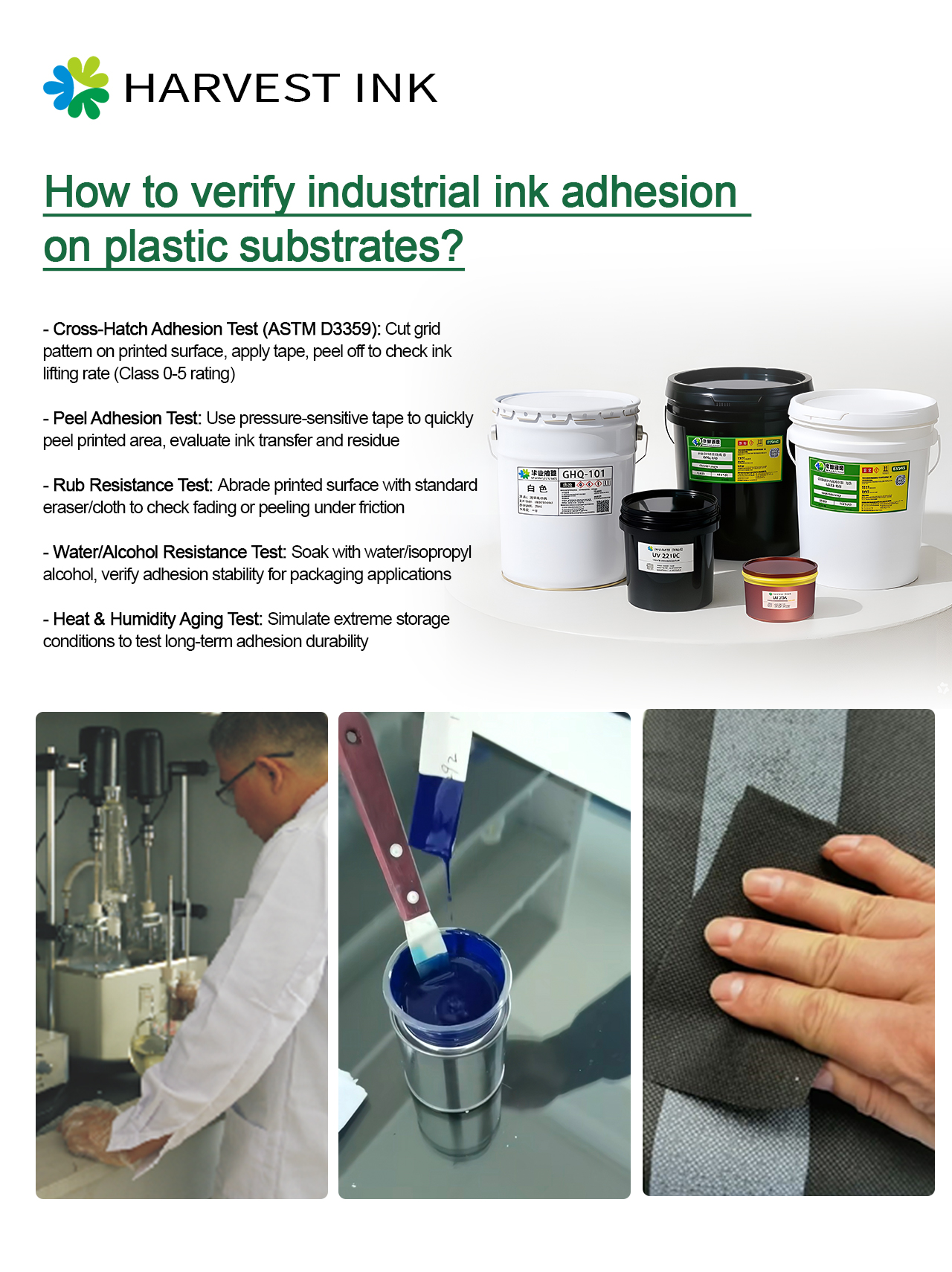
Une mauvaise adhérence de l’encre sur les films plastiques (PET, BOPP, PE, PVC) altère la qualité des impressions, entraîne des rejets et retarde la production — tester correctement l’adhérence est une exigence absolue dans l’impression industrielle. Vous vous demandez quelles sont les méthodes normalisées et fiables pour évaluer la liaison de l’encre…
Voir plus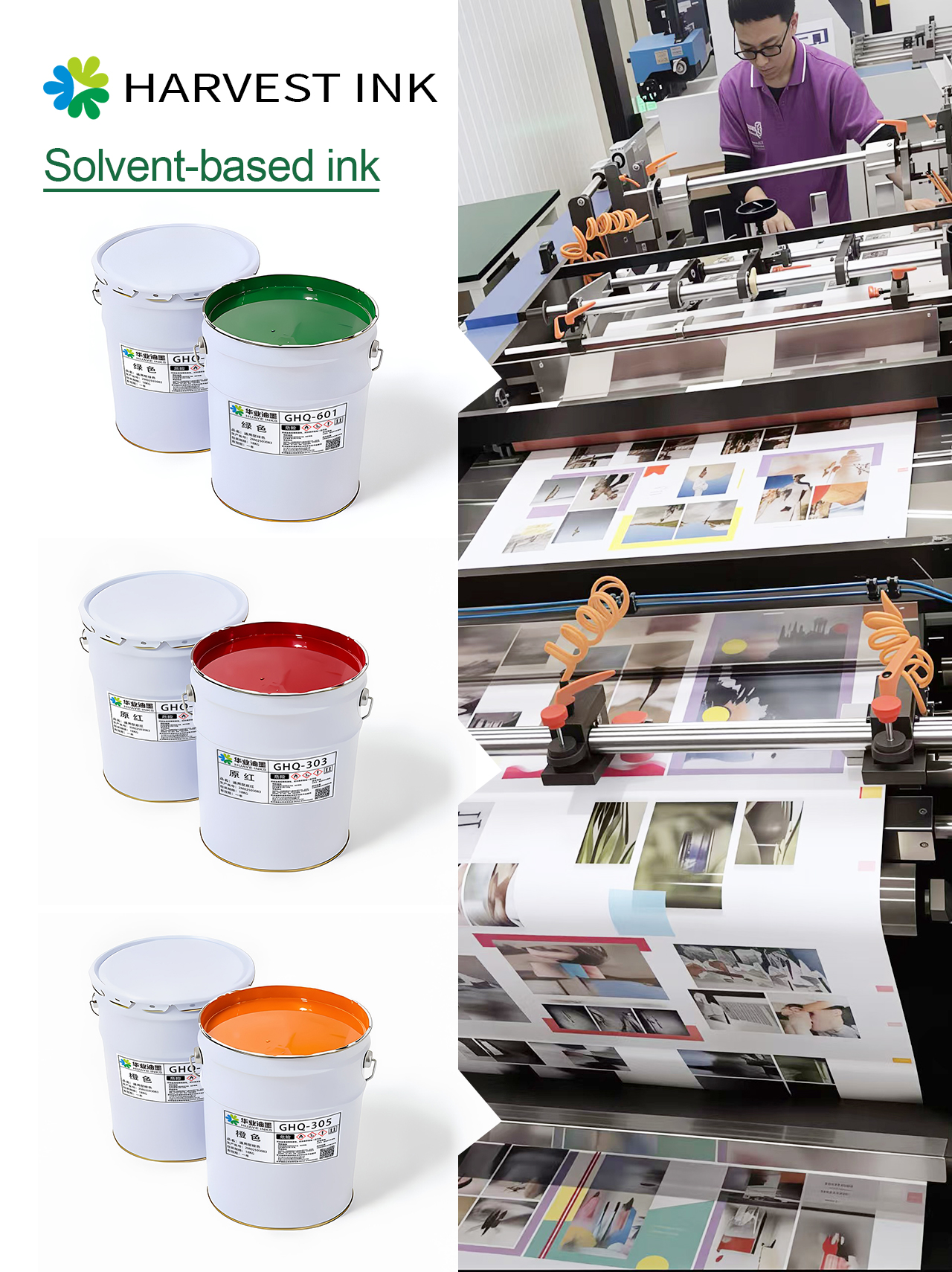
Les rotatives gravure destinées à l’édition à grande vitesse exigent des solvants qui allient séchage rapide, viscosité stable, faible teneur en COV et qualité d’impression nette — sans bavures, sans gain de point et sans arrêt de production. Vous éprouvez des difficultés à choisir le mélange de solvants adapté aux presses à grande vitesse (300 m/min…) ?
Voir plus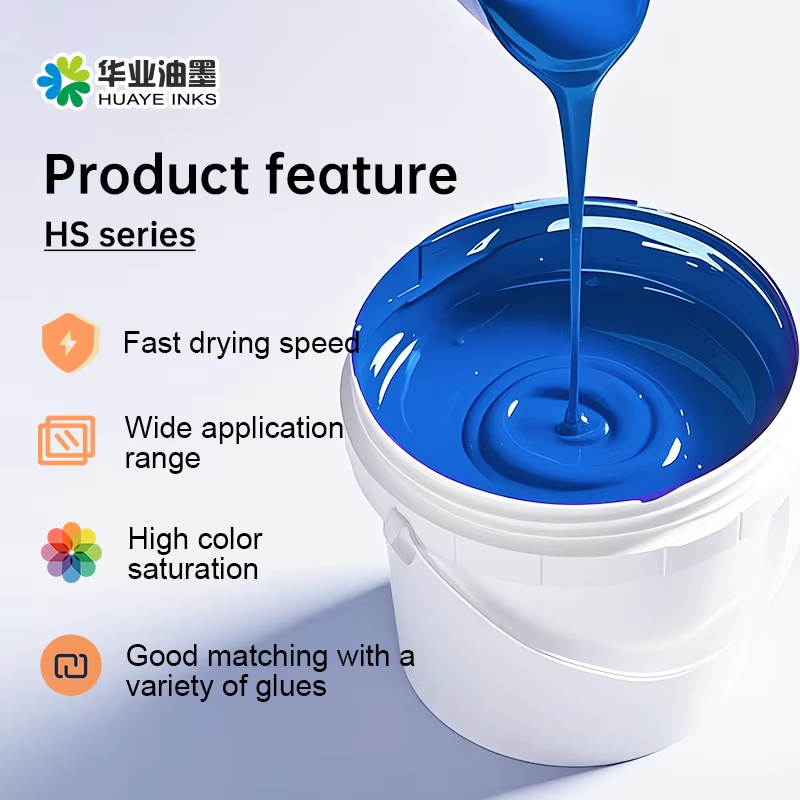
Pourquoi le développement d’encres aqueuses sur mesure prend-il plus de temps que les formulations standard ? Le compromis fondamental : précision des performances contre délai de mise sur le marché. Les formulations d’encres aqueuses sur mesure nécessitent un réglage précis pour répondre aux applications exigeantes — telles que l’impression flexographique…
Voir plus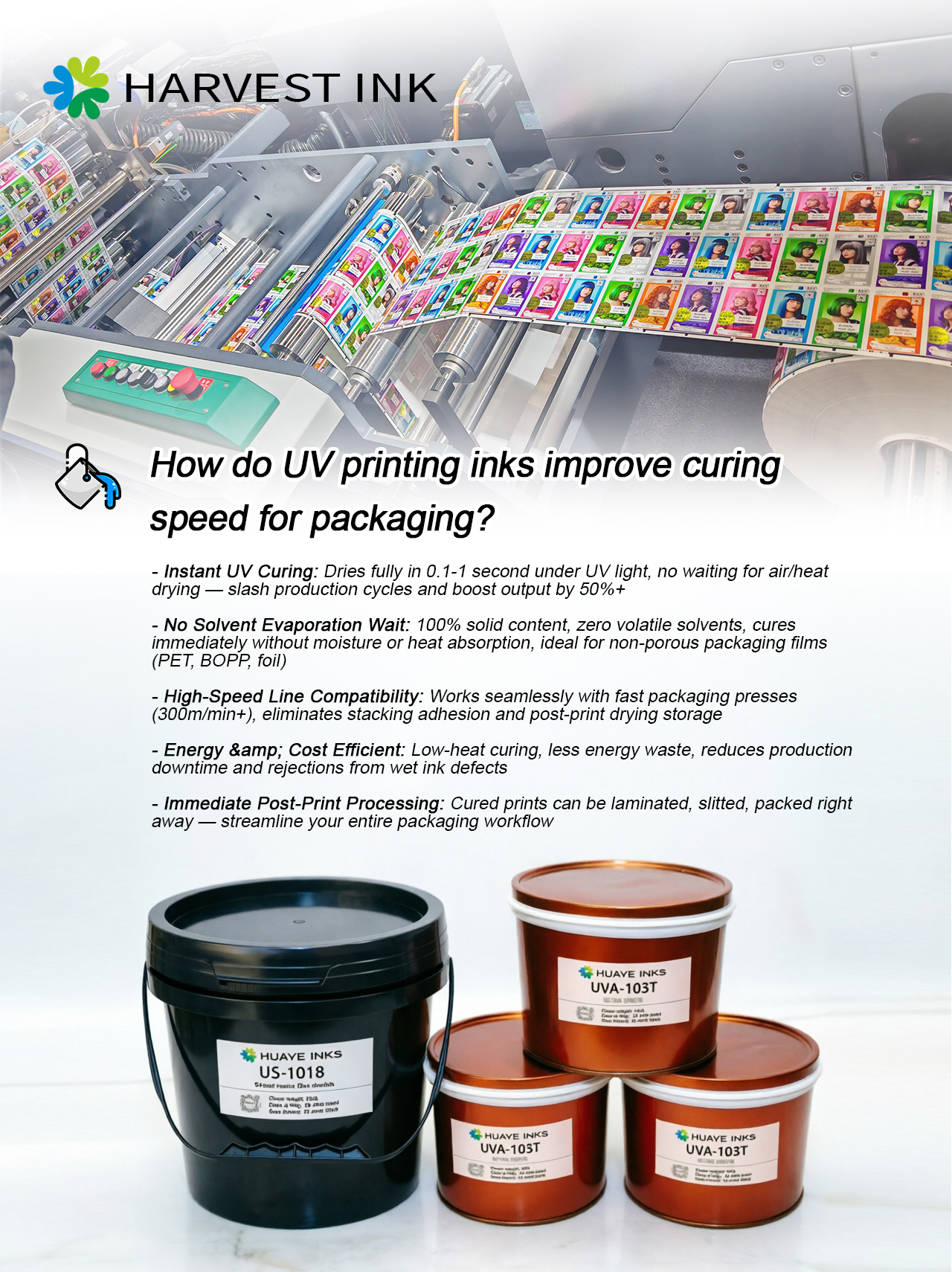
Las de temps de séchage longs, de goulots d’étranglement en production et d’impressions d’emballages bavées ? Les encres d’impression UV constituent la solution révolutionnaire pour les lignes d’emballage à grande vitesse, offrant un durcissement instantané et une efficacité inégalée. Voici comment les encres UV transforment le procédé de durcissement…
Voir plus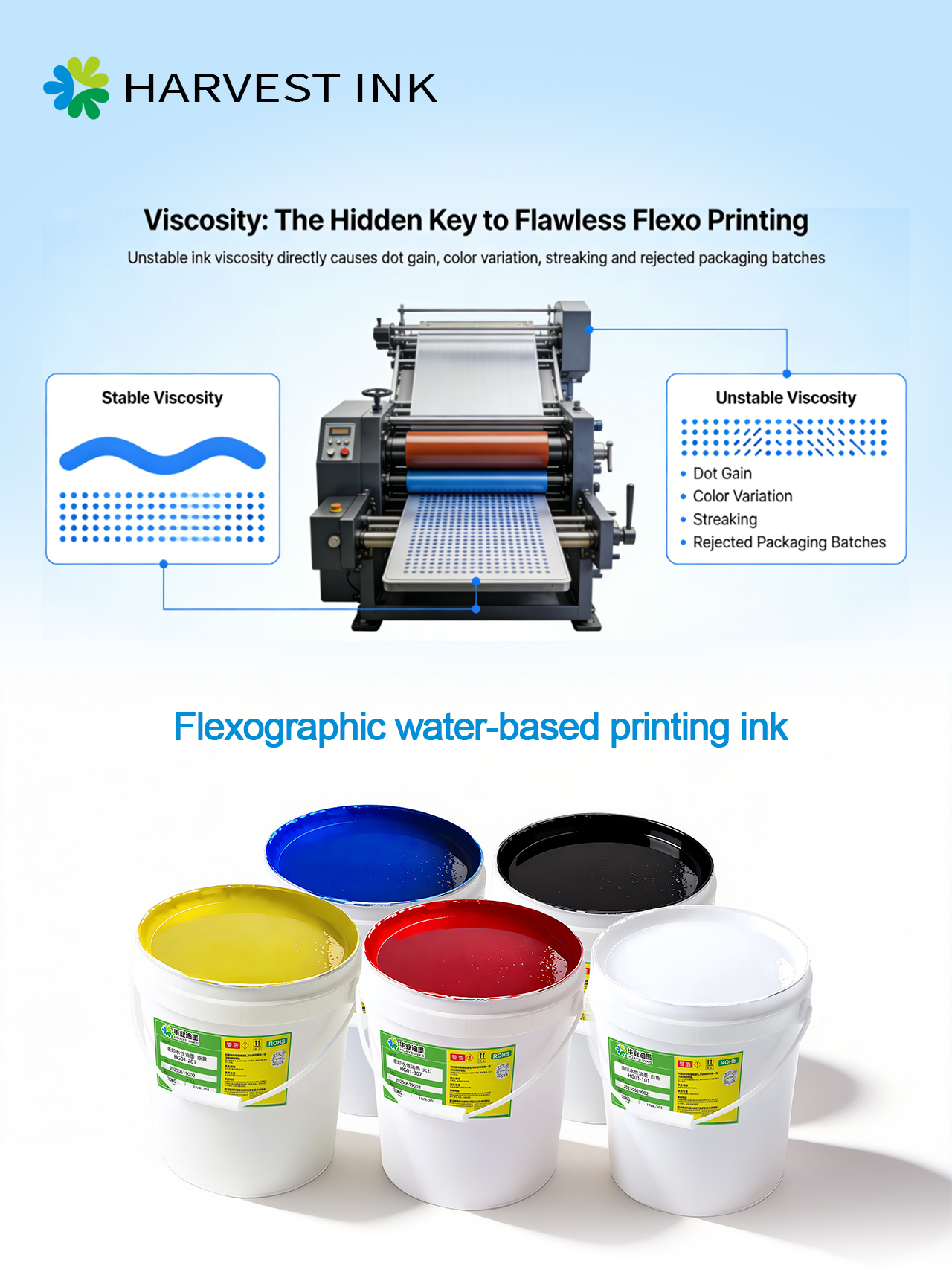
La viscosité est la clé cachée d’une impression flexographique parfaite : une viscosité d’encre instable provoque directement l’augmentation des points, les variations de couleur, les stries et le rejet de lots d’emballages. Vous vous demandez quelle est la plage de viscosité idéale pour obtenir des résultats d’impression fiables et constants ? He...
Voir plus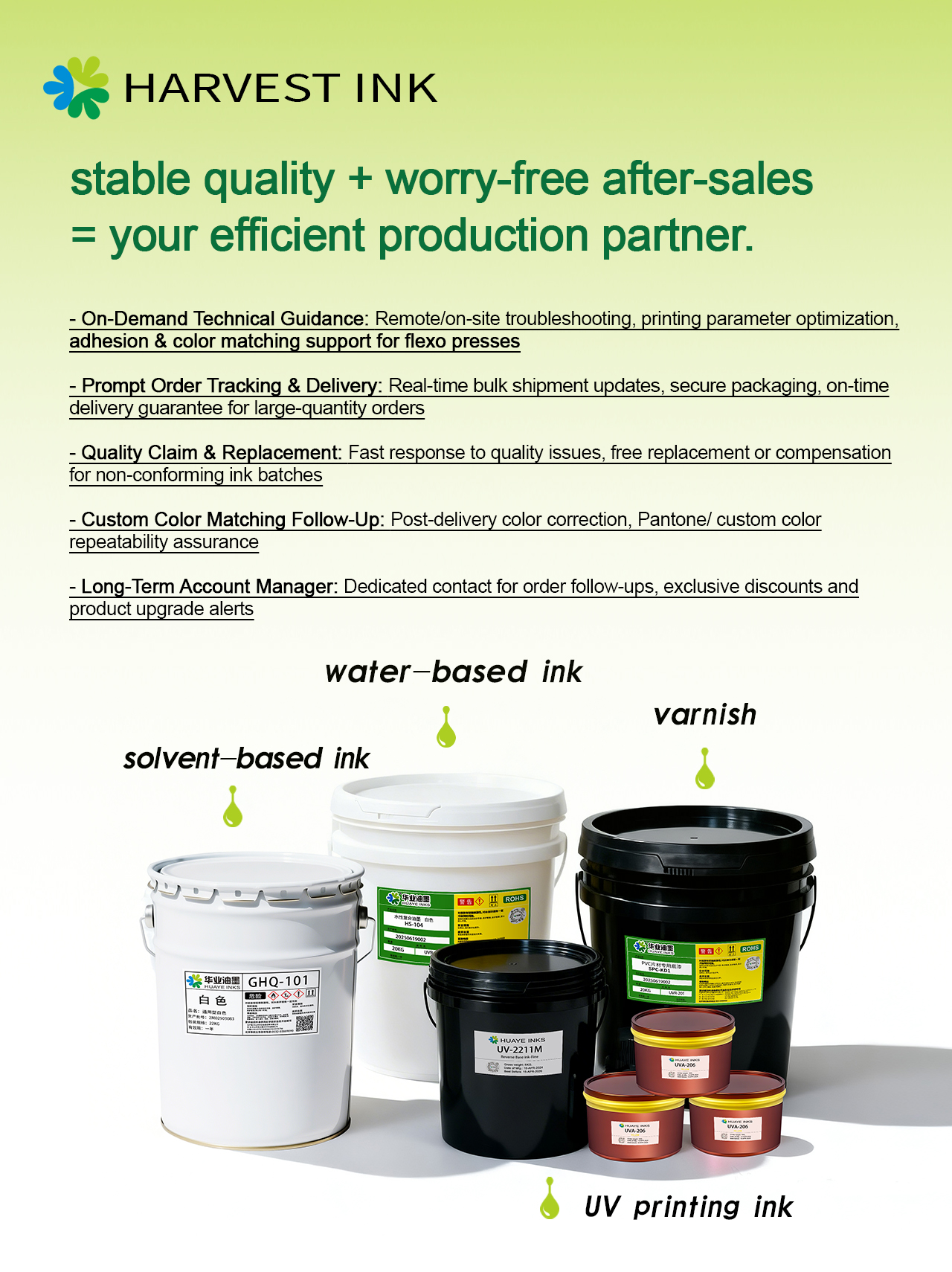
Support technique et dépannage d’impression pour les encres flexographiques — Diagnostic à distance en temps réel des défauts d’impression liés à l’encre. Obtenir des solutions rapides immédiatement permet de réduire les pertes de production chaque fois que des problèmes d’impression surviennent. Avec une connexion sécurisée…
Voir plus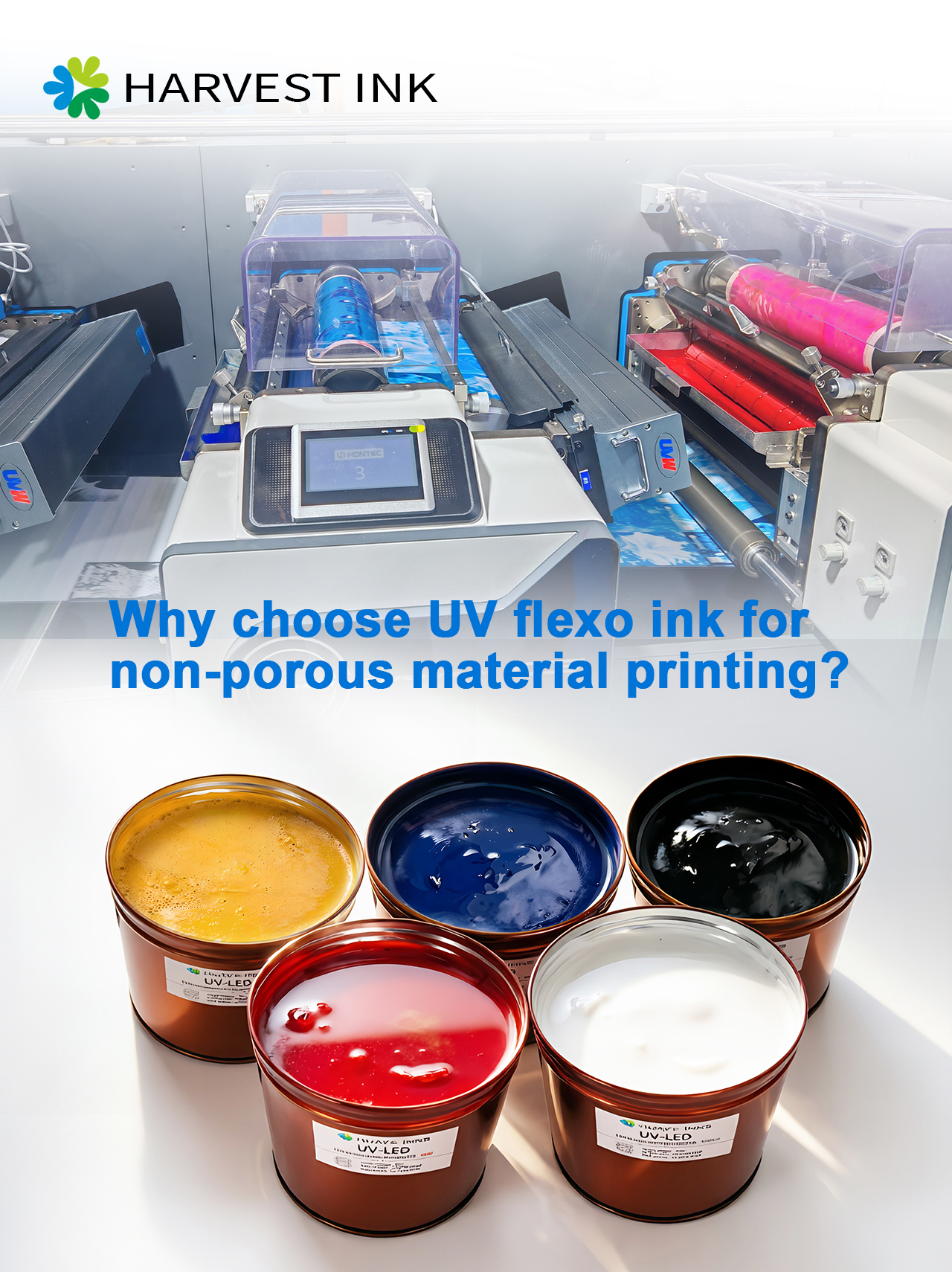
Les substrats non poreux (films plastiques, feuilles d’aluminium, PET, BOPP, PE) nécessitent une encre qui adhère bien, durcit rapidement et assure une performance durable à long terme — l’encre flexo UV répond à tous ces critères pour l’impression moderne. Fatigué(e) de l’adhérence médiocre, du séchage lent, des émissions élevées de COV et des pertes de stock sur supports non poreux…
Voir plus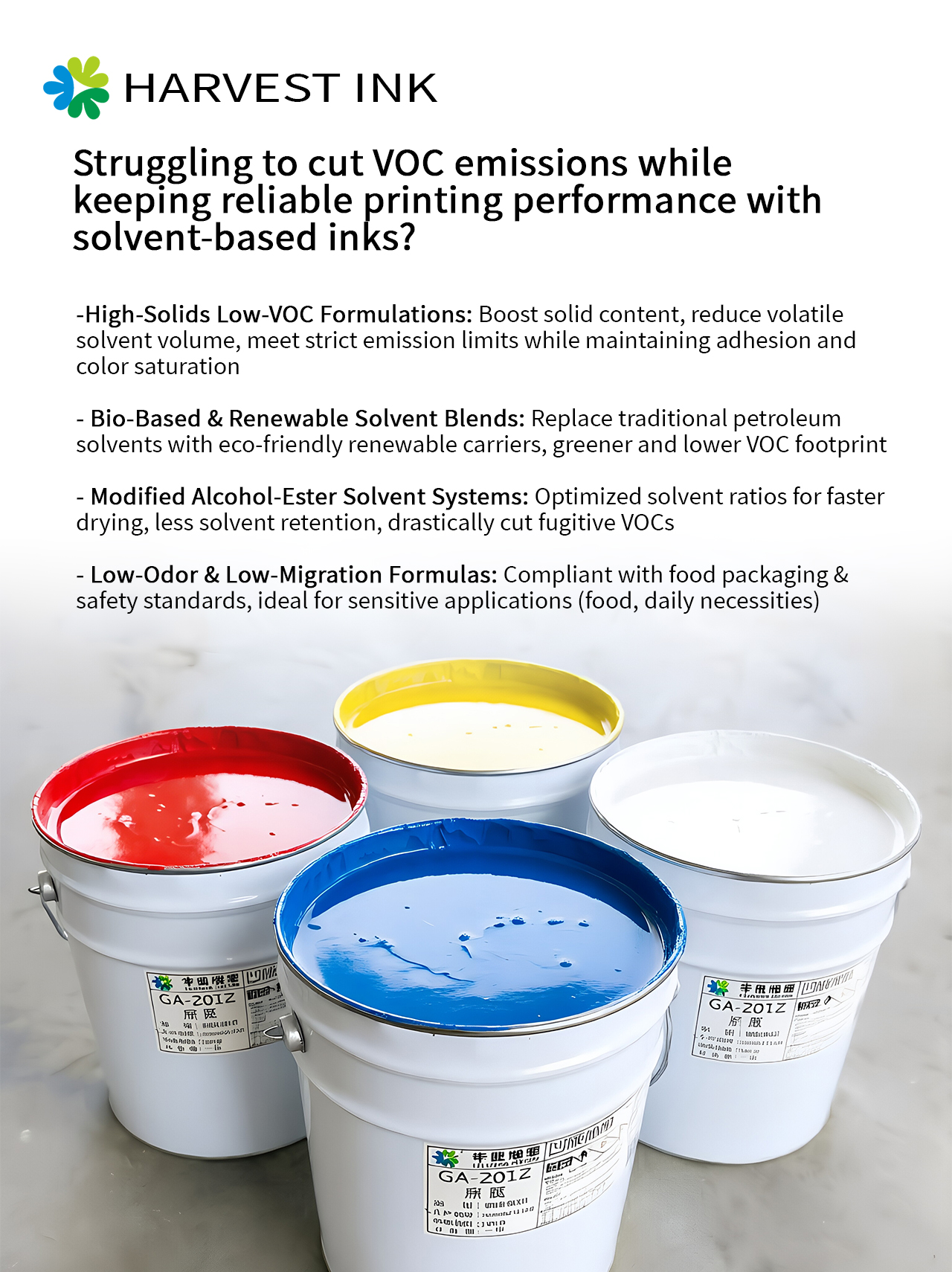
Vous avez du mal à réduire les émissions de COV tout en conservant des performances d’impression fiables avec des encres solvantées ? Vous n’êtes pas seul(e) : les réglementations environnementales mondiales et les objectifs de développement durable poussent l’industrie des encres à innover. Pour l’emballage souple…
Voir plus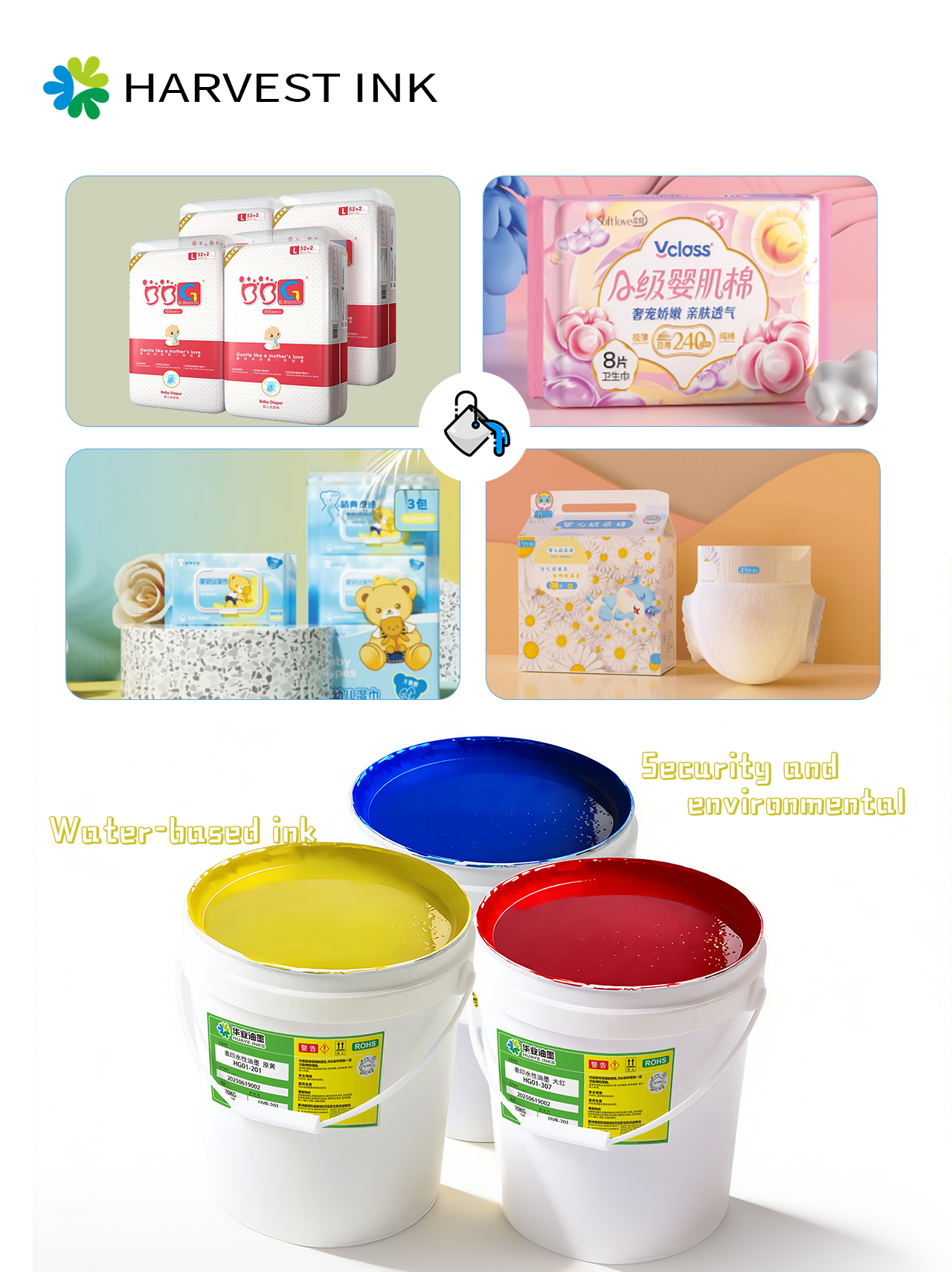
La sécurité est une exigence absolue pour les emballages destinés aux bébés et aux tout-petits — et les bonnes certifications des encres font toute la différence. Vous vous demandez quels sont les standards mondiaux que vos encres d’emballage doivent respecter pour accéder aux marchés des produits de soins pour bébés, des aliments infantiles, des emballages de jouets et des fournitures pour nurseries…
Voir plus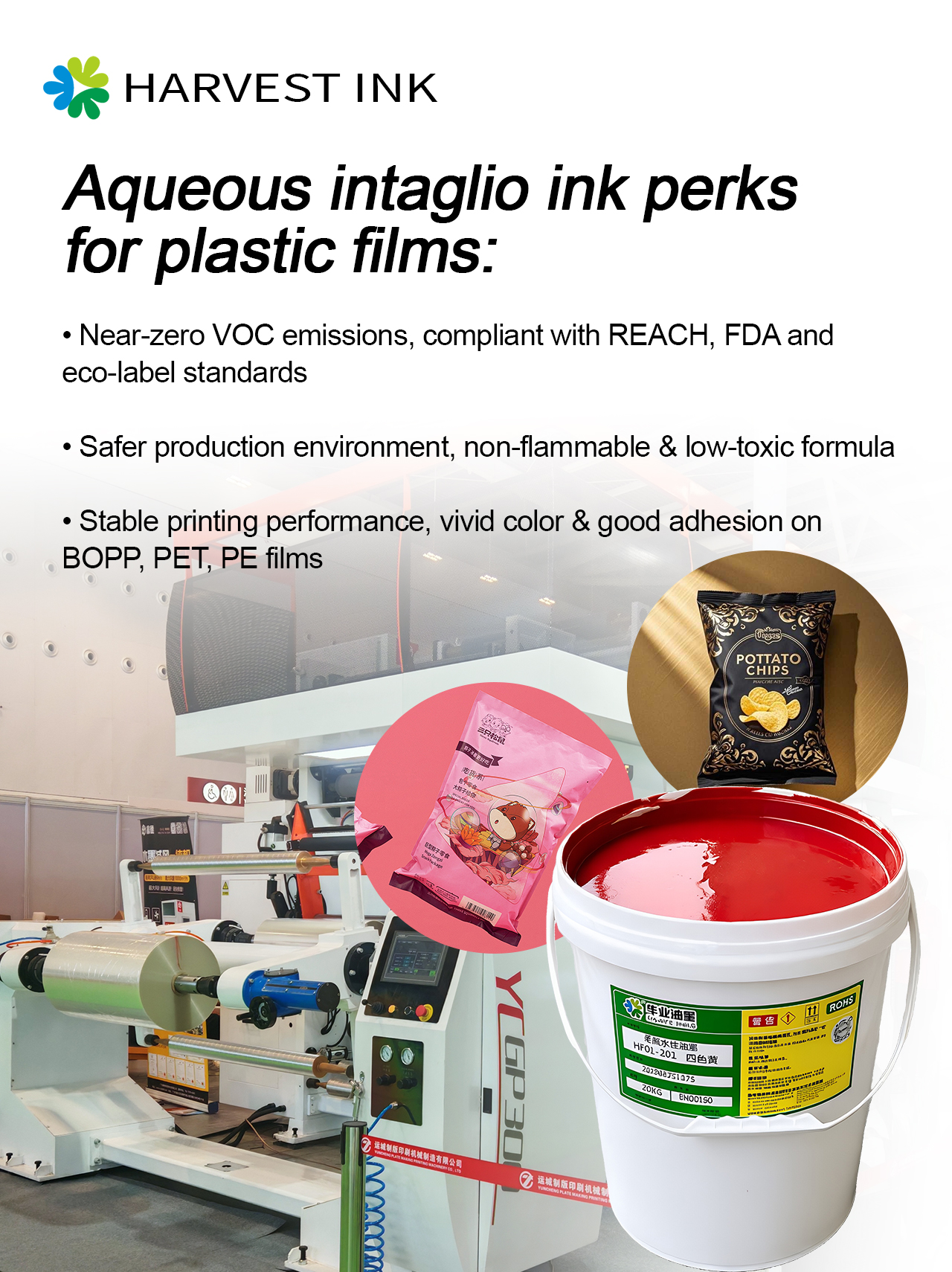
Sujet brûlant dans l’impression d’emballages souples : l’encre intaglio à base d’eau peut-elle pleinement remplacer l’encre à base de solvant pour les applications sur films plastiques ? Depuis des années, les encres à base de solvant ont dominé l’impression gravure sur films plastiques grâce à leur séchage rapide et à leur forte adhérence. B…
Voir plus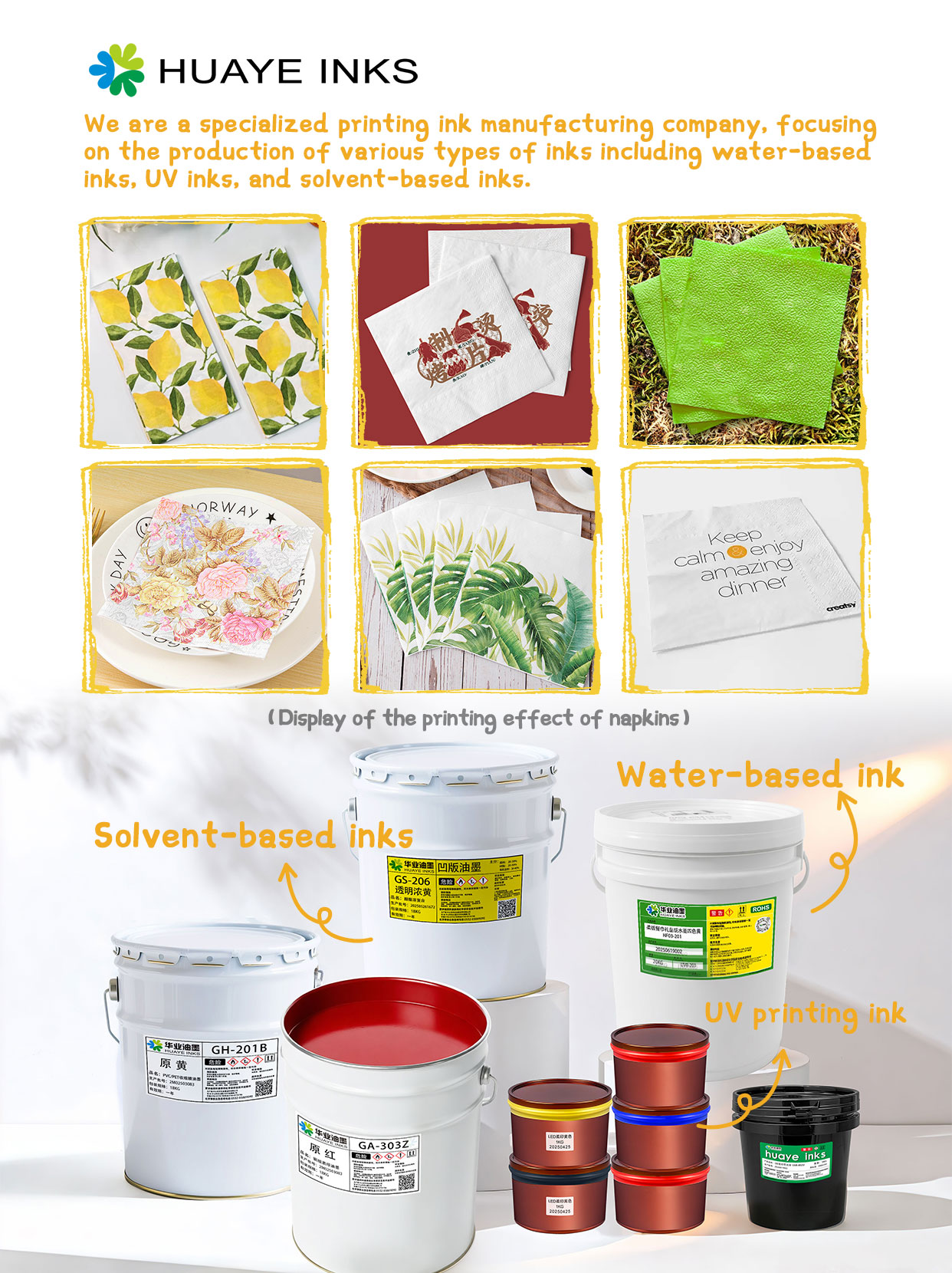
Pourquoi les encres flexographiques à base d'eau sont-elles idéales pour les applications sur serviettes en papier ? Sécurité, conformité aux normes de contact alimentaire et alignement réglementaire pour les serviettes en papier jetables. Dans la production de serviettes en papier, les encres d'impression flexographique à base d'eau sont devenues la norme dans le secteur...
Voir plus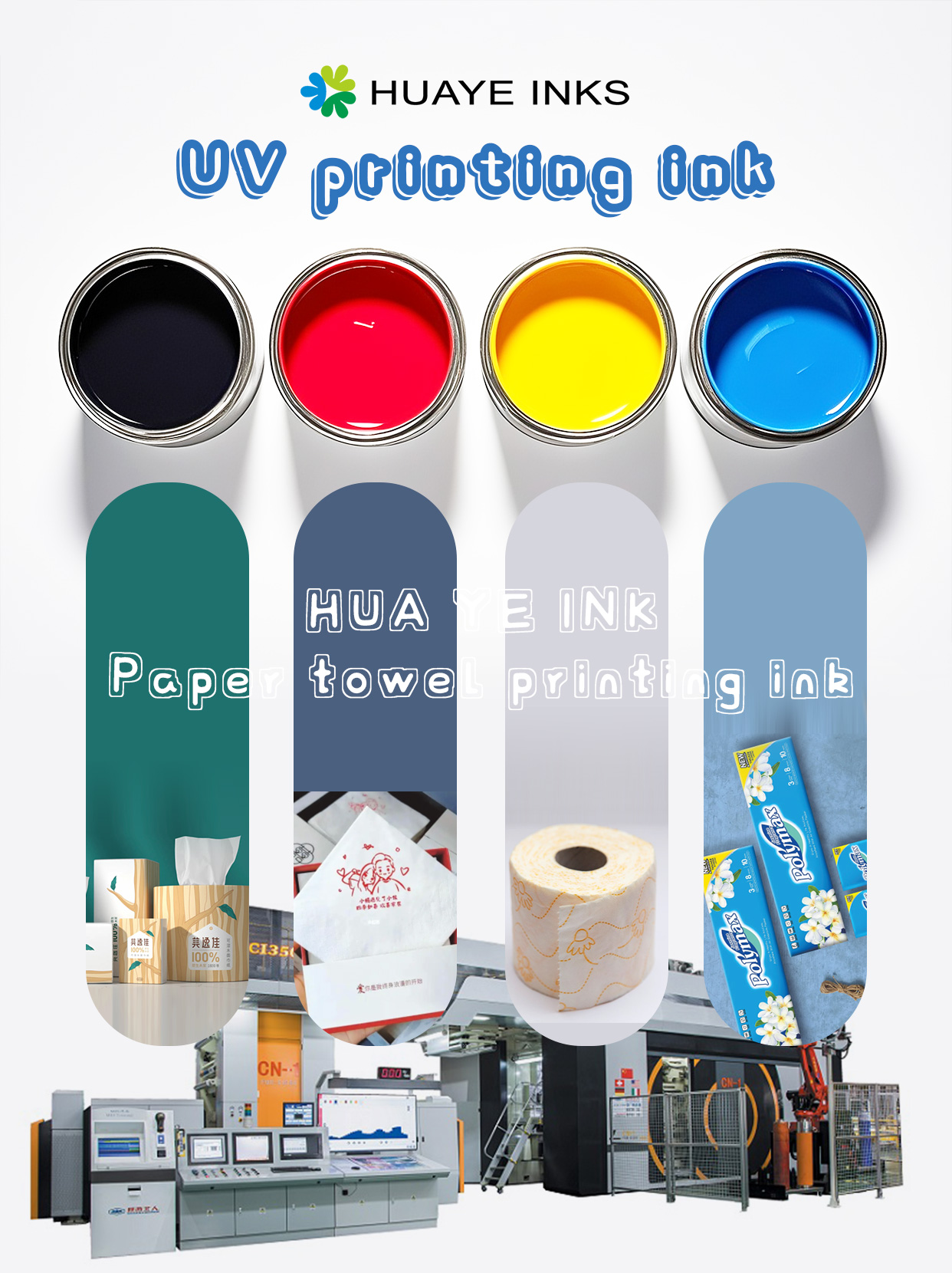
Pourquoi l’encre d’impression UV standard échoue sur les essuie-tout. Le paradoxe de la porosité : comment l’absorption capillaire rapide compromet la polymérisation en surface. La fabrication des essuie-tout, avec leurs fibres de cellulose lâches, leur confère une porosité remarquable, ce qui signifie qu’ils absorbent rapidement ce...
Voir plus
Nous sommes un fabricant professionnel d'encre d'imprimerie spécialisée dans les encres à base d'eau, UV et au solvant. Service OEM&ODM, livraison rapide.
Rue Jieqing n°2, parc industriel Shazai, Minzhong Zhongshan, province du Guangdong
Droits d'auteur © 2025 par HUAYE INK&PAINT CO.,LTD Politique de confidentialité

 EN
EN