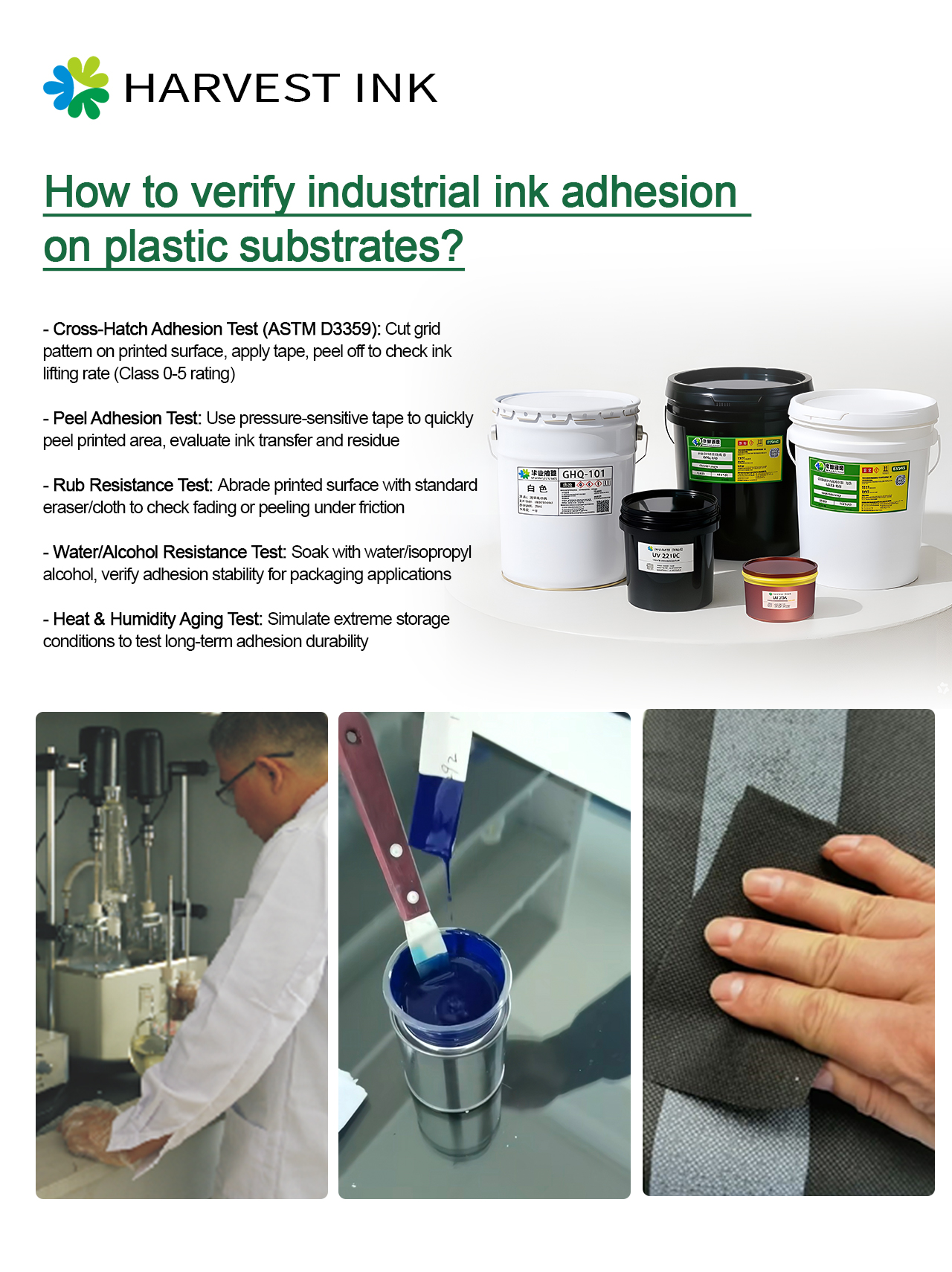
Poor ink adhesion on plastic films (PET, BOPP, PE, PVC) ruins prints, causes rejections and delays production — testing adhesion correctly is non-negotiable for industrial printing.Wondering the standard, reliable methods to test ink bonding ...
VIEW MORE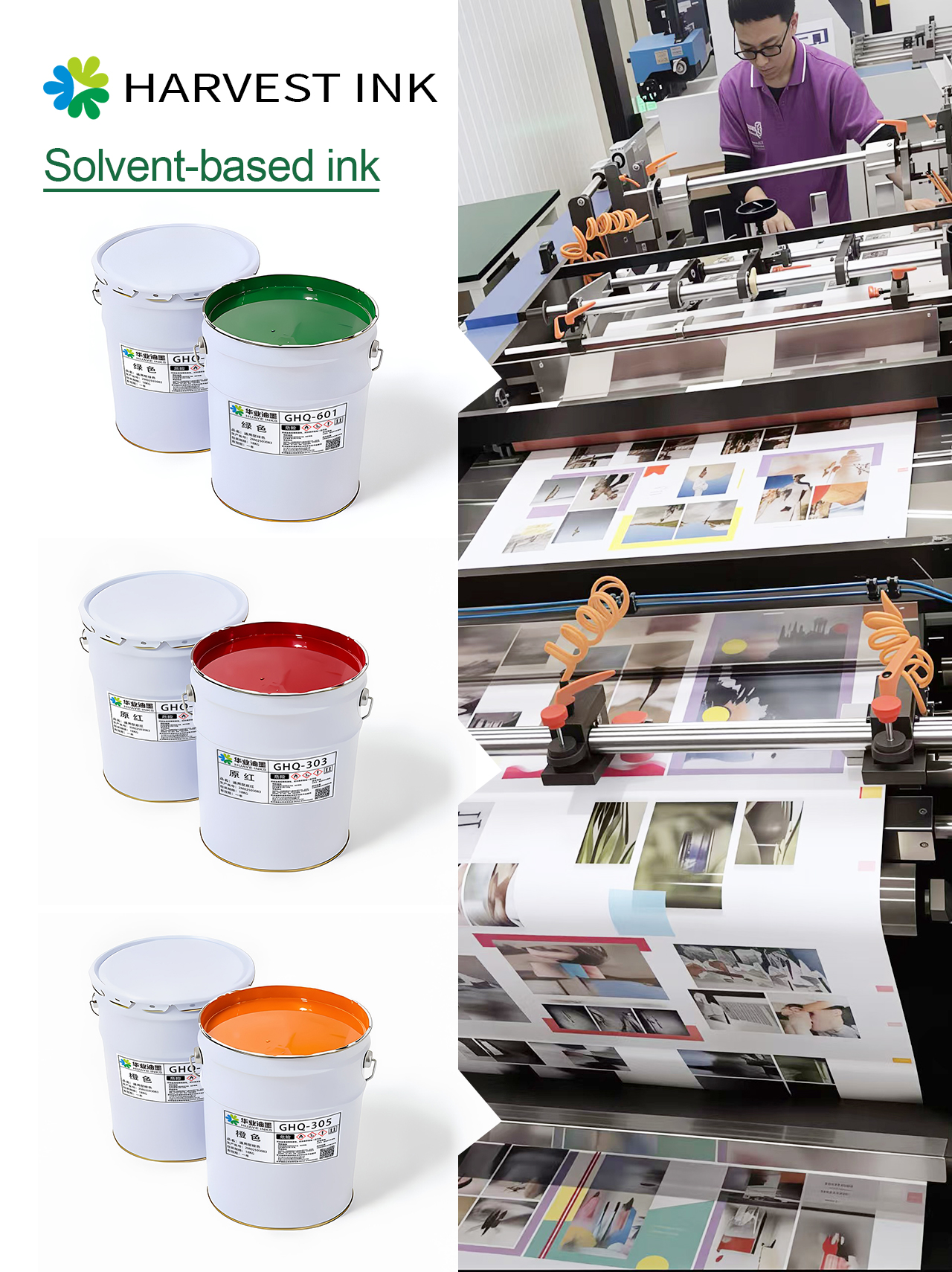
High-speed publication gravure runs demand solvents that balance fast drying, stable viscosity, low VOCs and sharp print quality — no smudging, no dot gain, no downtime.Struggling to pick the right solvent blend for high-speed presses (300m/m...
VIEW MORE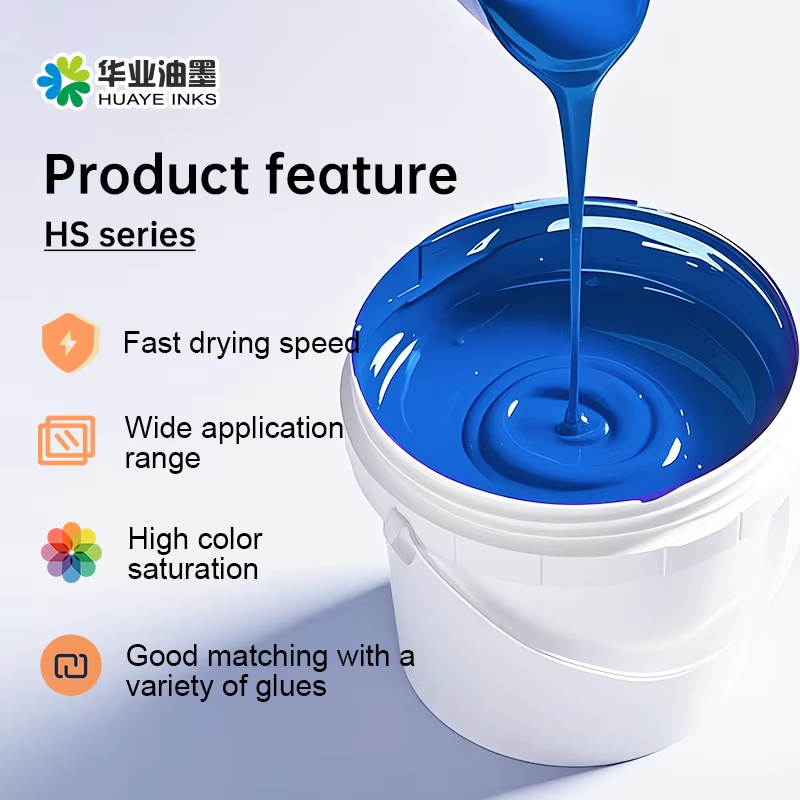
Why Custom Waterbased Ink Development Takes Longer Than Standard FormulationsThe Core Trade-Off: Performance Precision vs. Time-to-MarketCustom waterbased ink formulations require precise tuning for demanding applications—such as flexographic printin...
VIEW MORE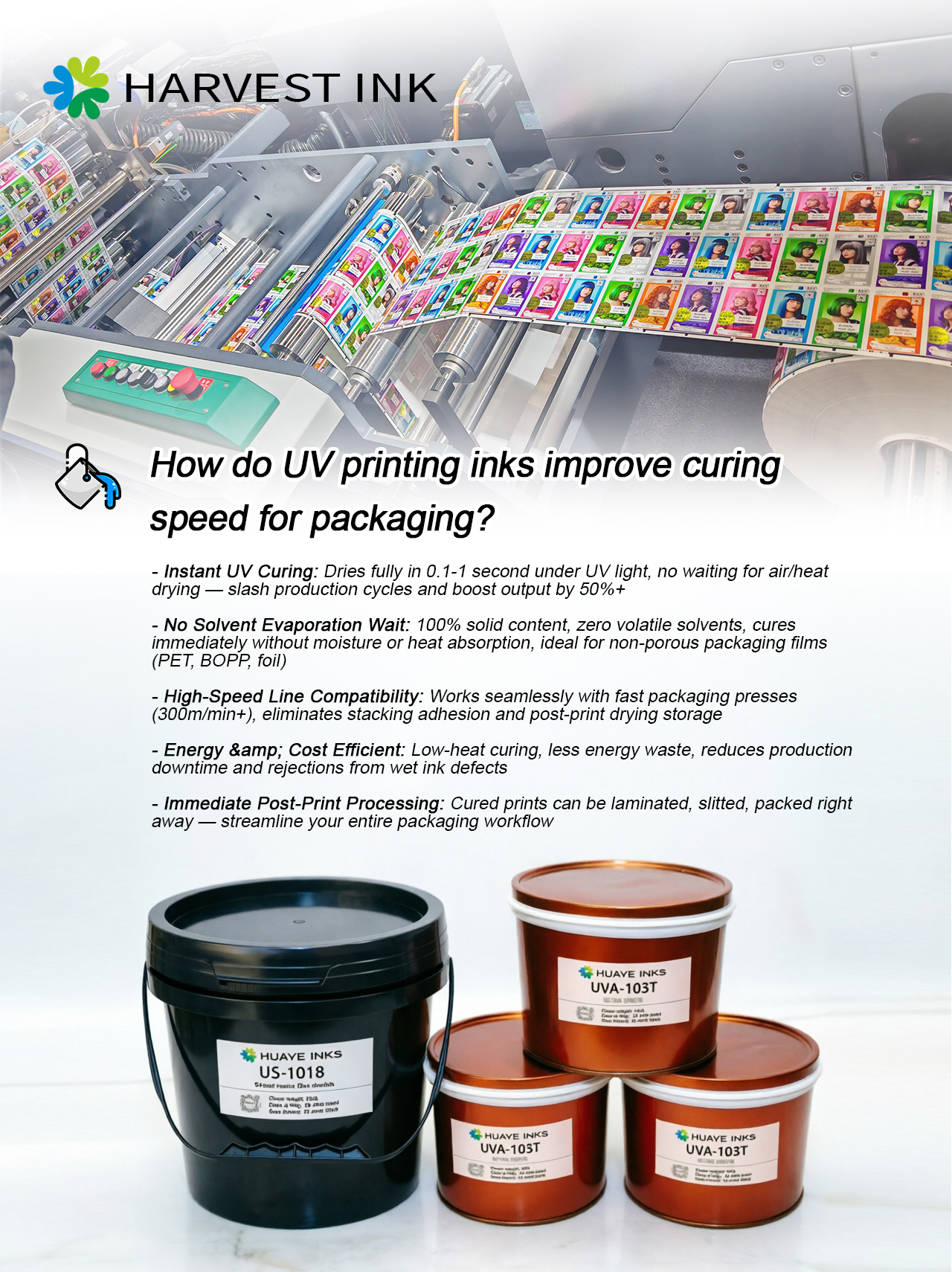
Tired of slow drying times, production bottlenecks and smudged packaging prints? UV printing inks are the game-changer for high-speed packaging lines, delivering instant curing and unmatched efficiency.Here’s how UV inks revolutionize curing ...
VIEW MORE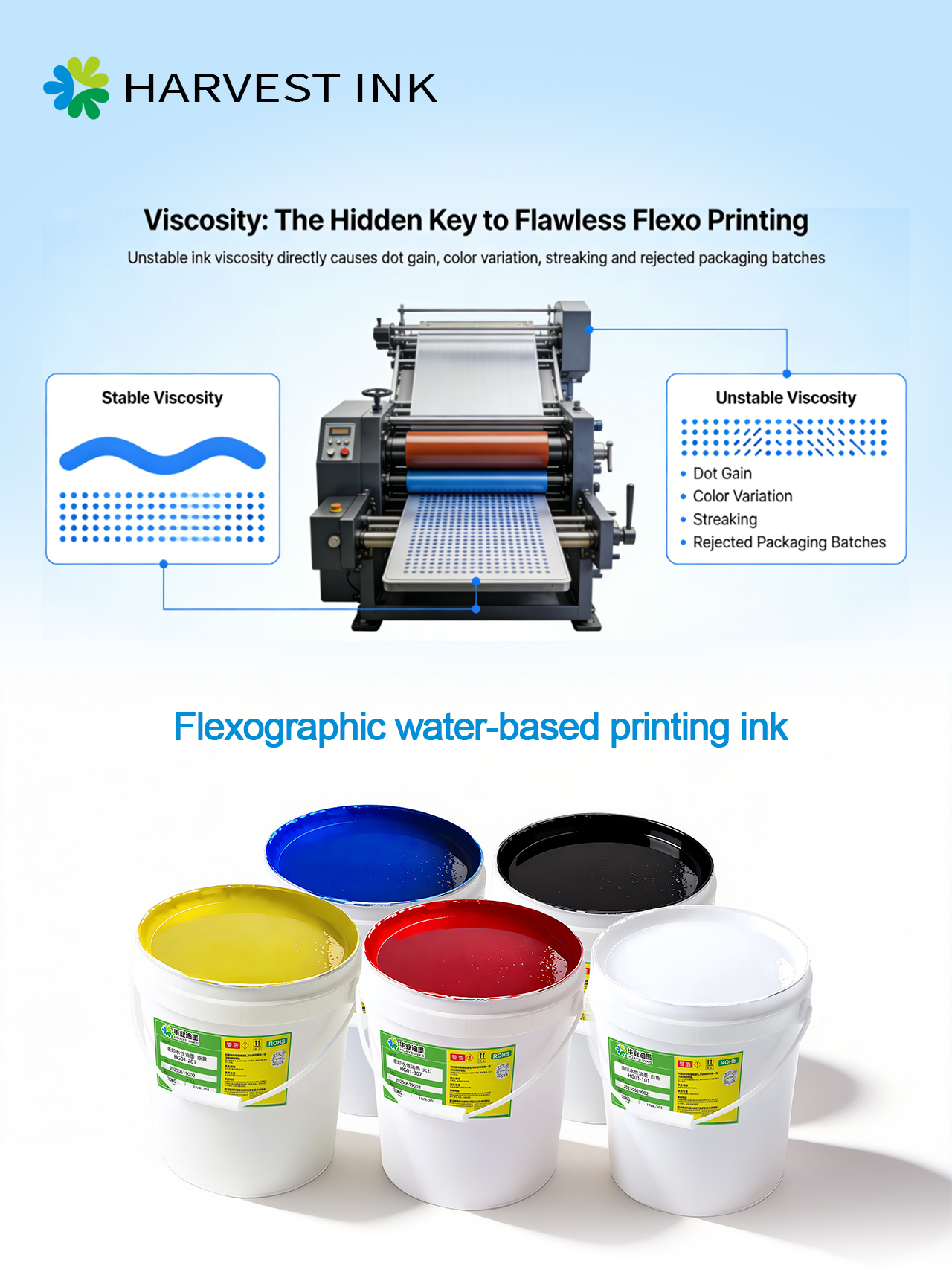
Viscosity is the hidden key to flawless flexo printing — unstable ink viscosity directly causes dot gain, color variation, streaking and rejected packaging batches.Wondering the ideal viscosity range for reliable, consistent print results? He...
VIEW MORE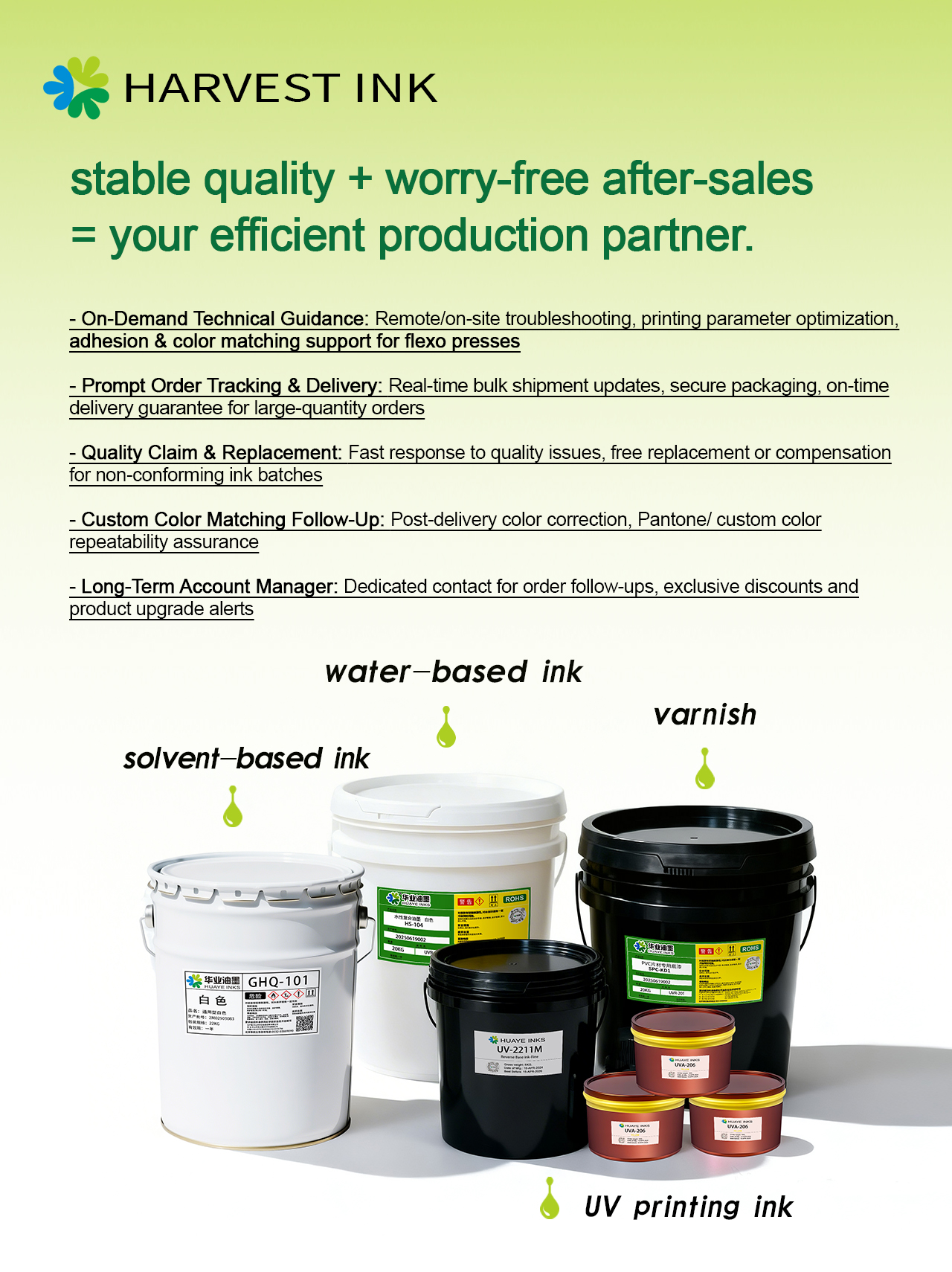
Technical Support & Print Troubleshooting for Flexographic Printing Inks Real-Time Remote Diagnostics for Ink-Related Print Defects Getting quick fixes going right away helps cut down on lost production whenever printing problems pop up. With secure...
VIEW MORE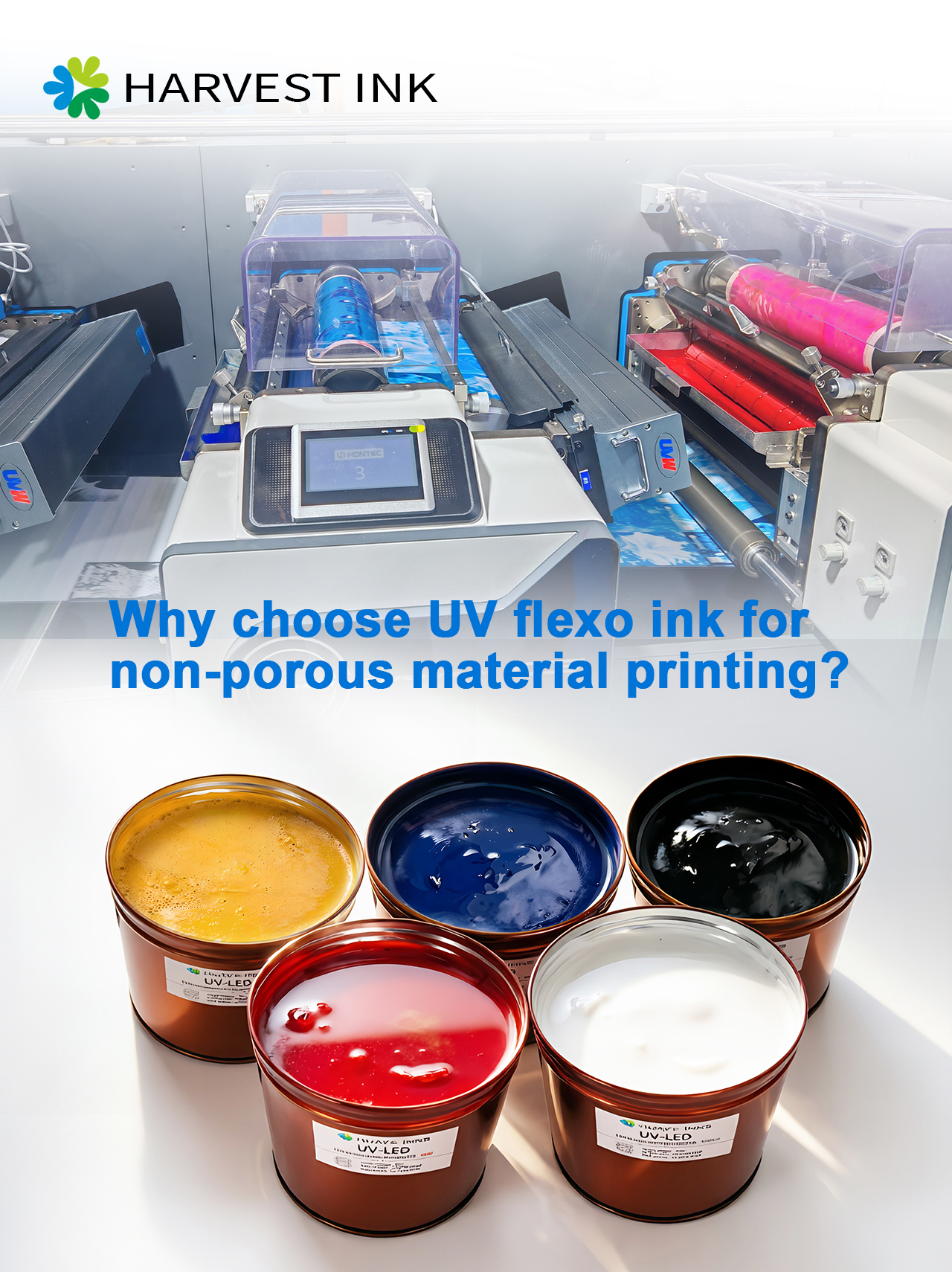
Non-porous substrates (plastic films, foil, PET, BOPP, PE) need ink that sticks, cures fast and performs long-term—UV flexo ink checks every box for modern printing. Tired of poor adhesion, slow drying, high VOCs and wasted stock on non-porous ...
VIEW MORE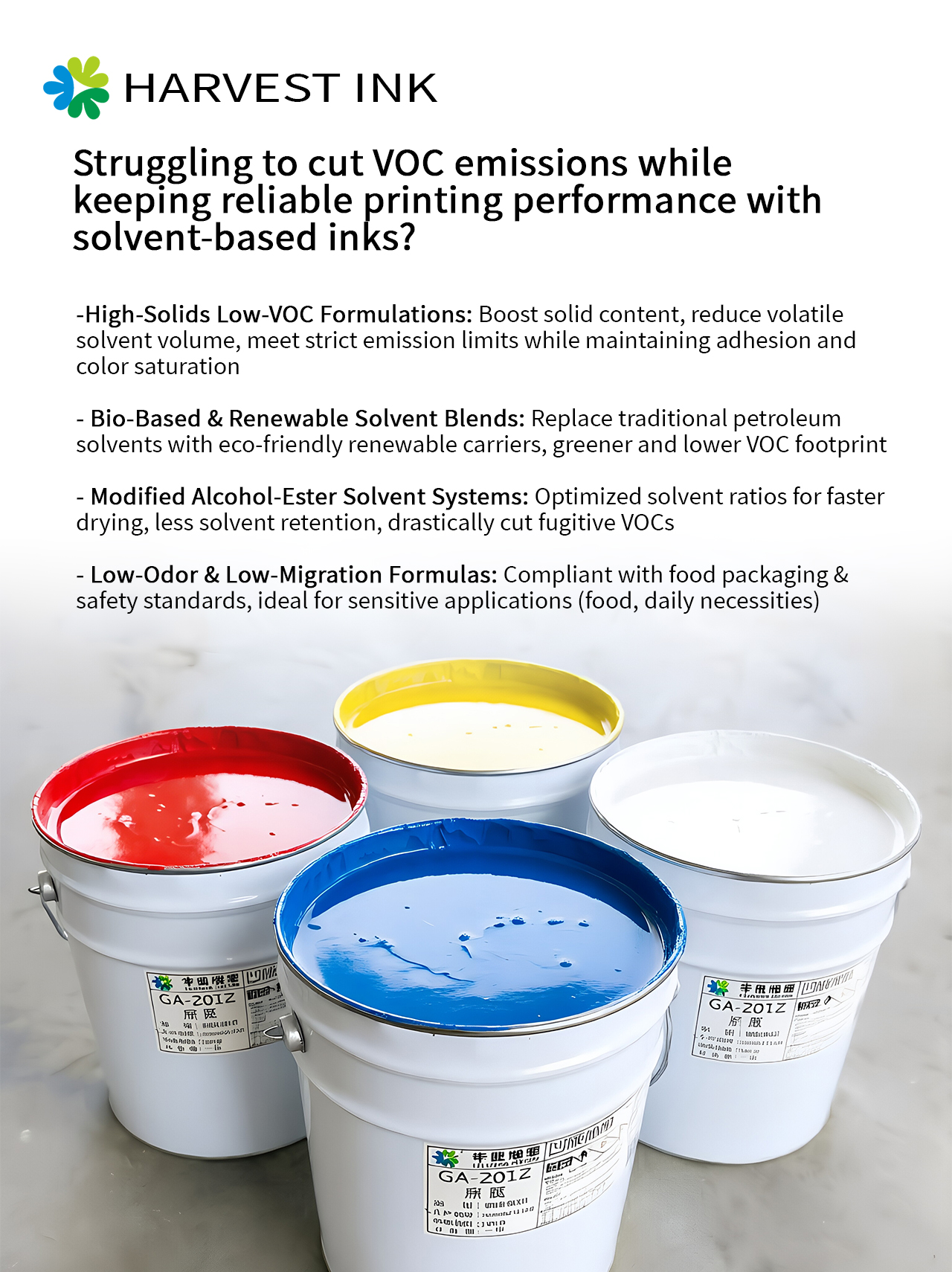
Struggling to cut VOC emissions while keeping reliable printing performance with solvent-based inks? You’re not alone — global environmental regulations and sustainable goals are pushing the ink industry to innovate. For flexible packagin...
VIEW MORE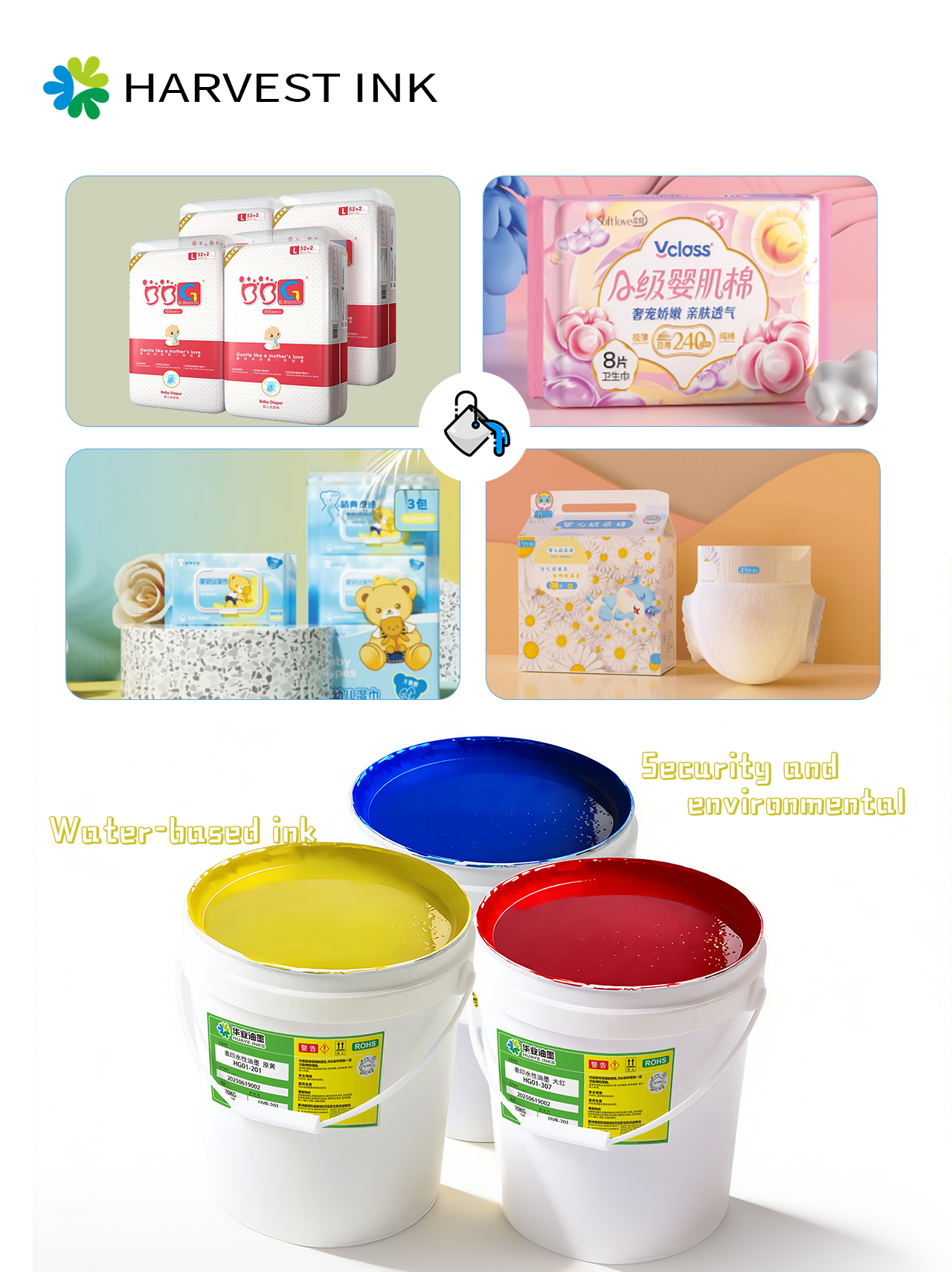
Safety is non-negotiable for baby & toddler packaging — and the right ink certifications make all the difference. Wondering which global standards your packaging ink must meet to enter baby care, infant food, toy packaging & nursery supplies ma...
VIEW MORE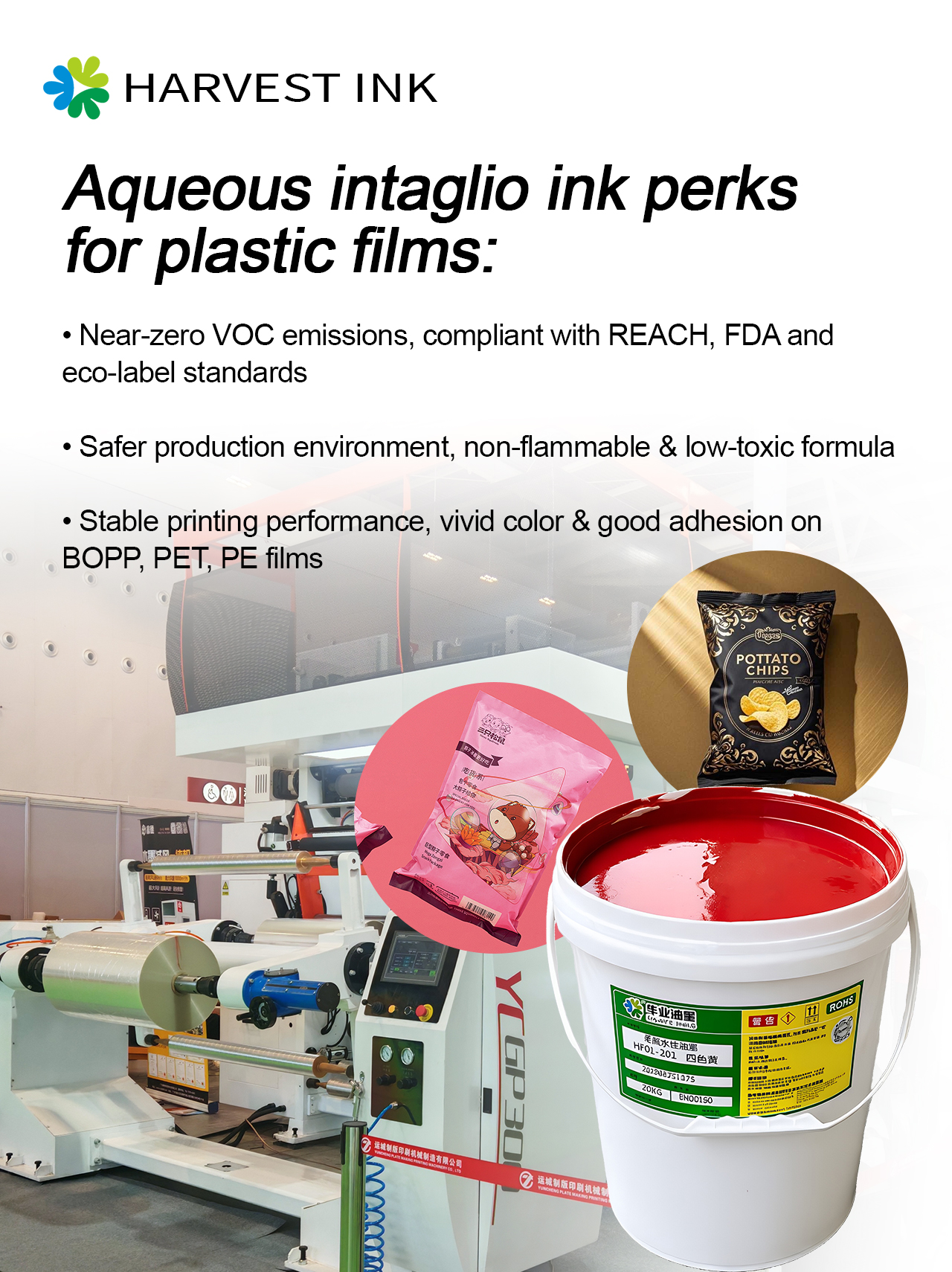
Hot topic in flexible packaging printing: Can waterborne intaglio ink fully take the place of solvent-based ink for plastic film applications? For years, solvent-based inks dominated plastic film gravure printing for fast drying & strong adhesion. B...
VIEW MORE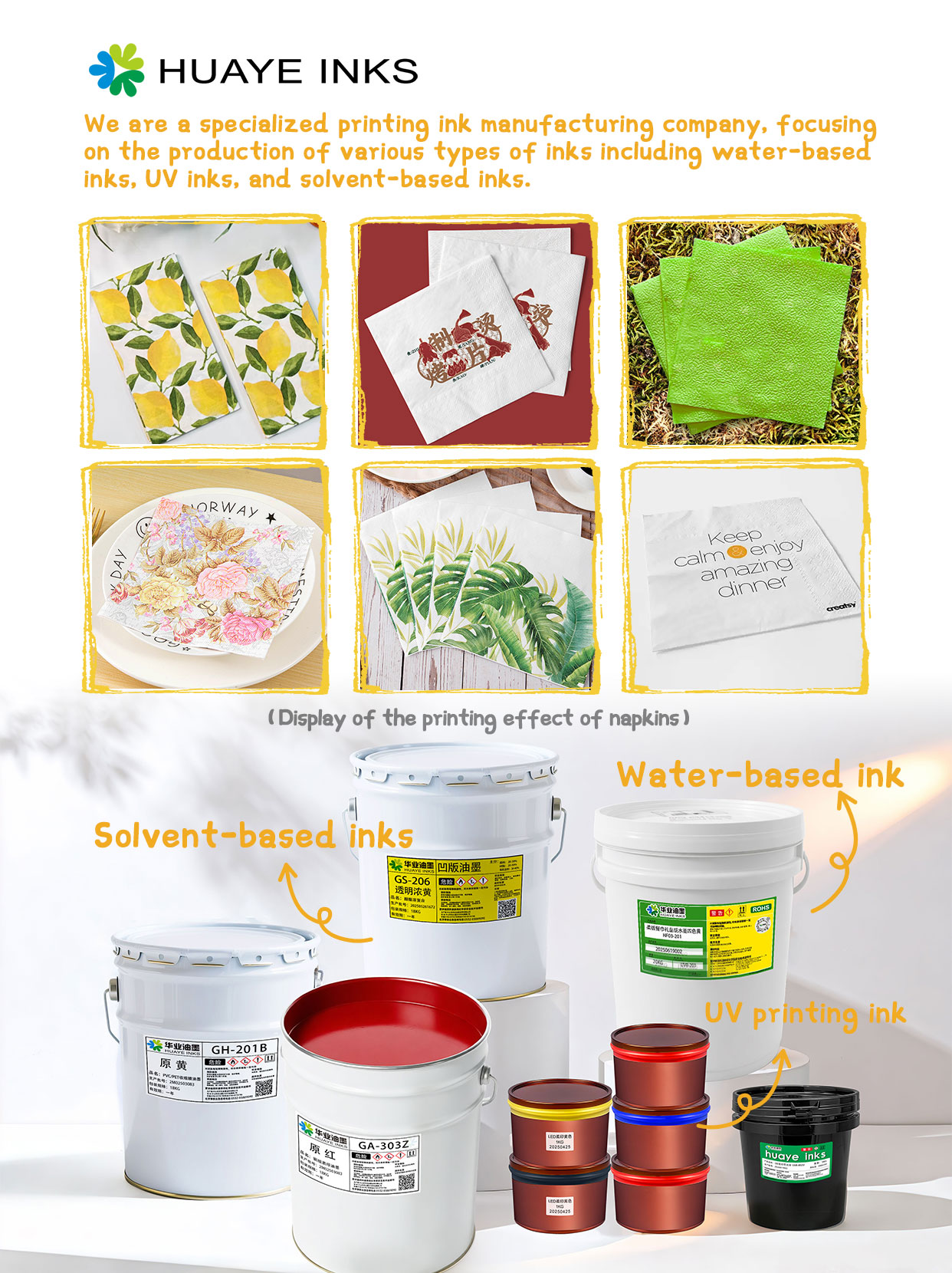
Why Water-Based Flexographic Printing Inks Are Ideal for Napkin ApplicationsSafety, food-contact compliance, and regulatory alignment for disposable napkinsFor napkin production, water based flexo printing inks have become standard across the industr...
VIEW MORE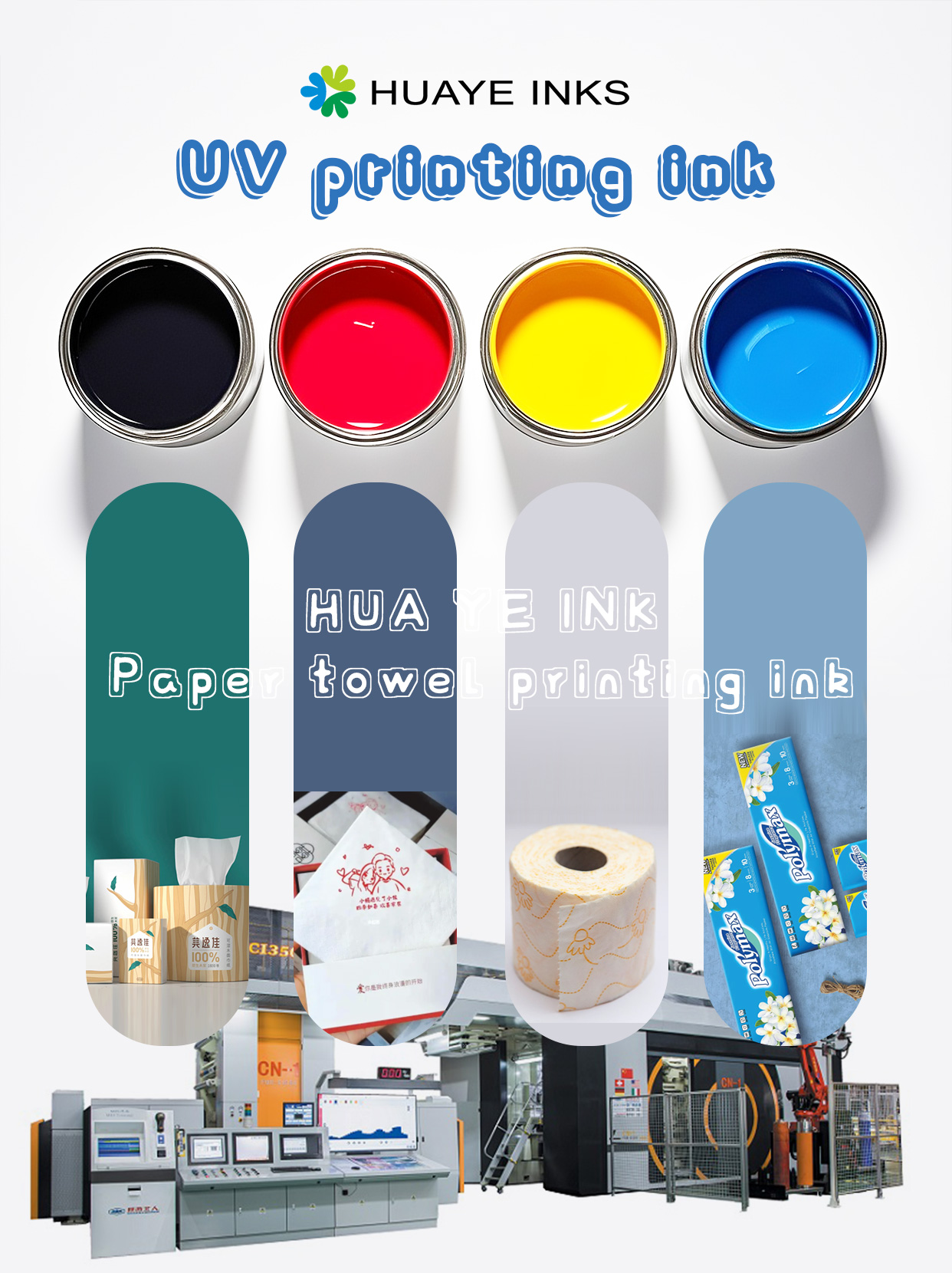
Why Standard UV Printing Ink Fails on Paper Towels The porosity paradox: How rapid capillary absorption undermines surface cure The way paper towels are made with their loose cellulose fibers gives them amazing porosity, which means they soak up thi...
VIEW MORE
We are a professional printing ink manufacturer specializing in water-based, UV, solvent-based inks. OEM&ODM service, timely delivery.
No.2 Jieqing Road ,Shazai industrial Park, Minzhong Zhongshan City, Guangdong Province
Copyright © 2025 by HUAYE INK&PAINT CO.,LTD Privacy Policy

 EN
EN