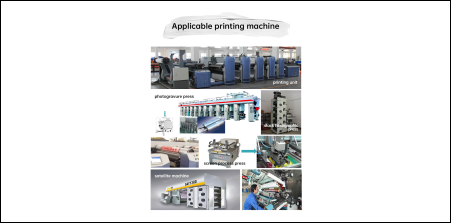
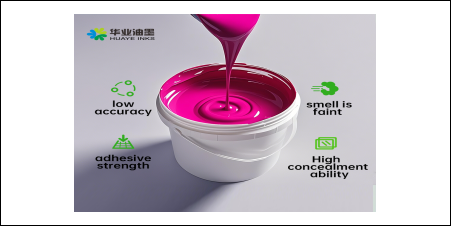
Flexo printing, an abbreviation for flexographic printing, has emerged as a leading printing method, celebrated for its efficiency, adaptability, and quality output. This printing process has found extensive applications across multiple industries, transforming the way products are packaged, labeled, and promoted. The mechanics of flexo printing rely on a flexible relief plate, which serves as the carrier of the printed image. The plate, made from either rubber or photopolymer, has a raised surface corresponding to the areas that need to be printed. An anilox roll, an intricately engraved roller, carefully distributes ink onto the raised areas of the plate. Once the plate is inked, it comes into contact with the substrate, and under pressure, the ink is transferred, resulting in the formation of the printed image. The substrate compatibility of flexo printing is one of its most significant strengths. It can print on a wide array of materials, including paper, cardboard, plastic films, metal foils, and laminates. This versatility allows for the production of various printed products. For instance, in the food packaging industry, flexo printing can be used to print on paper - based cartons for cereal boxes, plastic films for snack bags, and metalized laminates for high - end food products. The ability to print on different substrates also means that businesses can choose the most suitable material for their product based on factors such as cost, functionality, and environmental impact. Flexo printing offers high - speed production, which is crucial for industries with large - volume printing requirements. The continuous rotation of the printing plate and the efficient ink transfer system enable rapid printing, allowing for the production of thousands of printed items per hour. This speed, combined with its cost - effectiveness, makes it an attractive option for companies that need to meet tight deadlines and high - volume demands. The print quality of flexo printing has seen remarkable improvements. With the development of advanced plate - making techniques and high - performance inks, it can now achieve fine - detail reproduction, sharp text, and vivid color palettes. The use of high - resolution photopolymer plates and precise anilox rolls ensures that the ink is transferred accurately, resulting in prints with consistent color density and excellent color registration. This high - quality output is essential for applications where visual appeal is a key factor, such as in product packaging and branding. Furthermore, flexo printing is evolving to be more environmentally friendly. The adoption of water - based and UV - curable inks, which have lower VOC emissions, is on the rise. These inks not only help businesses meet environmental regulations but also offer similar or even better print performance compared to traditional solvent - based inks. Additionally, the use of recycled and biodegradable substrates in flexo printing further contributes to its sustainability, making it a preferred choice for environmentally conscious companies.

 EN
EN