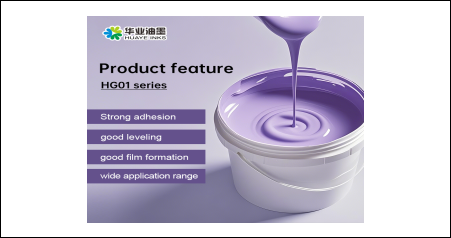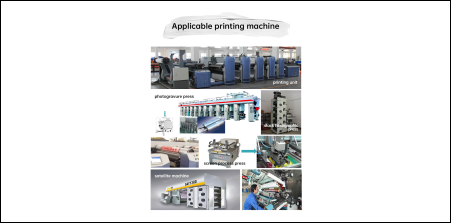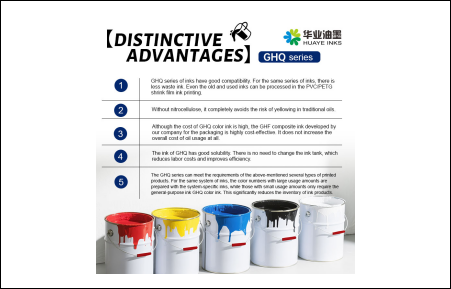

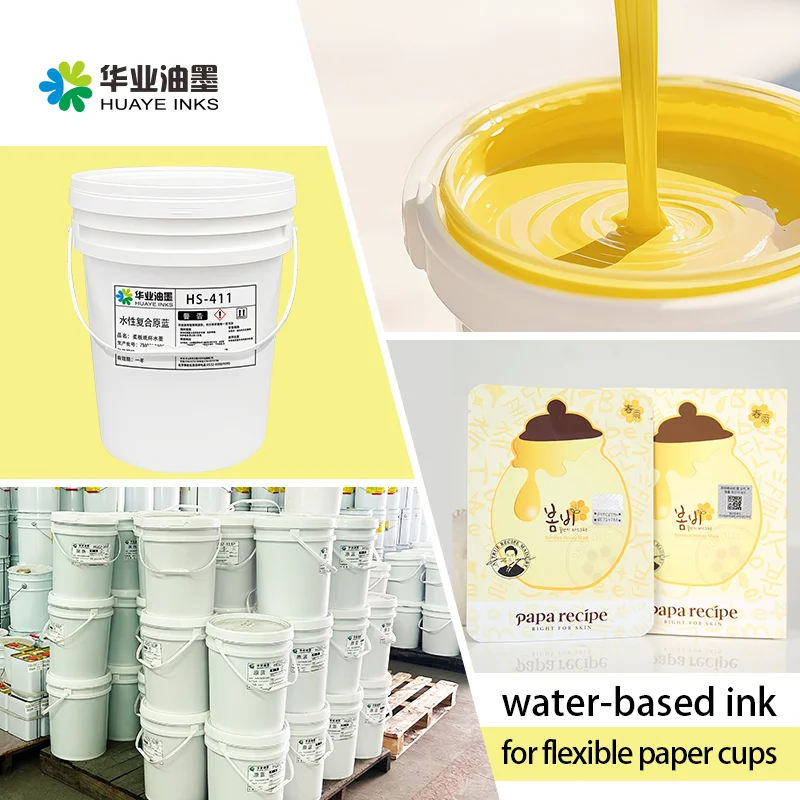
Flexo labels, short for flexographic labels, are a popular choice in the world of labeling, leveraging the advantages of the flexographic printing process. This printing method has seen significant growth in recent years, thanks to its adaptability and efficiency in producing labels for various industries. The flexo label production process begins with the preparation of the flexographic plate. As mentioned earlier, photopolymer plates are highly favored for their precision. They are created through a photosensitive process where a film positive with the desired label design is exposed to ultraviolet (UV) light on the photosensitive plate. The unexposed areas are then washed away, leaving behind the raised image that will transfer the ink. This high - resolution plate ensures that even the most delicate details of the label design, such as fine lines in a logo or small text in product instructions, are accurately reproduced. The ink used in flexo labels is carefully selected based on the application and substrate. Solvent - based inks have been used for a long time and offer good adhesion and drying speed, especially on non - porous substrates like certain plastic films. However, with the growing environmental concerns, water - based inks have gained prominence. They are not only more eco - friendly but also provide excellent color saturation and can be formulated to adhere well to a variety of materials. UV - curable inks, as the name suggests, cure instantly when exposed to UV light. This property makes them suitable for high - speed production, as there is no need to wait for the ink to dry through evaporation. Additionally, the cured UV - ink forms a hard, durable layer, protecting the label from scratches and environmental factors. Substrates for flexo labels are diverse. In addition to the commonly used paper and plastic films, there are also specialty substrates. For example, biodegradable materials are becoming more popular as consumers and industries strive for more sustainable packaging solutions. These substrates can be printed with flexo inks, allowing for the production of eco - friendly labels. Another example is self - adhesive substrates, which are widely used in the label industry. The adhesive on these substrates needs to be compatible with the printing process and the ink used, ensuring that the label adheres well to the product surface while maintaining its print integrity. Flexo labels find applications in many sectors. In the cosmetic industry, labels are used to showcase product features, ingredients, and brand aesthetics. The high - quality print of flexo labels can display the brand's logo and product images in a way that attracts consumers. In the electronics industry, labels are used for product identification, warranty information, and safety instructions. These labels need to be durable and resistant to wear and tear, as electronic products are often handled frequently. Flexo labels can meet these requirements with their robust printing and substrate options.