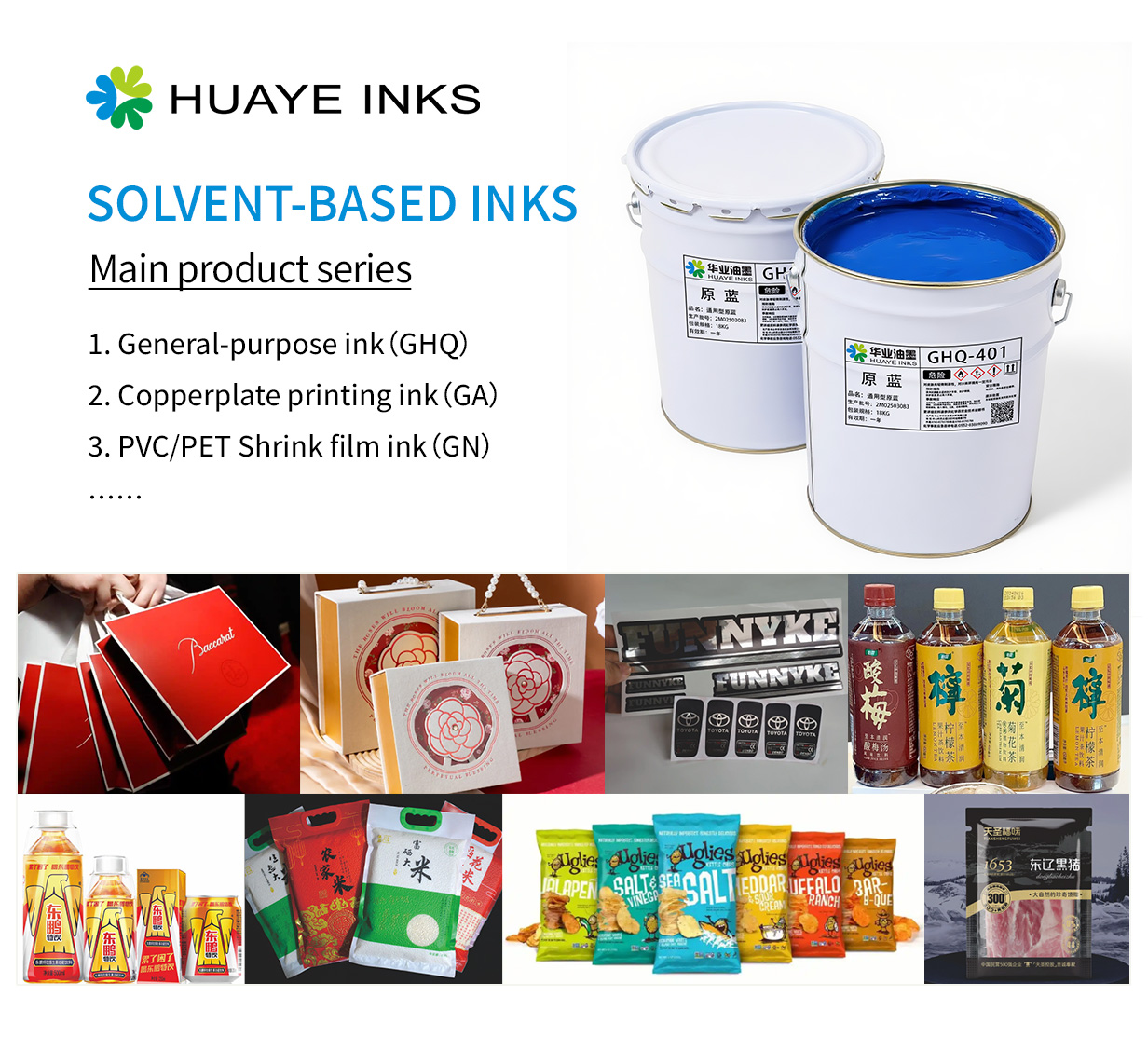
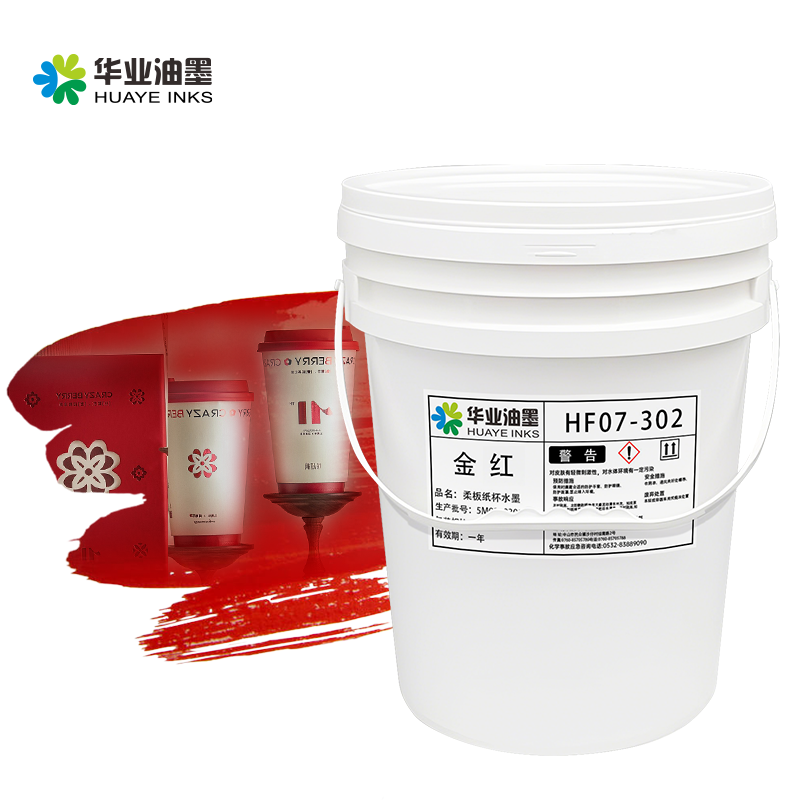
The application of flexographic printing inks spans an incredibly wide spectrum, from simple line work on brown corrugated boxes to sophisticated process printing on high-gloss flexible films. This versatility is made possible by tailoring the ink's composition to the specific requirements of the job. For instance, inks used for printing on foil laminates must address the substrate's non-porous and often smooth nature. Adhesion is paramount and is achieved through resins that form a strong bond with the foil surface. Additionally, the ink may need to withstand high temperatures if the package is to be used for retort processing (sterilization under pressure and heat), requiring a resin system with exceptional heat resistance, such as certain polyesters or phenolics. Another demanding application is in the printing of labels for battery casings. These inks may be exposed to acid leakage or high temperatures generated during battery operation. Therefore, they must exhibit superior chemical resistance and thermal stability. Solvent-based or UV-cured inks with specially selected pigments and resins are typically used to ensure the label remains legible and adherent throughout the product's life. The concept of "low migration" is absolutely critical in packaging for sensitive products like infant formula or pharmaceuticals. While often associated with UV curing, the principle applies to all ink types: any substance that can move from the printed layer into the product must be rigorously controlled. This involves using raw materials with high molecular weights (so they are too large to migrate) or that are fully reacted into the polymer matrix, and employing extensive testing (e.g., GC-MS) to verify the absence of migrants at levels of concern. From a converter's perspective, the press performance of an ink is as important as the final properties. This includes the ink's ability to start up quickly, its stability on press over long runs, its compatibility with other inks in a sequence, and its ease of clean-up. Inks that dry too quickly on the plates can cause downtime for washing, while inks that dry too slowly can cause blocking on the rewind. To obtain detailed information on our flexographic inks' performance characteristics for your specific applications, including their adhesion profile, resistance properties, and migration safety data, we invite you to contact us. Our team can provide the technical depth and application knowledge you require.