
 EN
EN
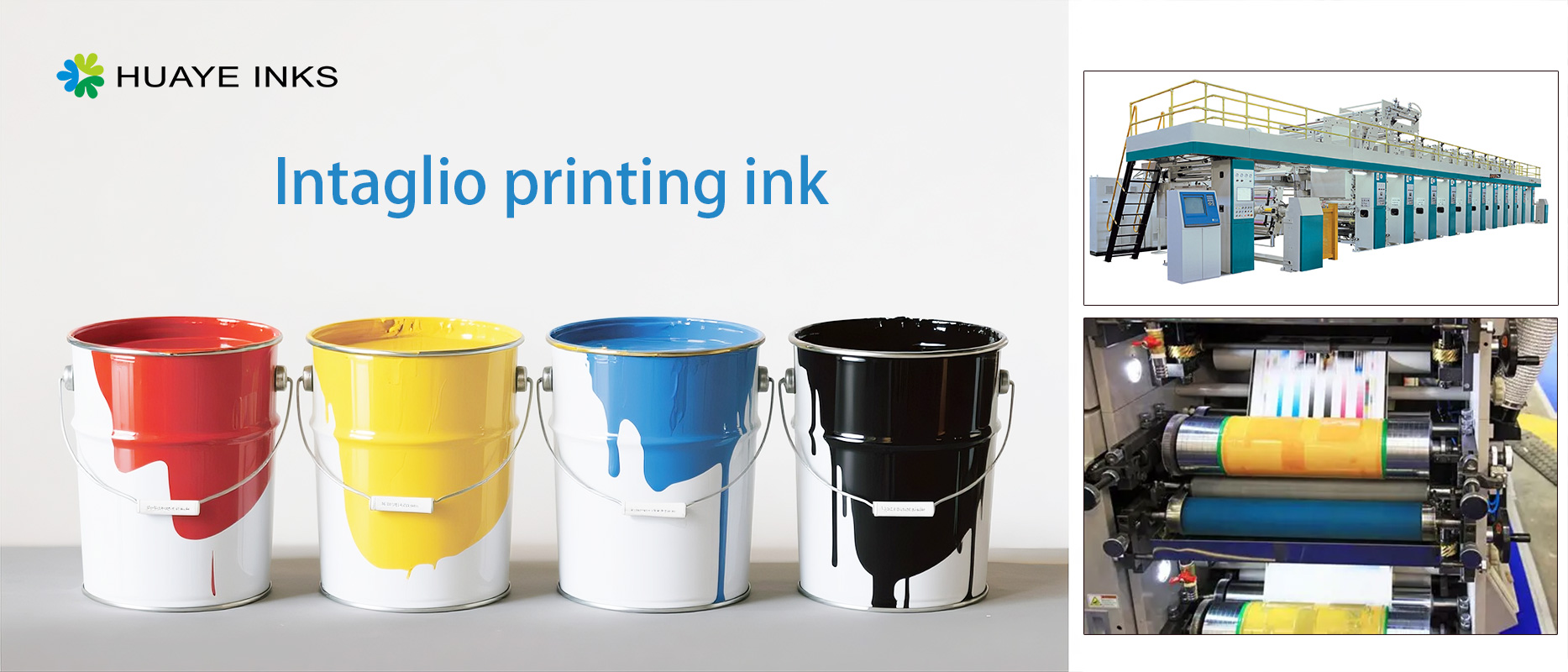
Low Viscosity and Efficient Ink Transfer in High-Speed Gravure
How Low Viscosity Enables Rapid, Uniform Ink Transfer at High Speeds
Gravure inks that have viscosity levels ranging from around 50 to 500 mPa·s work really well for high speed printing because they flow quickly into those laser engraved cylinder cells. When the ink has this lower viscosity, it creates less resistance as it moves through the system, which allows for better capillary action. This means the ink transfers more evenly across the substrate even when running at speeds over 600 meters per minute. Research published in 2023 on gravure printing processes showed something interesting too. They found that getting the viscosity just right can cut down on ink misting by about 28%, all while keeping the color density consistent throughout the print run. This matters a lot for things like packaging films where appearance counts, as well as for publications where readability is essential.
Viscosity Control Technologies in Modern Gravure Ink Formulations
Advanced solvent blending systems now enable real-time viscosity adjustments within ±15% during production. Rheology modifiers like polyamide resins maintain shear-thinning behavior, ensuring stable flow even with 40% reduced solvent content compared to legacy formulations. Leading manufacturers achieve viscosity tolerances of ±5 mPa·s using automated viscometers integrated with ink circulation systems.
Reduced Solvent Usage: Balancing Flow Properties with Cost and Sustainability
Modern gravure inks demonstrate how an 18–22% reduction in solvent use (vs. 2020 benchmarks) can coexist with high-speed performance. Closed-loop solvent recovery systems capture 92–95% of VOCs in publication gravure workflows, cutting operational costs by $12–$18 per liter while meeting EU 2027 emissions targets.
Case Study: Optimizing Viscosity in Publication Gravure Printing
A European printer reduced solvent consumption by 30% after adopting 220 mPa·s inks paired with precision-coated cylinders. This adjustment improved ink transfer efficiency from 78% to 89%, achieving annual savings of €540,000 while maintaining 4.0 DIN density standards on lightweight papers.
Fast Drying Mechanisms Supporting High-Speed Production
Meeting Press Speeds of 200–600 Meters Per Minute With Rapid Drying
Modern gravure ink formulations support print speeds over 500 m/min through optimized solvent blends and resin systems. A 2023 Heidelberg trial showed ethyl acetate-based inks reduce drying time by 18% compared to traditional toluene formulations while preserving color gamut stability.
| Drying Factor | Traditional Approach | High-Speed Solution |
|---|---|---|
| Primary Solvent | Toluene (slow evaporation) | Ethyl Acetate (rapid phase change) |
| Energy Source | Convection-only drying | Hybrid IR + Forced Air (40% faster) |
| VOC Emissions | 300–400 g/kg ink | <150 g/kg ink (2024 EU benchmarks) |
Solvent Selection and Its Impact on Drying Kinetics and Film Formation
Low-boiling-point solvents (60–80°C) enable faster vaporization without compromising adhesion. Propylene glycol methyl ether (PGME) has emerged as a preferred option, showing 22% faster film formation than n-propyl acetate in 2023 substrate trials.
Integration of Infrared and Hot Air Drying Systems in Gravure Lines
Multi-stage drying tunnels now combine short-wave IR modules (3–5 sec dwell time), high-velocity air knives (25–35 m/s), and condensation recovery systems capturing up to 85% of solvents. This configuration reduces energy consumption by 30% while ensuring 99.5% ink fixation on BOPP films at 550 m/min.
Case Study: Enhancing Drying Efficiency in Packaging Gravure Operations
A European flexible packaging converter achieved 22% faster drying cycles by switching to ketone-free ink solvents, installing aerodynamic web guides, and implementing real-time humidity controls. These changes reduced annual solvent usage by 140 metric tons and increased press uptime by 17%.
Emerging Trend: UV-Curable Gravure Inks for Instant Curing and Lower VOCs
UV-LED curing systems now achieve full polymerization in 0.8–1.2 seconds, enabling 100% solid content inks with zero VOC emissions, immediate downstream processing, and 50% energy savings versus thermal drying. A 2024 Smithers study projects 9.3% annual growth for UV gravure inks through 2028, driven by food packaging compliance mandates.
Solvent-Based Gravure Inks: Performance and Environmental Balance
Why Solvent-Based Systems Dominate High-Speed Gravure Applications
Most printers still rely on solvent based gravure inks when speed matters most because they dry incredibly fast, anywhere from 200 to 600 meters per minute, and work well on almost any material. The quick evaporation of solvents such as ethyl acetate means these inks can dry in under 15 seconds flat, which keeps production lines running non stop for things like food packaging and magazines. A recent report from Materials Performance in 2024 actually shows that solvent systems give about 40 something percent better throughput compared to those water based options when printing on films. Not bad considering environmental concerns have pushed many industries toward greener alternatives recently.
Ink Composition, Adhesion, and Performance on Diverse Substrates
Modern solvent gravure inks combine acrylic/polyurethane resins (55–70% by weight) with high-strength pigments and rheology modifiers. This formulation achieves:
- 99.5% ink transfer efficiency on BOPP/PET films
- 5 N/cm² adhesion strength (ASTM D3359)
- <0.5 Delta E color variation across runs
Studies show solvent inks provide 23% better wetting on metallic surfaces compared to UV-curable alternatives, enhancing performance in demanding applications.
Managing VOC Emissions Through Closed-Loop Systems and Alternative Solvents
While solvent-based inks historically contributed 65–80% of printing sector VOCs, new recovery technologies cut emissions by 70% (2023 Sustainable Printing Initiative). Key solutions include:
| Technology | VOC Reduction | Energy Savings |
|---|---|---|
| Carbon adsorption | 85–92% | 15–20% |
| Condensation | 75–88% | 10–18% |
Bio-solvents derived from citrus and organic acids now make up 30% of eco-compliant gravure inks, reducing environmental impact without sacrificing print quality.
Superior Print Quality, Durability, and Rub-Off Resistance
Achieving High Abrasion Resistance Without Compromising Print Clarity
Gravure inks today last much longer because they form strong bonds at the molecular level between resins and whatever surface they're printed on. Research from material scientists indicates these inks can handle well over 100 rubbing tests according to ASTM standards, and still keep lines sharp below 5 micrometers in width, even when running at speeds around 600 meters per minute. What makes this possible? It's all about getting just the right mix. About 35 to 50 percent crosslinking in acrylates combined with enough plasticizers keeps the ink from becoming too brittle. This matters a lot for flexible packaging applications where materials need to bend and fold without cracking or losing print quality during transportation and handling.
Pigment Dispersion and Resin Selection for Optimal Durability and Color Strength
For high speed gravure printing processes, colloidal pigment dispersions need particles no larger than 0.5 microns to avoid those annoying streaks that ruin print quality. The latest generation of nitrocellulose combined with polyurethane gives around 98% dispersion efficiency according to ISO standard 787-24 tests. These blends produce color densities exceeding 1.8D and stand up pretty well against most common solvents too. Some recent testing shows that when manufacturers optimize their resin matrix formulations, they get about a 30% boost in chemical resistance compared to old fashioned single resin systems. This matters a lot for food packaging materials that come into contact with cooking oils or have to withstand various sterilization methods during production.
Balancing Long-Term Print Performance With Environmental Compliance
Innovators are reconciling durability and sustainability through three key approaches:
- Water-based acrylics offering 85 GU gloss with ¤50 g/L VOC content
- UV-curable systems providing instant cure and over 90% rub-off resistance
- Bio-resins from modified triglycerides achieving 7B adhesion (ASTM D3359)
These solutions meet ECO PAS 110 standards while delivering the 5-year outdoor durability required for premium labels, proving environmental responsibility does not require functional trade-offs.
Precision Compatibility with Laser-Engraved Gravure Cylinders
Matching Ink Rheology to Laser-Engraved Cell Geometry and Volume
The best results from gravure printing happen when the ink's flow properties match exactly what those laser engraved cylinders need. These days, modern laser tech creates tiny cells measuring between 5 to 30 microns deep. That means we need special inks that get thinner under pressure so they can properly fill those microscopic cavities and then let go cleanly onto whatever material we're printing on. According to research published last year, getting this right cuts down on ink misting problems by around 18% when running at speeds above 400 meters per minute. Even better, it keeps color density pretty much constant too – about 98% give or take half a percent – whether working with PET or BOPP films. Makes sense really, since proper ink behavior is critical for both quality prints and efficient operation.
Enhancing Print Consistency Through Digital Cylinder Engraving Technology
Modern digital engraving setups let operators tweak cell shapes on the fly as they monitor ink thickness changes. These systems create smart cell arrangements that adjust themselves when the ink gets too thick or thin during runs. When engraving works hand in hand with how ink actually flows through the press, something remarkable happens the variation in printed dots drops below 1.2% even at top speeds for label production. Real world results tell the story best many plants have seen their downtime drop significantly once they installed these feedback systems that link engraving settings directly to ink behavior. Some manufacturers claim around 23% fewer interruptions just to fix ink issues since switching to this closed loop approach.
Case Study: Improved Output in Flexible Packaging Using Advanced Cylinder-Ink Pairing
One major European printing company managed to speed up their job changeovers by about 40% when they started matching laser engraved cylinder profiles with specific gravure inks. They found that pairing 140 degree hexagonal cell patterns with inks that had a viscosity range of 45 to 55 seconds on a #4 Ford cup completely removed the need for those time consuming wash up cycles between metallic prints and regular color jobs. The results were impressive too. Their system maintained an astonishing 99.2% register accuracy even when producing complex 15 layer barrier pouches at speeds reaching 550 meters per minute. This performance beat out traditional systems by around 11% in terms of how much they could consistently produce over time.
Frequently Asked Questions
What is viscosity in gravure inks?
Viscosity in gravure inks refers to the measure of a fluid's resistance to flow. Low viscosity inks flow more easily into the engraved cells of cylinders, allowing for efficient ink transfer during high-speed printing.
How does reduced solvent usage impact gravure printing?
Reducing solvent usage in gravure printing helps balance flow properties while cutting costs and improving sustainability. Advanced technology captures and reduces VOC emissions, aligning with environmental targets without sacrificing performance.
Why are solvent-based systems preferred in high-speed gravure applications?
Solvent-based systems are favored due to their fast drying capabilities, adaptability to various substrates, and superior ink transfer efficiency. They enable continuous production speeds between 200 to 600 meters per minute.
How are VOC emissions managed in gravure printing?
VOC emissions are managed through closed-loop systems and alternative solvents, significantly reducing environmental impact. These systems capture and recycle solvents to meet current environmental regulations.
Table of Contents
- Low Viscosity and Efficient Ink Transfer in High-Speed Gravure
-
Fast Drying Mechanisms Supporting High-Speed Production
- Meeting Press Speeds of 200–600 Meters Per Minute With Rapid Drying
- Solvent Selection and Its Impact on Drying Kinetics and Film Formation
- Integration of Infrared and Hot Air Drying Systems in Gravure Lines
- Case Study: Enhancing Drying Efficiency in Packaging Gravure Operations
- Emerging Trend: UV-Curable Gravure Inks for Instant Curing and Lower VOCs
- Solvent-Based Gravure Inks: Performance and Environmental Balance
- Superior Print Quality, Durability, and Rub-Off Resistance
- Precision Compatibility with Laser-Engraved Gravure Cylinders
- Frequently Asked Questions