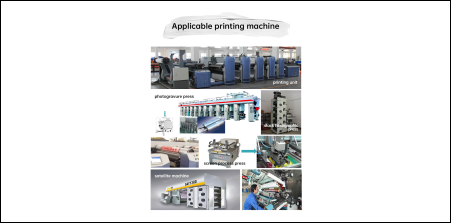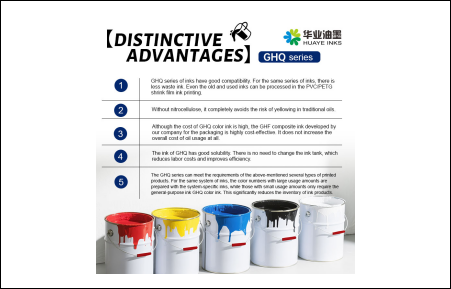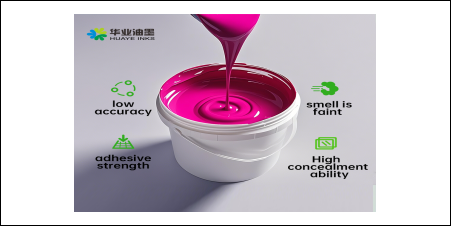

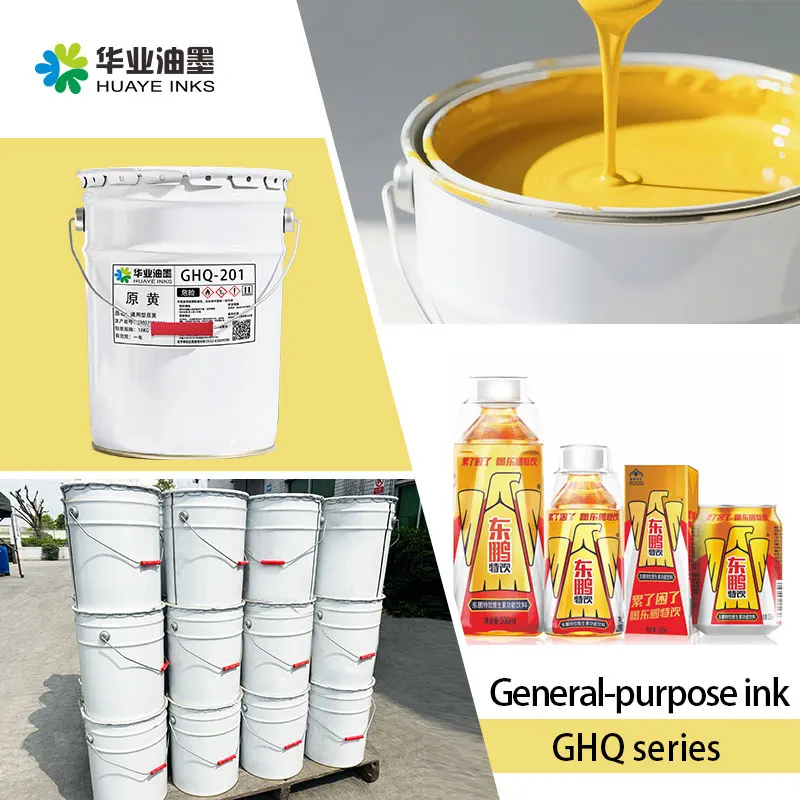
Relief inks are specifically designed for relief printing processes, a traditional yet still widely used method in the printing industry. In relief printing, the image area is raised above the non - image area on the printing plate, and the ink is applied only to the raised surface before being transferred to the substrate. This unique printing mechanism requires inks with specific properties to ensure optimal print quality and performance. One of the key characteristics of relief inks is their viscosity. These inks need to have a carefully controlled viscosity level. A proper viscosity ensures that the ink can effectively fill the raised areas of the printing plate without flowing into the non - image areas, preventing smudging. At the same time, it should be fluid enough to be transferred smoothly from the plate to the substrate under the pressure applied during the printing process. Manufacturers adjust the viscosity of relief inks by carefully formulating the combination of binders, solvents, and additives. For example, inks for high - speed relief printing presses may have a lower viscosity to facilitate faster ink transfer, while inks for slower - speed presses or for printing on more absorbent substrates may have a higher viscosity. Adhesion is another crucial property of relief inks. The ink must adhere well to the printing plate's raised surface during the inking process and then transfer effectively to the substrate. Different substrates, such as paper, cardboard, plastic, and metal, have varying surface chemistries and energies. Relief inks are formulated with binders and adhesion - promoting additives that can adapt to these different surfaces, ensuring strong and durable bonds. This is especially important for applications where the printed materials will be subjected to handling, transportation, and environmental factors, as poor adhesion can lead to ink peeling or flaking. Color performance is also a significant aspect of relief inks. They are designed to produce vibrant, accurate colors with good color fastness. High - quality pigments are selected for their color strength, purity, and compatibility with the ink formulation. These pigments are finely dispersed within the ink to ensure even color distribution and consistent color reproduction across the printed surface. Whether it's printing simple text, logos, or complex graphics, relief inks need to be able to deliver sharp, clear, and visually appealing results. Relief inks are used in various printing applications. Flexographic printing, which is a type of relief printing, uses specialized flexographic inks. These inks are widely used in packaging, label printing, and commercial printing due to their ability to print on different substrates and their cost - effectiveness for large - volume production. Letterpress printing, an older form of relief printing, also relies on specific letterpress inks that are formulated to meet the unique requirements of this printing method, such as its slower printing speed and the need for inks to transfer well on traditional paper substrates.