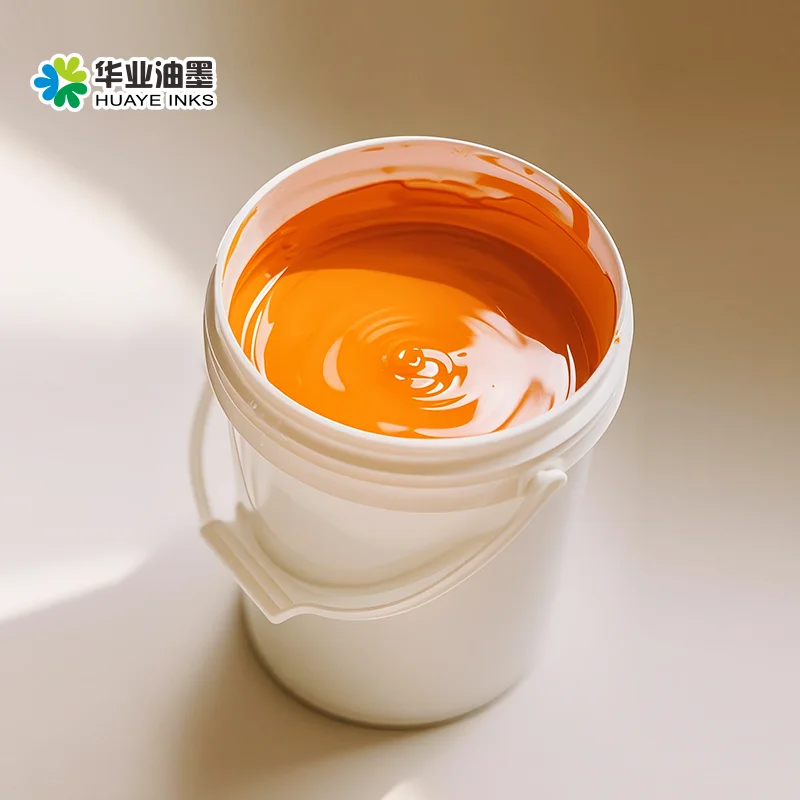
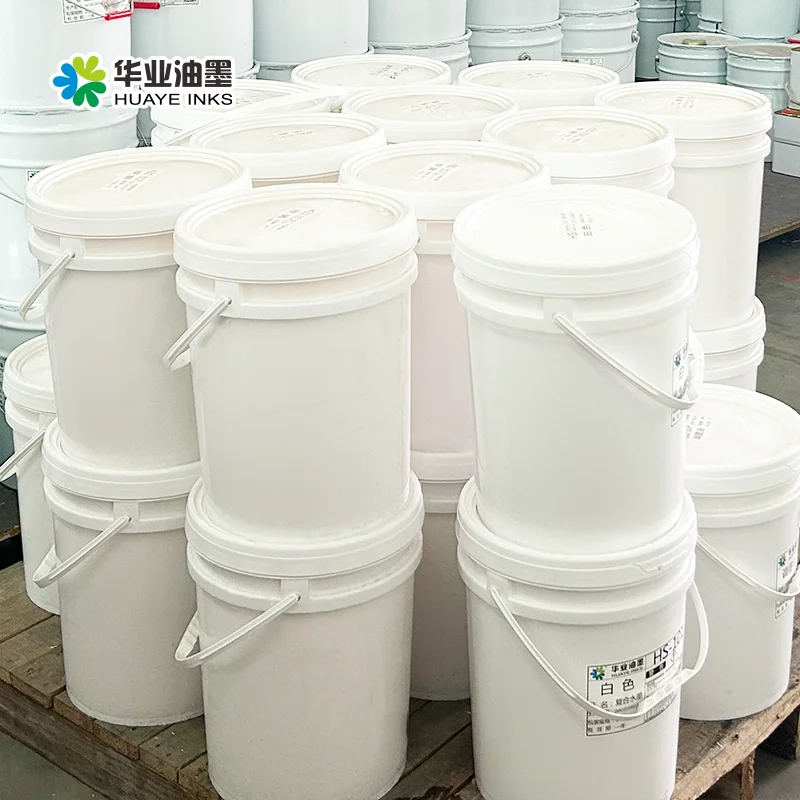
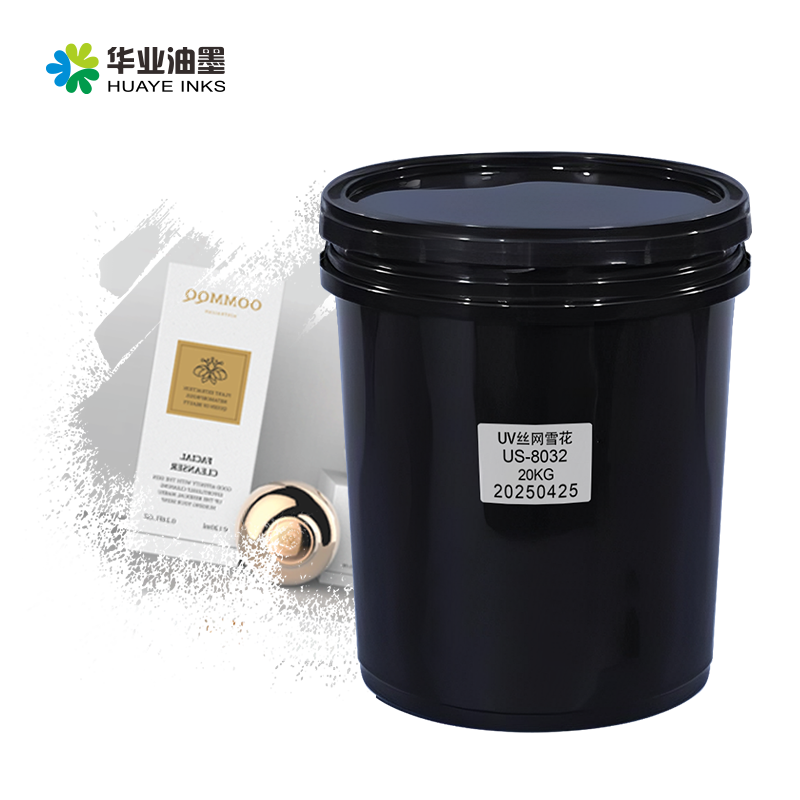
Ultraviolet ink printing, commonly known as UV ink printing, has emerged as a cutting - edge technology in the printing industry, offering a multitude of advantages over traditional printing methods. At the core of this technology is the use of UV inks, which are formulated to dry and cure rapidly when exposed to ultraviolet (UV) light. This unique characteristic of UV inks has transformed the way printing is done, providing enhanced efficiency, durability, and print quality. The UV ink printing process involves applying UV ink onto the substrate using various printing techniques, such as screen printing, digital inkjet printing, flexographic printing, or offset printing. Once the ink is applied, it is immediately exposed to UV light from a specialized UV curing system, which can consist of UV lamps or LED UV curing units. The UV light initiates a chemical reaction called polymerization within the ink, causing it to transform from a liquid state into a solid, cured film in a matter of seconds. This rapid curing process eliminates the need for long drying times, significantly increasing production speed and reducing the risk of smudging or damage to the printed materials. One of the most notable benefits of ultraviolet ink printing is its exceptional print quality. UV inks offer high color saturation, sharpness, and resolution, allowing for the reproduction of detailed and vibrant images. They can accurately reproduce a wide gamut of colors, ensuring consistent and accurate color representation in every print. The instant curing of the ink also prevents bleeding and feathering, resulting in clean, crisp prints with excellent edge definition, even on complex or irregularly shaped substrates. Durability is another key advantage of UV ink printing. Once cured, the printed designs are highly resistant to abrasion, fading, chemicals, and UV radiation. This makes UV - printed materials ideal for outdoor applications, such as billboards, banners, and signage, where they are exposed to harsh weather conditions and direct sunlight. In addition, UV - printed products are well - suited for industrial and consumer goods, such as labels, packaging, and promotional items, as they can withstand frequent handling and exposure to various environmental factors without losing their visual appeal. UV ink printing is also highly versatile in terms of substrate compatibility. It can be used on a wide range of materials, including plastics, metals, glass, wood, paper, and cardboard. This versatility allows for the creation of customized products across different industries. For example, in the automotive industry, UV ink printing is used for printing logos and graphics on vehicle parts, while in the electronics industry, it is used for circuit board printing and component marking. However, implementing ultraviolet ink printing requires specialized equipment and proper handling. UV curing systems need to be carefully calibrated to ensure optimal curing conditions, and UV inks have specific storage and handling requirements to prevent premature curing. Additionally, UV inks can be more expensive than traditional inks, which may impact the overall cost of production. Despite these challenges, the continuous advancements in UV ink printing technology are making it more accessible and cost - effective. Newer ink formulations, improved UV curing systems, and innovative printing techniques are being developed to enhance performance, reduce energy consumption, and expand the range of applications. As the demand for high - quality, durable, and customized printing solutions continues to grow, ultraviolet ink printing is expected to play an increasingly important role in the future of the printing industry.

 EN
EN