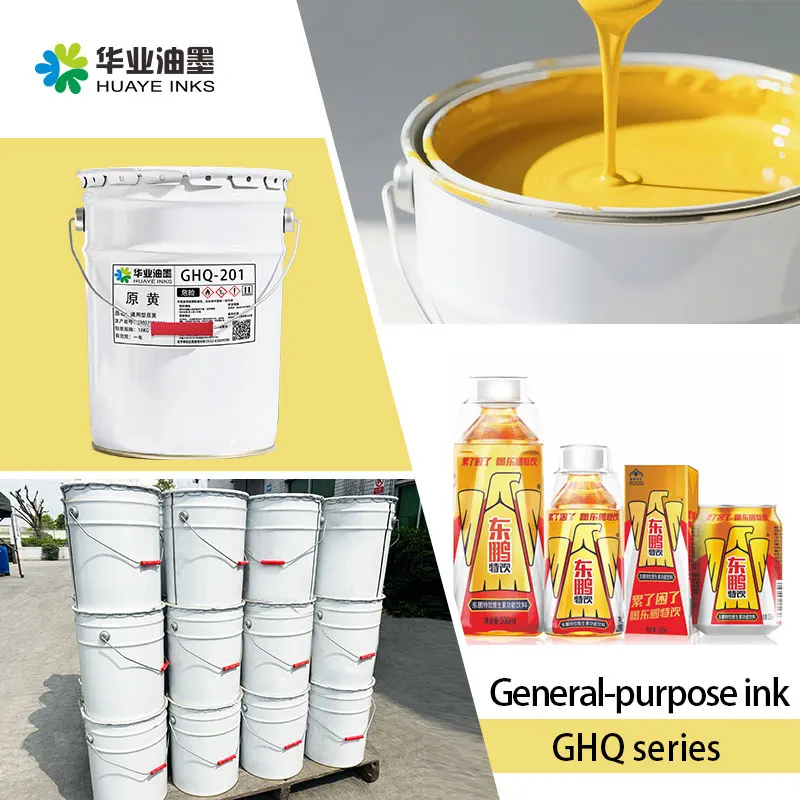
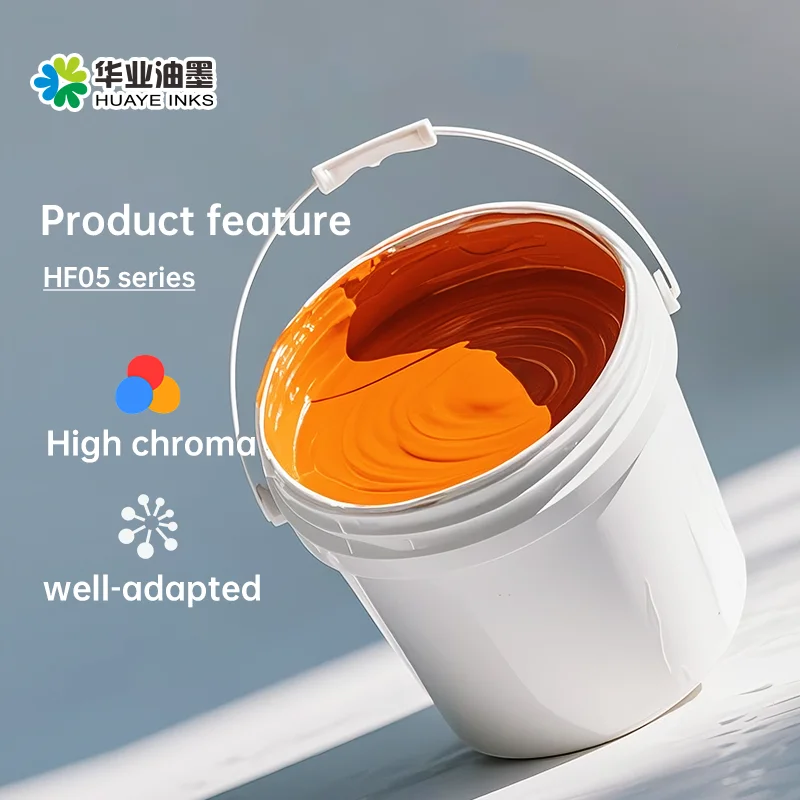
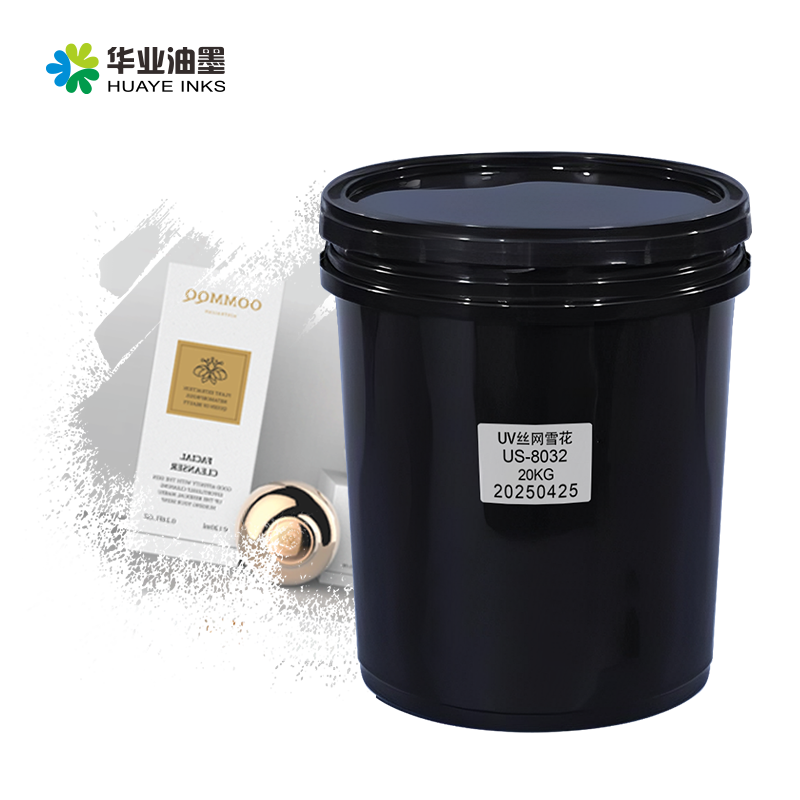
UV inks, or ultraviolet - curable inks, have transformed the printing industry with their unique properties and wide - ranging applications. These inks are formulated with photoinitiators that react to ultraviolet light, triggering a rapid polymerization process that cures the ink almost instantly upon exposure, setting them apart from traditional inks that rely on slower drying mechanisms. The most significant advantage of UV inks lies in their curing speed. The immediate curing process enabled by UV light eliminates the need for long drying times, which is a major limitation of conventional inks. This allows for continuous printing operations, reducing production bottlenecks and increasing overall productivity. In high - volume printing scenarios, such as in packaging production or label printing, UV inks can significantly speed up the manufacturing process, enabling faster turnaround times for clients. UV inks also offer exceptional print quality. They provide high color saturation, allowing for the creation of vibrant, eye - catching prints. The inks can accurately reproduce a wide gamut of colors, including Pantone - matched shades, ensuring consistent and precise color reproduction. They are capable of achieving high - resolution prints, making them suitable for applications that require fine details, such as in the printing of intricate product labels, detailed maps, and high - end marketing materials. Once cured, UV inks form a hard, durable film on the substrate. This film offers excellent resistance to abrasion, chemicals, UV radiation, and moisture, protecting the printed images and ensuring their longevity. This durability makes UV - printed products suitable for both indoor and outdoor applications, from outdoor signage that withstands harsh weather to labels on consumer products that endure frequent handling. Another key benefit of UV inks is their versatility. They can be used with various printing methods, including offset printing, screen printing, inkjet printing, and flexographic printing. This makes them applicable across multiple industries. In the packaging industry, UV inks are used to print on a wide range of materials, such as paperboard, plastic films, and metalized papers, creating attractive and durable packaging for consumer goods. In the graphics and signage industry, they are employed to produce vibrant posters, banners, and decals. Additionally, UV inks are compatible with a diverse range of substrates, including paper, cardboard, plastics, metals, glass, and some textiles, further expanding their application scope. However, there are some considerations when using UV inks. The cost of UV inks is generally higher than that of traditional inks, which can impact production budgets. Specialized UV - curing equipment, such as UV lamps and reflectors, is required to cure the inks, adding to the initial investment and operational costs. Moreover, the UV - curing process needs to be carefully controlled to ensure proper and consistent curing of the inks, as improper curing can lead to issues such as poor adhesion, smudging, or reduced durability. Despite these challenges, ongoing research and development in UV ink technology are focused on reducing costs, improving ink performance, and expanding the range of applications. As the demand for high - quality, durable, and fast - produced prints continues to grow, UV inks are expected to play an increasingly crucial role in the future of the printing industry, driving innovation and enabling new possibilities in various sectors.

 EN
EN