Understanding Total Cost of Ownership for Solvent Ink in Shopping Bag ProductionMaterial, Application, and Waste Costs: Beyond the Per-Liter PriceWhen looking at the economics of solvent ink, price tags aren't the whole story. A lot gets wasted when ...
VIEW MORE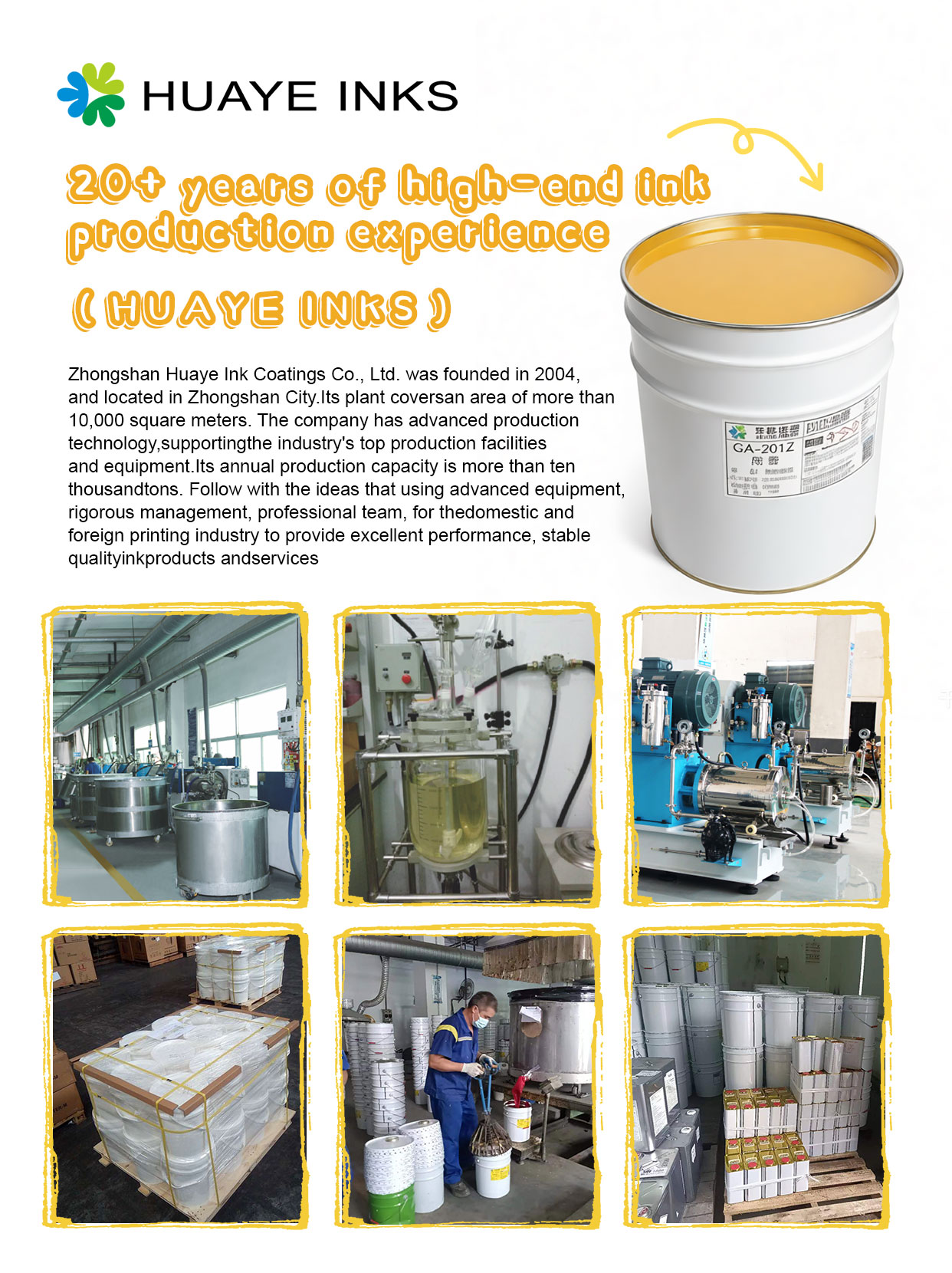
How Bulk Printing Ink Supply Systems Enable High-Volume Label ProductionIntegration with flexo, digital, and hybrid label printing linesBulk ink supply systems work right alongside flexographic, digital, and hybrid printing operations, cutting down o...
VIEW MORE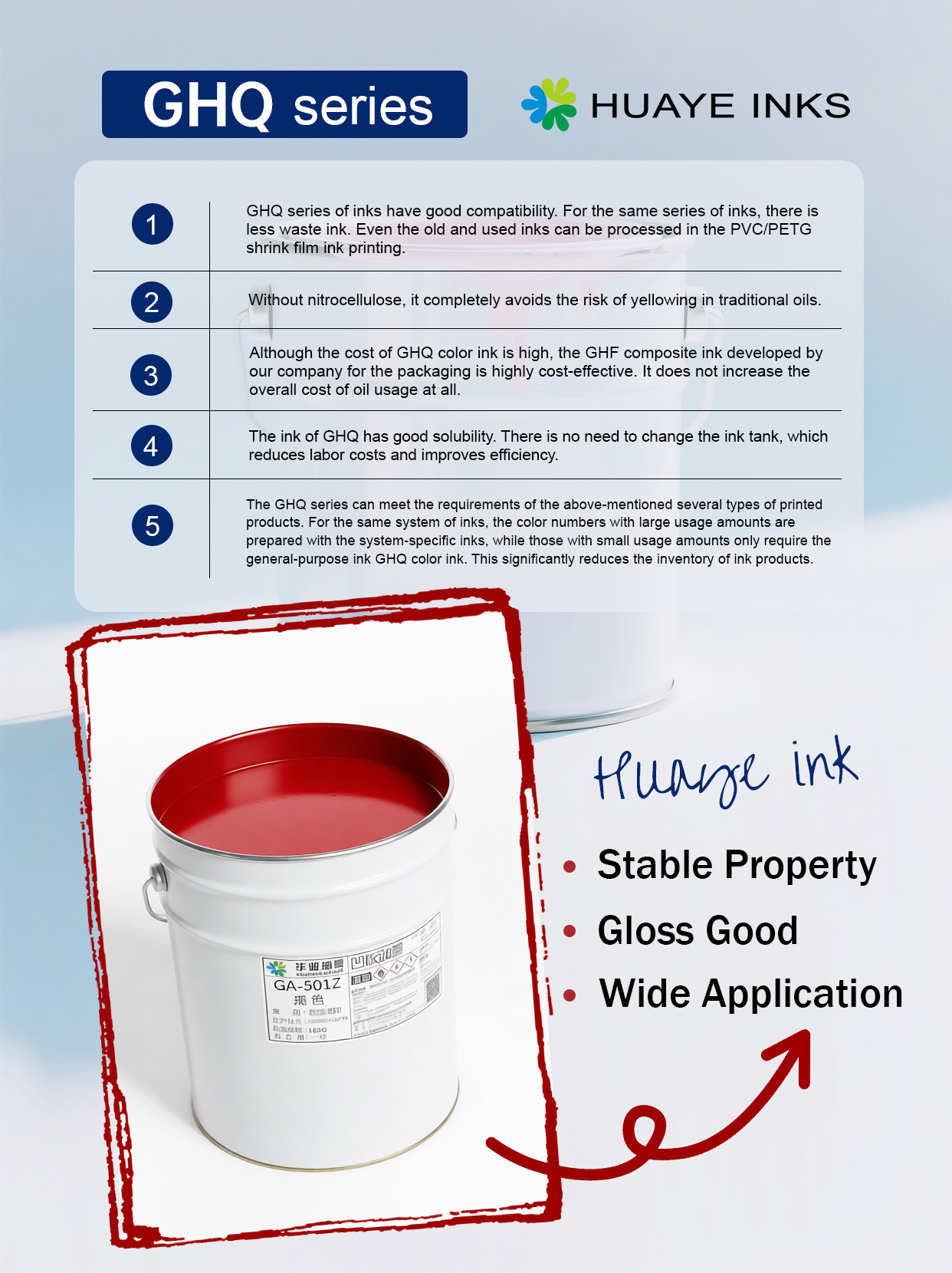
Why Gravure Ink Yellowing Occurs: Core Chemical and Environmental Drivers Oxidative Degradation of Ketonic Resins and Chromophore Formation The yellowing problem in gravure inks basically comes down to what happens when those ketonic resins break ...
VIEW MORE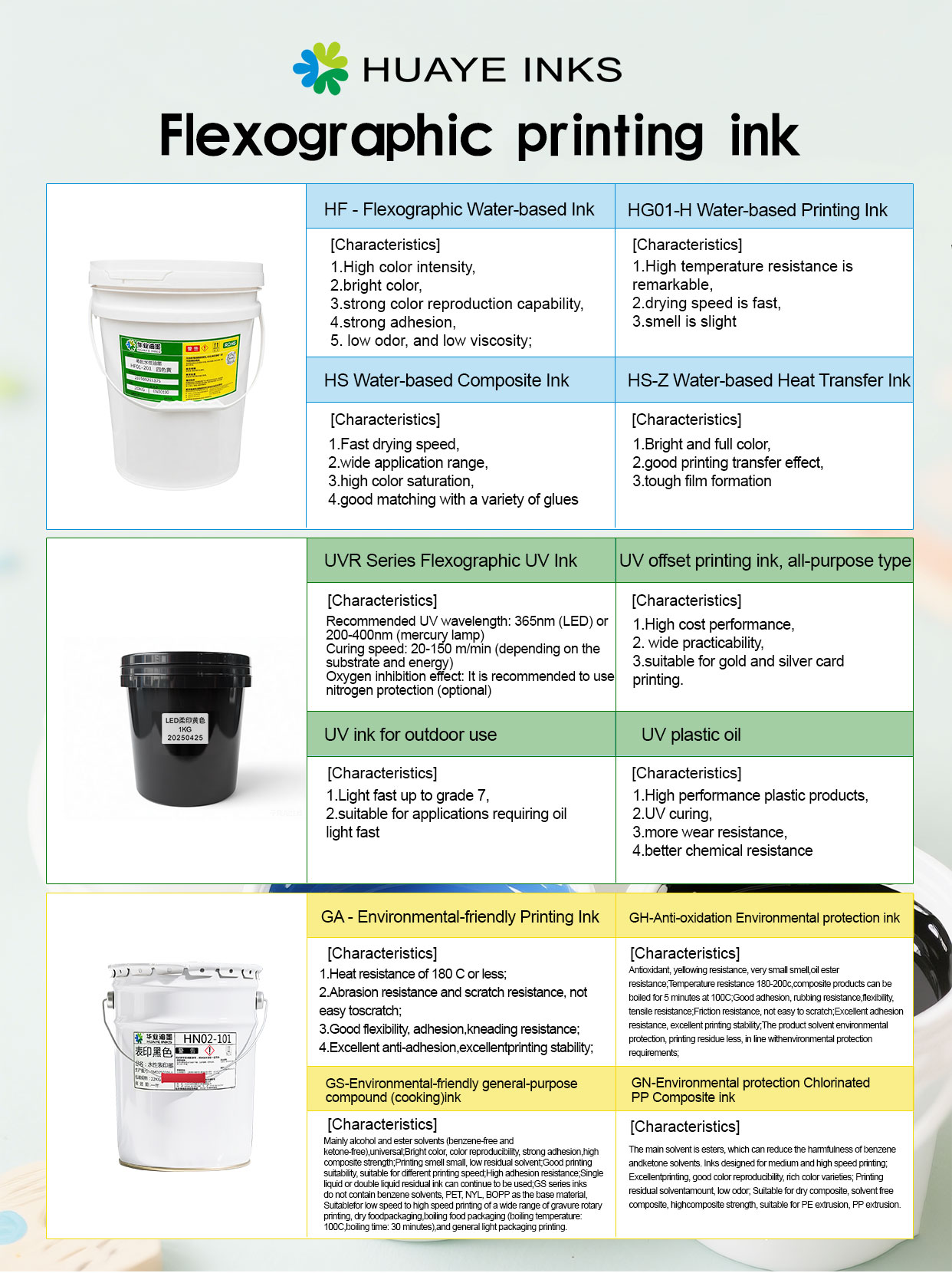
Why Standard Flexo Inks Fail on PE and OPP FilmsLow Surface Energy and Non-Polarity: The Core Adhesion BarrierPolyethylene (PE) and oriented polypropylene (OPP) films naturally have very low surface energy, usually below 35 dynes per centimeter, plus...
VIEW MORE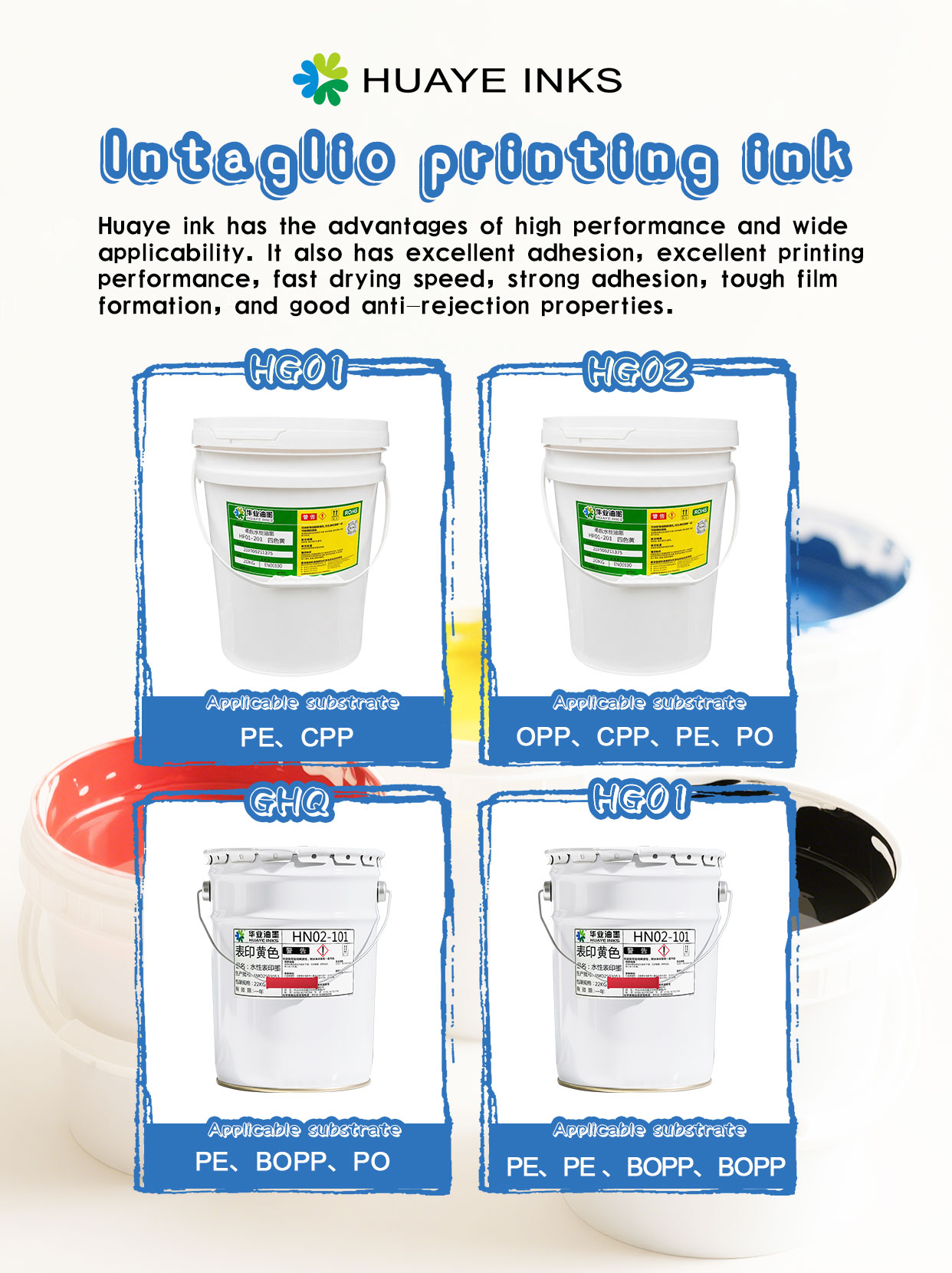
Why Standard Aqueous Intaglio Inks Fail on Plastic—Adhesion and Wettability FundamentalsSurface Energy Mismatch: PET, PP, and BOPP vs. Water-Based Ink RequirementsThe surface energy levels of common plastic packaging materials such as PET (Poly...
VIEW MORE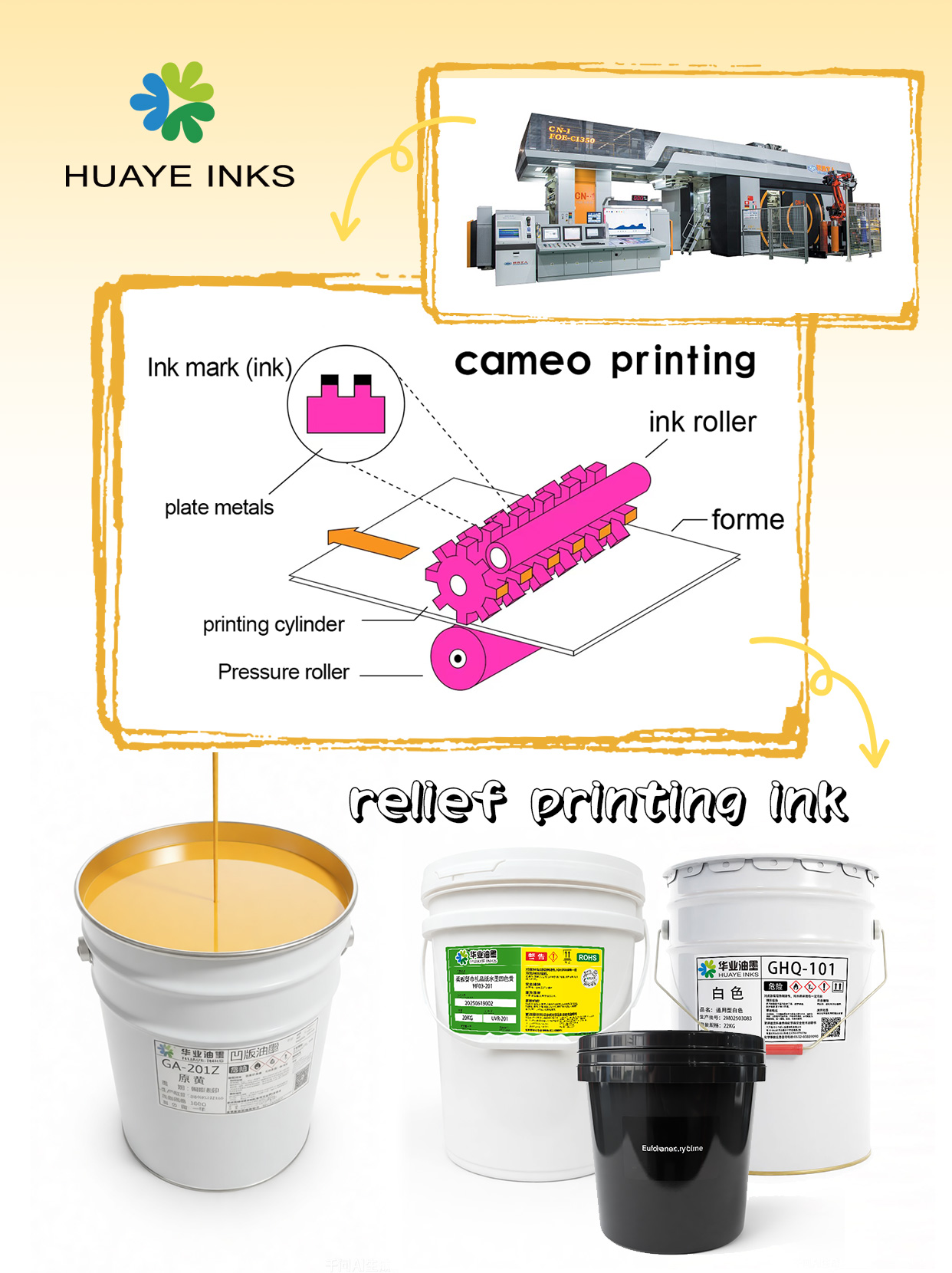
Why Cardboard Demands Customized Relief Printing InkHow corrugated board’s variable porosity, fiber structure, and surface sizing challenge standard ink performanceThe complex structure of corrugated cardboard really messes with how regular rel...
VIEW MORE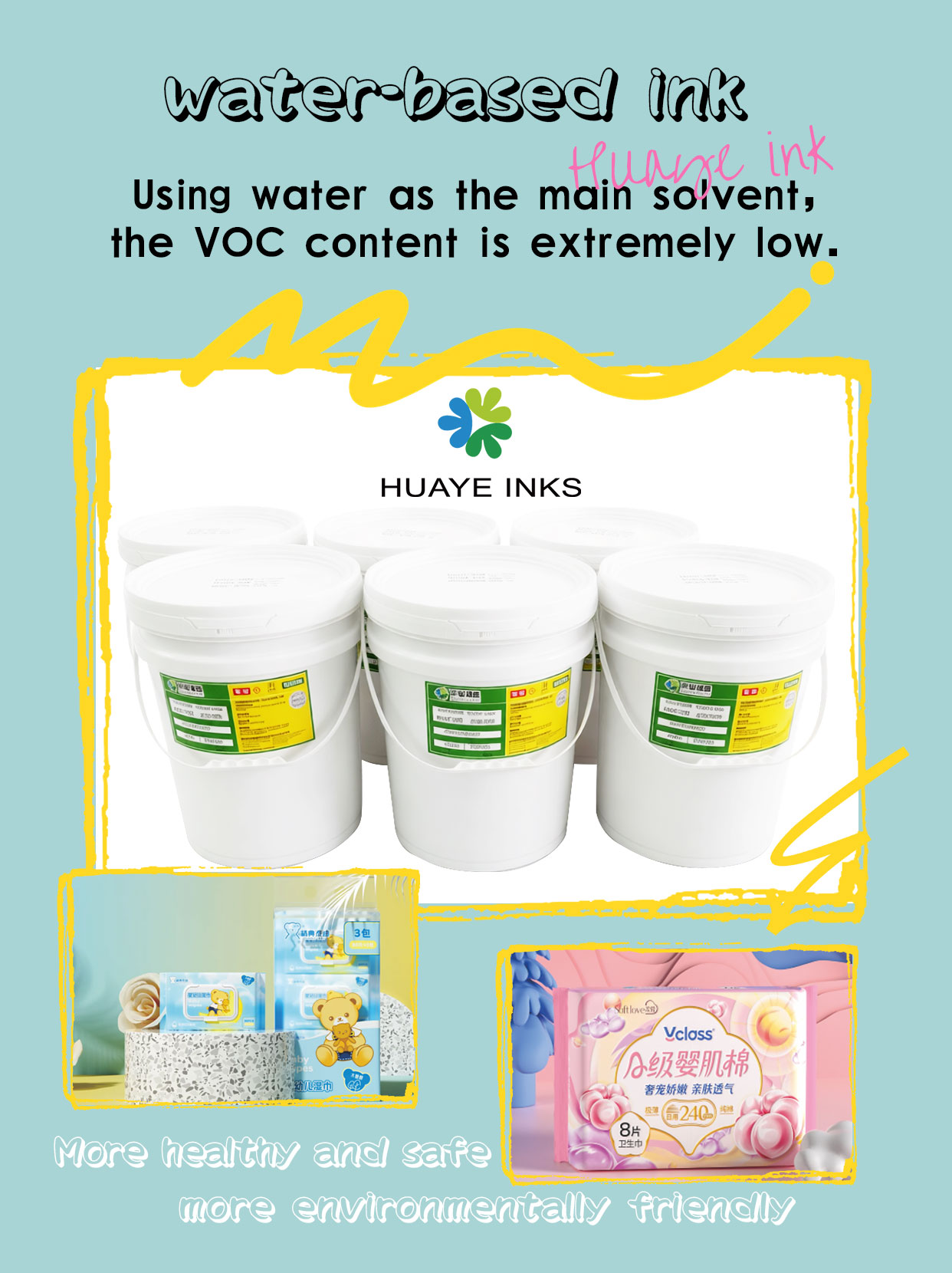
Why Low-VOC Ink for Baby and Maternal Products Is a Non-Negotiable Safety Requirement Infant Physiology and Exposure Pathways: Why VOCs and Migrating Chemicals Pose Elevated Risk Infants absorb chemicals at 10× the rate of adults due to underde...
VIEW MORE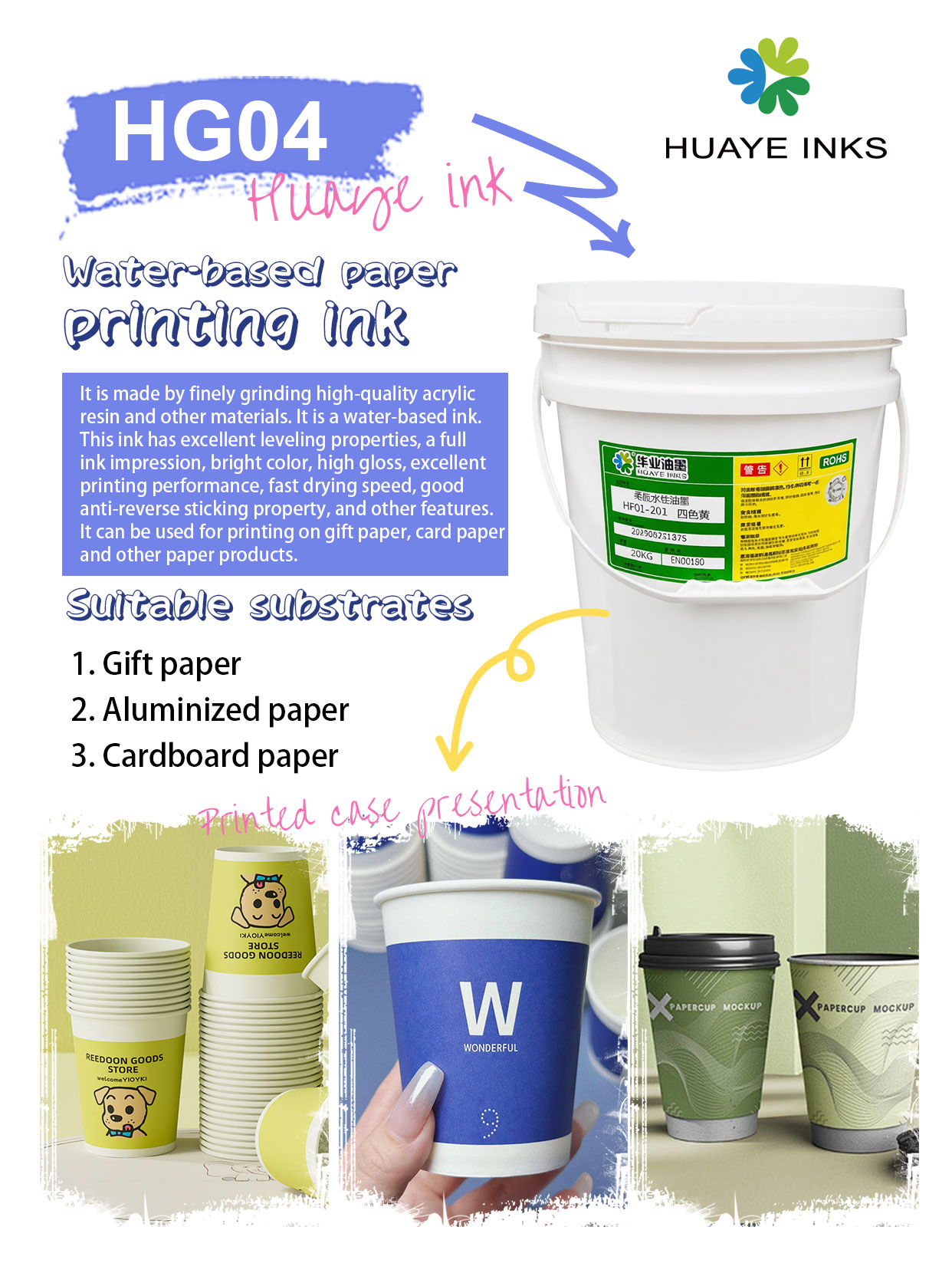
Food-Safe Flexo Ink Compliance for Paper CupsMeeting FDA 21 CFR and EU Plastics Regulation for Direct Food ContactFor paper cup makers, getting those flexographic inks right is absolutely critical since they need to meet tough food contact rules. Acr...
VIEW MORE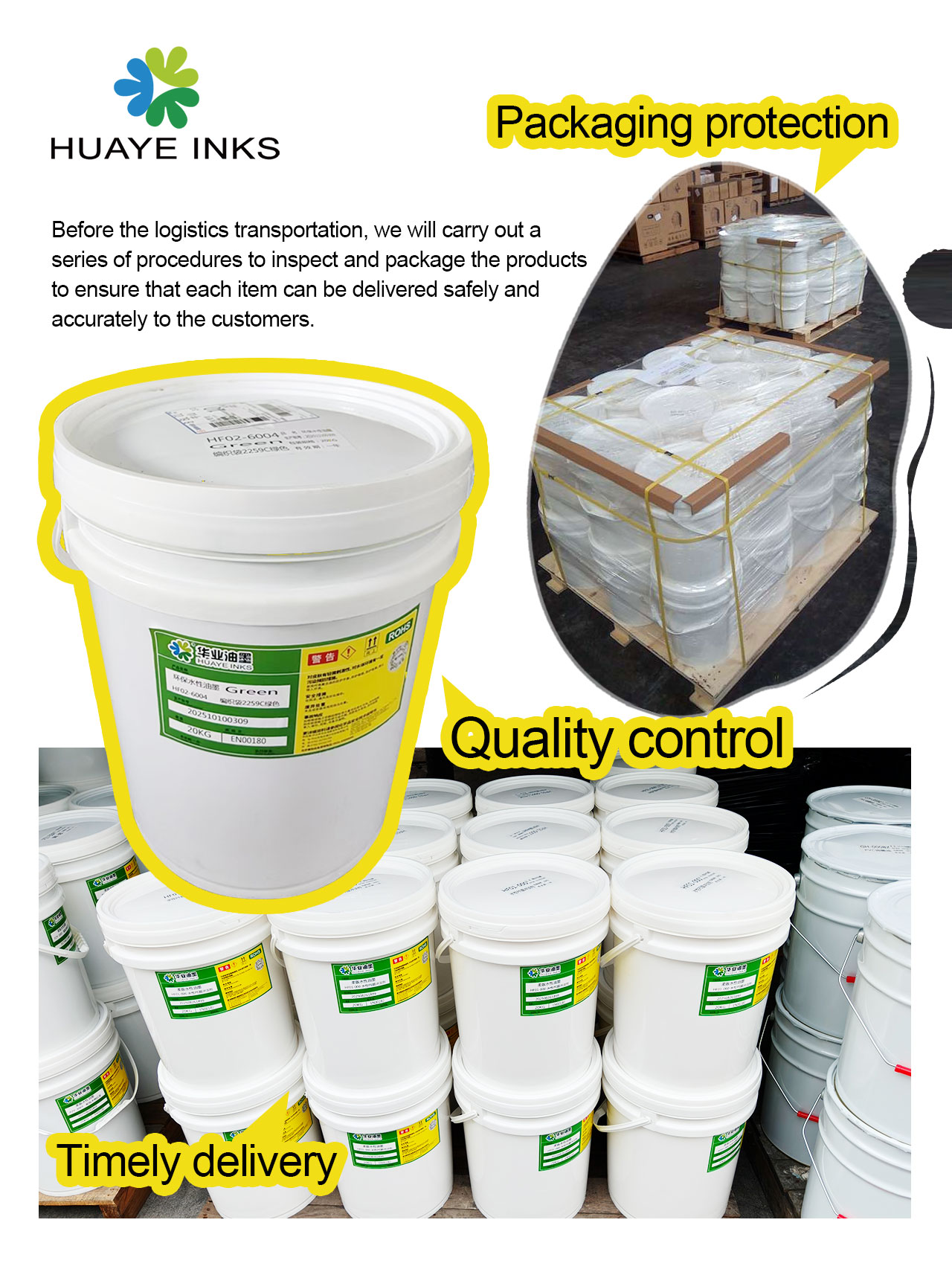
Why Batch Consistency Matters in High-Volume Flexographic PrintingConsistent ink batches matter a lot in large scale flexo printing operations because they affect both bottom line profits and how customers perceive brands. When companies churn out mi...
VIEW MORE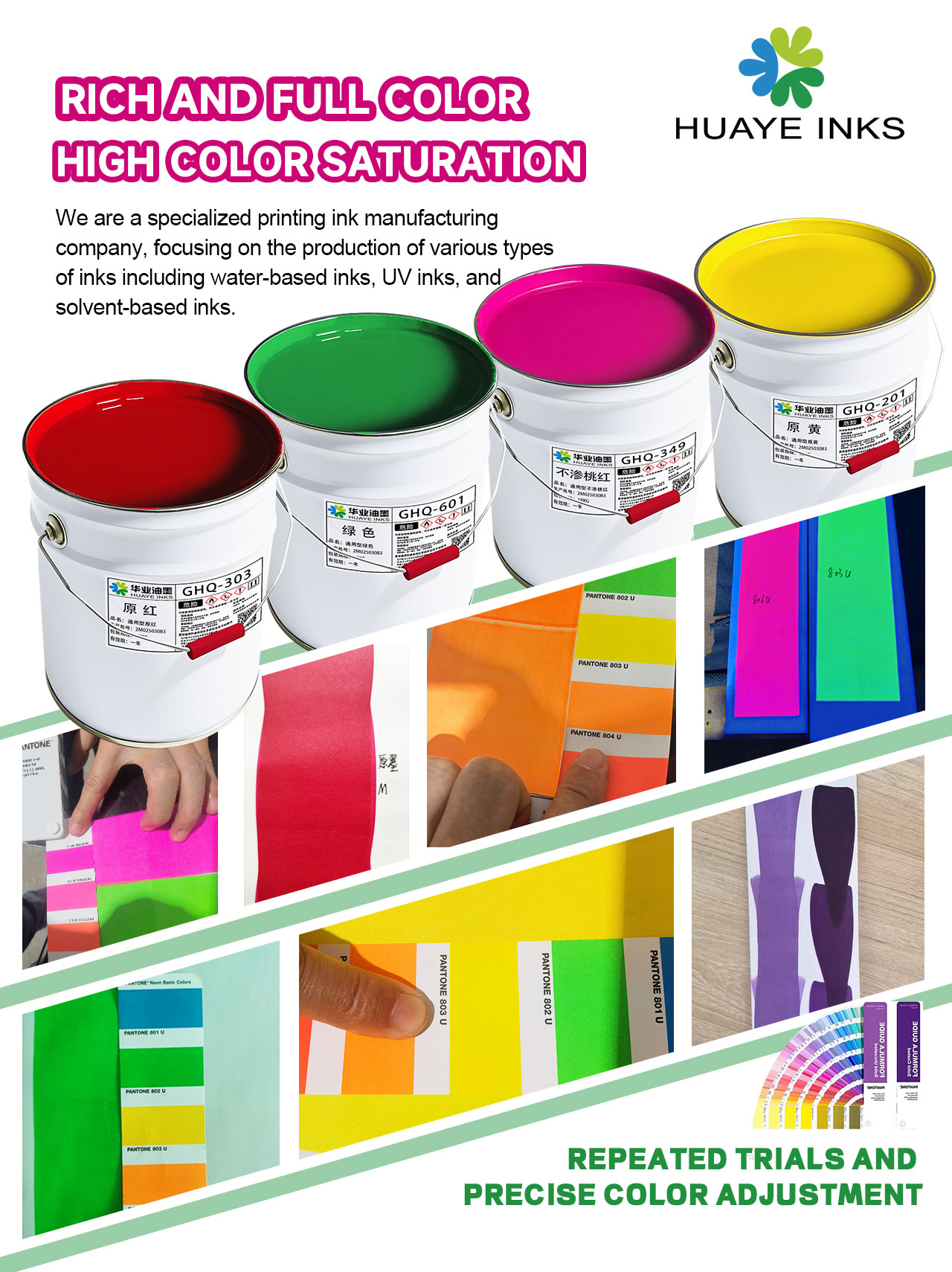
Pigment Composition: The Foundation of Printing Ink VibrancyHow pigment concentration determines color strength and opacityThe amount of pigment in printing ink plays a major role in determining how strong and opaque the colors appear. When pigments ...
VIEW MORE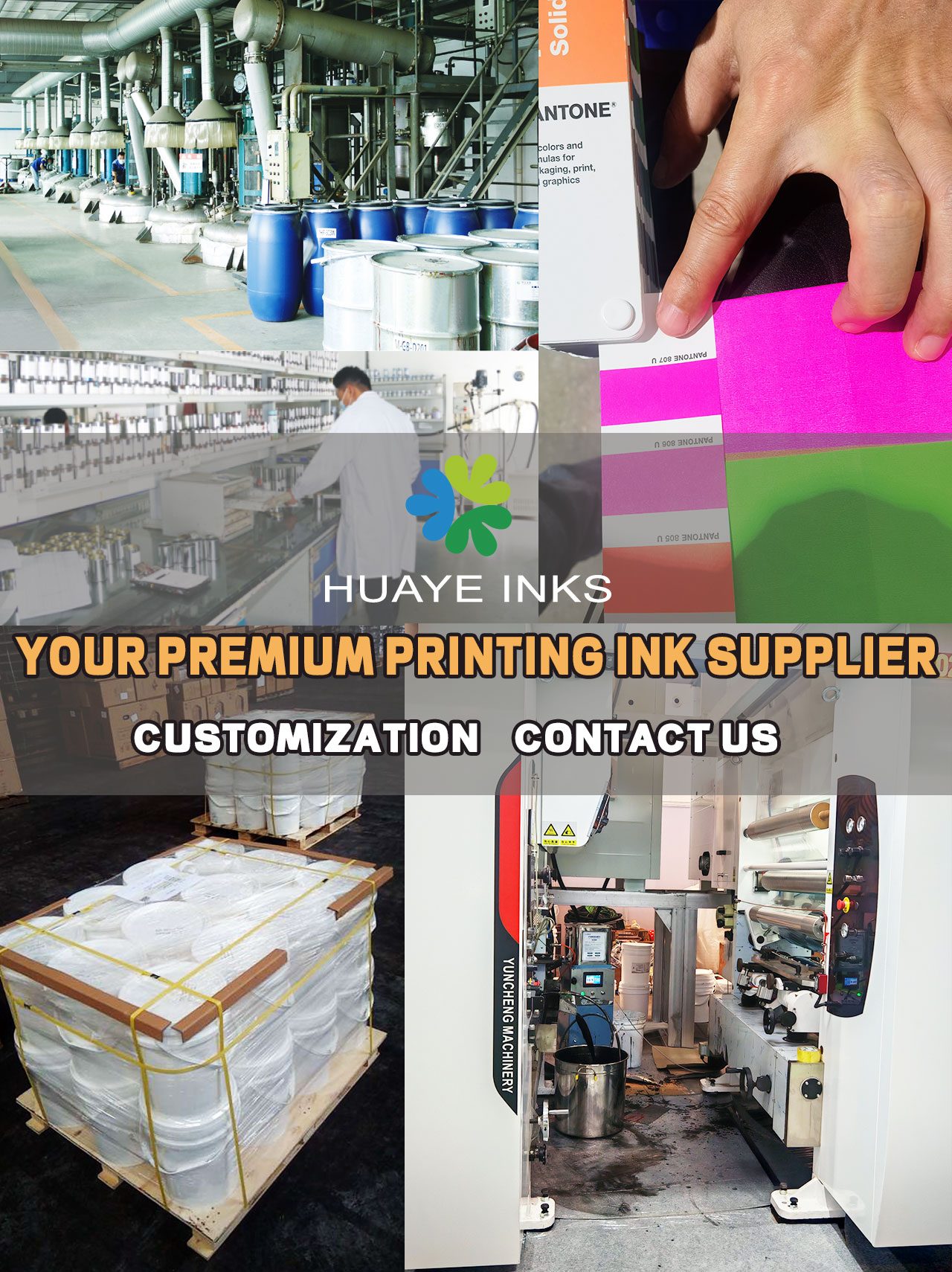
Why Industrial Applications Demand Custom Gravure Ink FormulationsLimitations of Standard Gravure Inks in High-Performance Industrial SettingsRegular gravure inks just aren't built to handle what industrial settings throw at them day after day. Throw...
VIEW MORE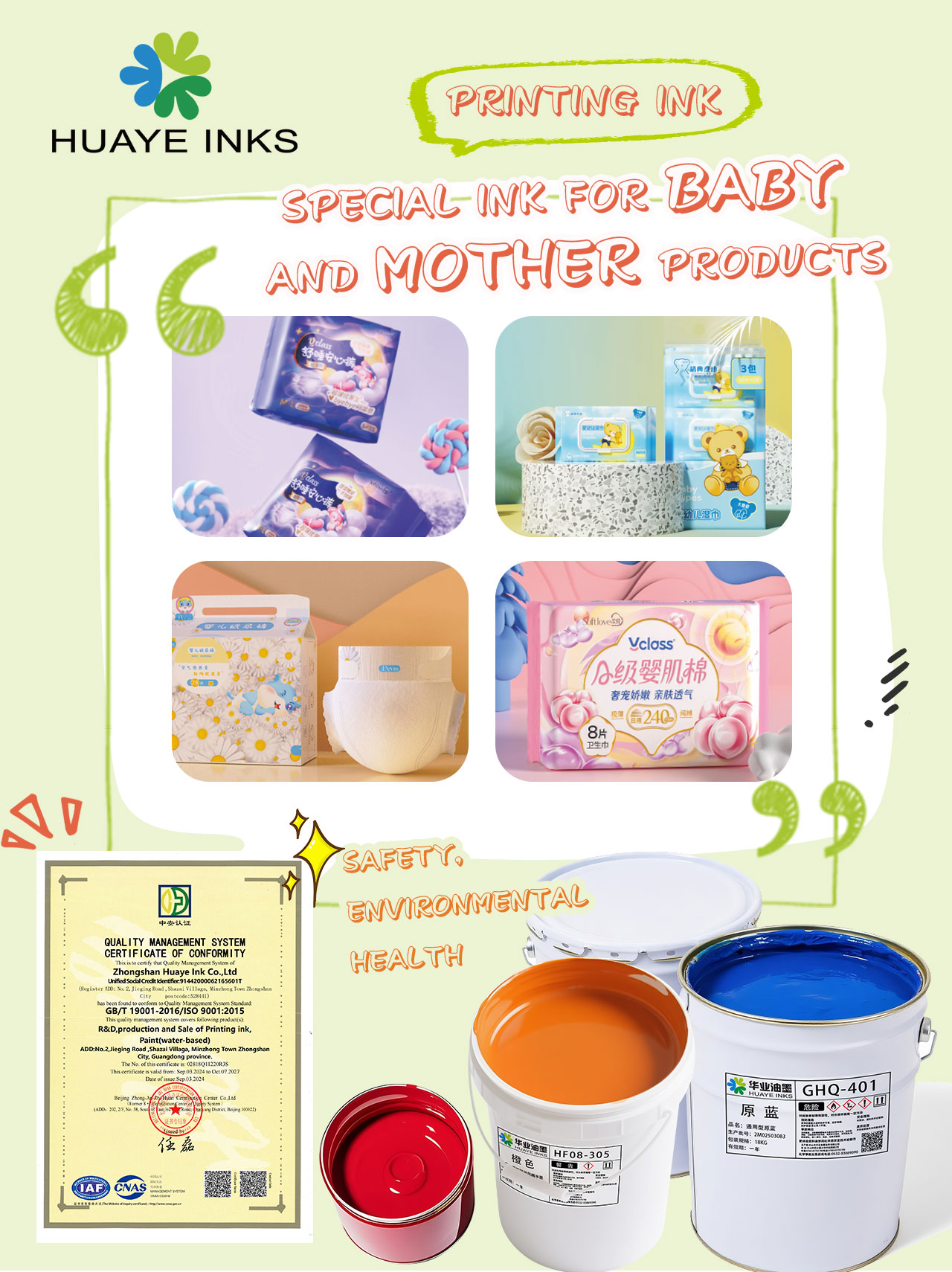
Why Ink for Baby and Maternal Products Requires Specialized Safety StandardsDevelopmental vulnerability: Dermal absorption, metabolic immaturity, and cumulative exposure risksBabies take in chemicals about ten times faster than grown-ups because thei...
VIEW MORE
We are a professional printing ink manufacturer specializing in water-based, UV, solvent-based inks. OEM&ODM service, timely delivery.
No.2 Jieqing Road ,Shazai industrial Park, Minzhong Zhongshan City, Guangdong Province
Copyright © 2025 by HUAYE INK&PAINT CO.,LTD Privacy Policy

 EN
EN