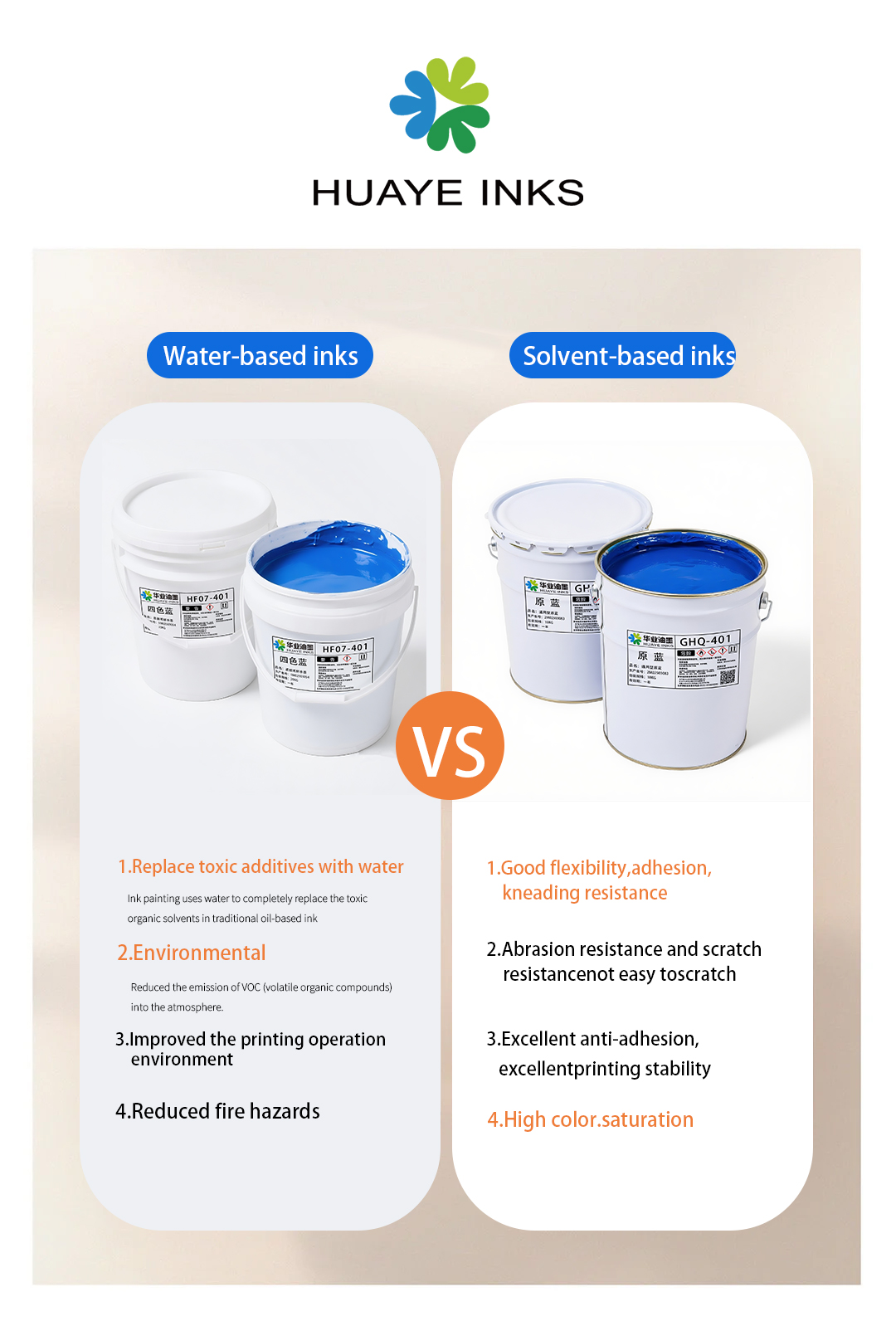
Flexographic printing inks are engineered fluid systems pivotal to the success of the flexography process, renowned for its adaptability and efficiency in printing on uneven and flexible surfaces. The core components include colorants (pigments or dyes), binders (resins that form the film), carriers (water, solvent, or reactive monomers for UV), and a suite of performance-enhancing additives. The selection of the binder resin is particularly critical as it dictates adhesion, gloss, and resistance properties. Acrylic resins are common in water-based systems for paper and board, while polyurethane resins are favored in solvent-based systems for film printing due to their superior flexibility and chemical resistance. In UV flexo, epoxy acrylates or urethane acrylates provide the cross-linked network for extreme durability. The printing process itself imposes stringent demands on ink behavior. During metering by the anilox roll, the ink must have a low enough viscosity to fill the cells completely but sufficient cohesion to be cleanly doctored. Upon transfer to the plate, the ink's tack and adhesion must be precisely controlled to prevent dot gain or bridging in fine highlights. Finally, the transfer to the substrate requires optimal wetting, which is a function of the ink's surface tension relative to the substrate's surface energy. A common challenge in printing on non-porous plastics like PET or OPP is inadequate adhesion, which can be addressed through surface treatment (e.g., corona, flame) and by formulating inks with appropriate wetting agents and adhesion promoters. Consider the application of printing flexible packaging for frozen foods. The ink layer must possess exceptional flexibility to resist cracking at low temperatures, often down to -30°C, and must also have high resistance to abrasion to maintain graphic integrity throughout the cold chain, including during transportation and storage. A failure here could lead to graphic degradation, negatively impacting brand perception. Another scenario is the printing of multi-wall bags for cement or chemicals, where the ink must not only adhere to the woven PP surface but also resist fading from prolonged UV exposure and withstand rough handling. For such applications, high-performance pigment systems and robust resin chemistry are essential. The industry's drive towards sustainability is also shaping ink development. Water-based flexo inks for paper and board applications are seeing advancements in renewable resin content and reduction of hazardous substances. UV LED curing technology is gaining traction due to its lower energy consumption, instant on/off capability, and longer lamp life compared to traditional mercury arc lamps, and it requires inks formulated with specific photoinitiators sensitive to the LED wavelength, typically 395 nm. Quality control in flexo ink manufacturing involves rigorous testing of parameters like fineness of grind, viscosity stability, color strength, and hue angle. To discuss your specific substrate, press configuration, and end-use requirements, and to learn how our tailored flexographic ink solutions can deliver consistent, high-quality results for your production, we invite you to contact our specialists for comprehensive support and detailed product information.