
 EN
EN
How Porosity Affects Ink Absorption and Adhesion
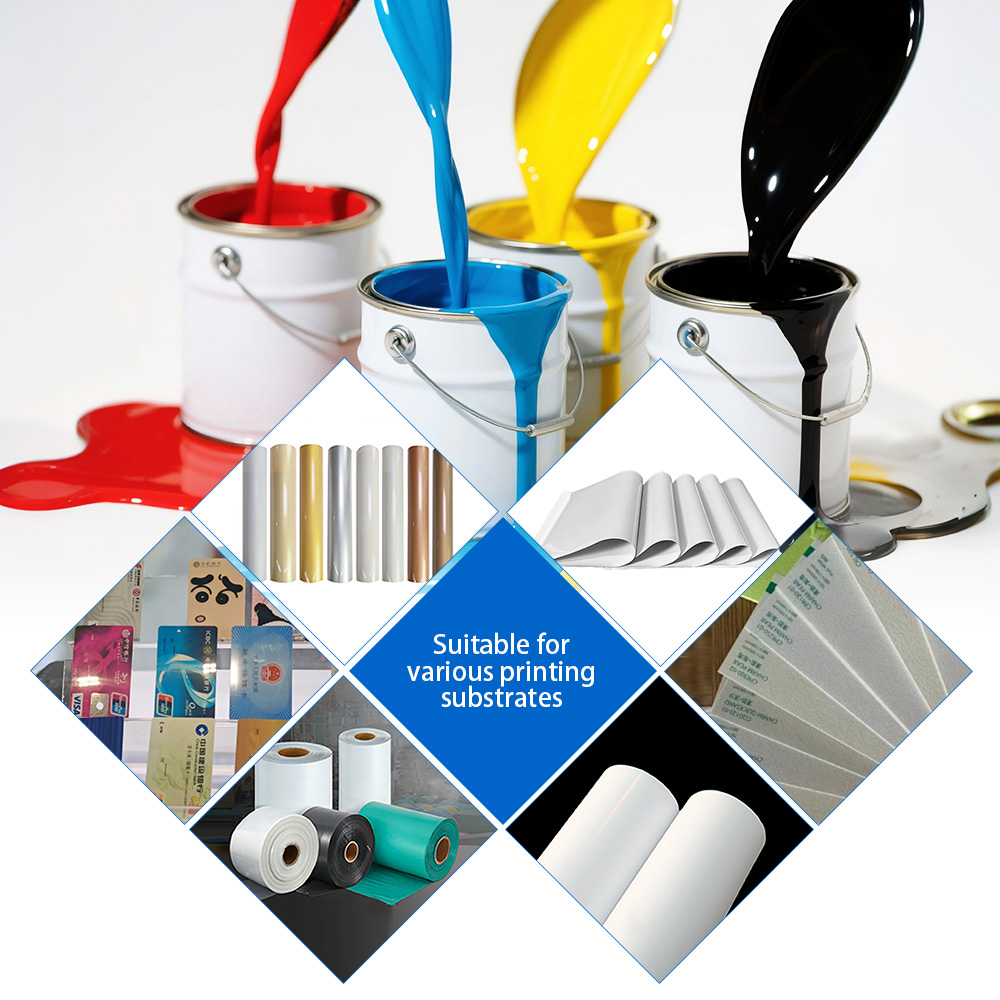
Paper and uncoated cardboard have tiny holes at the microscopic level that let printing inks seep down through them vertically while also spreading out sideways into those dead-end pockets. Because of this unique structure, ink dries about 30 to 50 percent quicker than on surfaces without these pores, according to various studies looking at how different pore sizes affect filtration. The deeper the pores go, the better the adhesion gets too. Materials with really deep through-pores actually hold around 23% more ink inside them, which means far less smearing happens when printers are running at top speed.
Capillary Action in Paper and Cardboard: Why Water-Based Inks Work Well
Capillary action draws water-based inks into the fibrils of porous substrates, producing sharper edges and uniform color distribution. For instance, 90# kraft paper absorbs 1.2 ml/m² of aqueous ink within 0.8 seconds, minimizing dot gain. This rapid uptake reduces dependency on external drying systems, lowering energy costs by 15–20% in packaging operations.
Surface Energy Challenges With Non-Porous Substrates Like Vinyl and Plastic
Materials that don't absorb liquids, like PVC which has about 34 dynes per centimeter surface energy, or polypropylene at around 29 dynes per cm, tend to push away water based inks because they just don't have enough surface energy. For these surfaces to work properly with printing, most people end up using solvent based inks that have surface tension under 25 dynes per cm. There's another trick too surface treatments can really help boost how well ink sticks to these materials, sometimes making a difference of anywhere between 40% to maybe even 60%. This kind of problem isn't unique either; similar issues come up when trying to print on smooth stones or other hard to treat surfaces in industrial settings.
Case Study: Water-Based Inks on Corrugated Board in Packaging
A 2023 trial using E-flute corrugated board found that water-based inks reduced VOC emissions by 98% compared to solvent-based systems while achieving 99.5% print opacity. The board’s porous flute structure absorbed excess ink, eliminating the need for anti-setoff powders and saving $0.04 per square foot in material costs.
Trend: Growing Demand for Fast-Drying, Low-Odor Water-Based Printing Inks
Driven by ISO 14001 compliance goals, 37% of packaging converters now use water-based inks on porous substrates. Advances in acrylic-modified resins have cut drying times to 1.2 seconds–down from 2.8 seconds in 2020–enabling direct printing on recycled corrugated materials without pre-coating.
Matching Ink Types to Common Printing Materials
Paper and Cardboard: Balancing Ink Absorption and Print Clarity
Most paper printing relies on water based inks because they work well with the porous nature of paper fibers and can produce really crisp details. The latest data from paper substrate studies indicates that when working with uncoated cardboard, many printers actually thin out their ink by around 18 to 22 percent. This helps avoid that annoying feathering effect where ink spreads too much, getting the right balance between how much gets absorbed into the paper and maintaining good color intensity. For coated papers, things get a bit different. Print shops tend to go for these special hybrid water based formulas mixed with acrylic stuff. These combinations stick better to surfaces but still keep the paper recyclable. About a third of all commercial printing operations have made the switch to these types of formulations recently.
Vinyl and Flexible Plastics: Advantages of Solvent-Based Printing Inks
Solvent based inks work really well on materials that don't absorb much liquid, such as PVC and polypropylene. The ink dries fast here too, usually within around 10 to 25 seconds when the temperature is about 20 degrees Celsius, which helps create strong film layers. According to research published in the Flexographic Printing Journal last year, these types of inks kept their stickiness at about 98% even after sitting outside for more than 500 hours. That's pretty impressive compared to water based options that struggle with moisture, showing roughly 53% better resistance to humidity according to the same tests. Because they stand up so well against chemicals and sunlight damage, many manufacturers prefer solvent based inks for things like car stickers and big billboards that need to last through all kinds of weather conditions.
Fabric and Textiles: Dye-Sublimation and Pigment Inks Compared
When heated to around 190-210 degrees Celsius, dye sublimation inks actually fuse into polyester fibers, creating colors that span about 120% more than what pigment inks can achieve. But when it comes to cotton blends, pigment inks still dominate the market with roughly 72% usage because they hold up better after repeated washing. No need for any special pretreatment either, which matters a lot for clothing that goes through over fifty industrial laundry cycles. The newer generation of latex hybrid inks is making waves too, managing to keep about 85% of their color vibrancy on synthetic fabrics while relying on water based formulas. These innovations are slowly closing the gap between different printing technologies in the textile industry.
Rigid Plastics: Why UV-Curable Inks Ensure Durability and Scratch Resistance
When exposed to 395nm LED light, UV curable inks harden almost immediately, creating strong cross linked films that pass the 4H pencil hardness test according to ISO standards. Real world testing indicates that prints made with these inks on polycarbonate surfaces maintain around 90 percent resistance to wear even after sitting in warehouses for 18 months, which is roughly 40 percent better than what we see with traditional solvent based printing methods. Another big plus is that this technique completely removes VOC emissions from the equation, something that aligns perfectly with upcoming EU regulations set for 2025 which restrict volatile organic compounds to below 1 gram per square meter. Many manufacturers are already switching to this method not just because it meets legal requirements but also because it simply works better in practice.
Water-Based vs Solvent-Based Inks: Performance and Environmental Trade-offs
Environmental and Safety Benefits of Water-Based Printing Inks
Switching to water based inks cuts down on those nasty VOC emissions by around 80% when compared with traditional solvent based options. This makes for safer working conditions inside print shops and helps companies stay compliant with environmental regulations. Since water is basically just H2O, it replaces all those harmful chemicals that used to pollute the air during printing operations. Many businesses have found this change beneficial too. A recent study from the 2024 Industrial Print Safety Report shows facilities that made the switch saw about 45% less problems related to chemical exposure among their staff. Of course, not everyone jumps on board right away, but the numbers speak for themselves in most cases.
Superior Adhesion of Solvent-Based Inks on Chemically Resistant Surfaces
When it comes to bonding with materials such as polyethylene which have low surface energy, solvent based inks really shine because they create those powerful chemical connections. Tests from last year showed these inks sticking at around 98 percent, which is actually about 62 percent better than what we see with water based alternatives. That kind of grip means they work great for things like billboards or packaging labels that need to hold up against rain, sunlight damage, and general wear and tear over time. On the flip side though, there's something important manufacturers need to consider here. These solvent based products release more volatile organic compounds into the air, so proper ventilation systems become absolutely necessary if companies want to stay within current environmental standards and health codes.
Balancing Eco-Friendliness and Performance in Industrial Applications
Hybrid solutions such as eco-solvent inks offer 30–50% lower VOC content than traditional solvent inks while maintaining reliable adhesion on challenging surfaces. UV-curable water-based variants are emerging, reducing curing energy use by 25%. In high-volume packaging, bio-based solvents derived from renewable sources provide comparable durability with a 60% smaller carbon footprint.
Durability Requirements Based on Application Environment
Selecting the right ink formulation requires matching physical resilience to environmental stressors while preserving visual quality across diverse use cases.
Fade Resistance and Archival Quality for Fine Art and Photo Printing
Museum-grade prints rely on pigment-based inks with archival stability, maintaining 98% color integrity for over 100 years under controlled lighting. Acrylic-encapsulated pigments now achieve fade resistance rated below ΔE<2 after 500 lux/year exposure, meeting strict conservation standards.
Water and Chemical Resistance for Outdoor Signage and Product Labels
Outdoor applications demand inks resistant to moisture, UV radiation, and pollution. Solvent-based inks with integrated UV stabilizers demonstrate 85% better weather resistance in coastal environmental testing. For chemical exposure, screen-printed epoxy-modified resins resist degradation from automotive fluids and industrial cleaners.
The Gloss Paradox: High Aesthetic Appeal vs Reduced UV Protection
While high-gloss finishes enhance color vibrancy, they increase UV degradation through light refraction. Matte UV-curable inks offer superior protection, retaining 90% adhesion strength after 2,000 hours of QUV testing–compared to just 63% for glossy equivalents.
Use Cases: Banners, Food Packaging, Office Documents, and Retail Labels
- Retail banners: Solvent-based inks with 3-year outdoor durability
- Food packaging: FDA-compliant water-based flexo inks
- Office documents: Fast-drying laser printer toners
- Pharma labels: Alcohol-resistant thermal transfer ribbons
Temperature and Humidity Resilience in Logistics and Storage Environments
UV-cured inks function reliably across -40°C to 80°C ranges and outperform conventional inks by 40% in humidity cycling tests, according to MDPI research from 2023. Silicone-modified formulations prevent cracking during rapid temperature shifts, making them ideal for cold chain logistics where products move from freezer to room temperature environments.
FAQ Section
What is the difference between porous and non-porous substrates?
Porous substrates, like paper and uncoated cardboard, have tiny microscopic holes that allow inks to absorb quickly, while non-porous substrates, like vinyl and plastic, resist liquid absorption due to lower surface energy.
Why are water-based inks preferred for porous substrates?
Water-based inks work well with porous substrates due to capillary action that ensures sharp edges, quick drying, and reduced energy costs associated with external drying systems.
What challenges do non-porous substrates present for printing?
Non-porous substrates, like vinyl and plastic, require solvent-based inks and surface treatments to improve ink adhesion, as they have low surface energy that repels water-based inks.
How do environmental factors affect ink choice?
Different environmental stressors, such as UV exposure and moisture, require specific ink formulations for durability, such as solvent-based inks for outdoor signage and UV-curable inks for rigid plastics.
Table of Contents
- How Porosity Affects Ink Absorption and Adhesion
- Capillary Action in Paper and Cardboard: Why Water-Based Inks Work Well
- Surface Energy Challenges With Non-Porous Substrates Like Vinyl and Plastic
- Case Study: Water-Based Inks on Corrugated Board in Packaging
- Trend: Growing Demand for Fast-Drying, Low-Odor Water-Based Printing Inks
- Matching Ink Types to Common Printing Materials
- Water-Based vs Solvent-Based Inks: Performance and Environmental Trade-offs
-
Durability Requirements Based on Application Environment
- Fade Resistance and Archival Quality for Fine Art and Photo Printing
- Water and Chemical Resistance for Outdoor Signage and Product Labels
- The Gloss Paradox: High Aesthetic Appeal vs Reduced UV Protection
- Use Cases: Banners, Food Packaging, Office Documents, and Retail Labels
- Temperature and Humidity Resilience in Logistics and Storage Environments
- FAQ Section