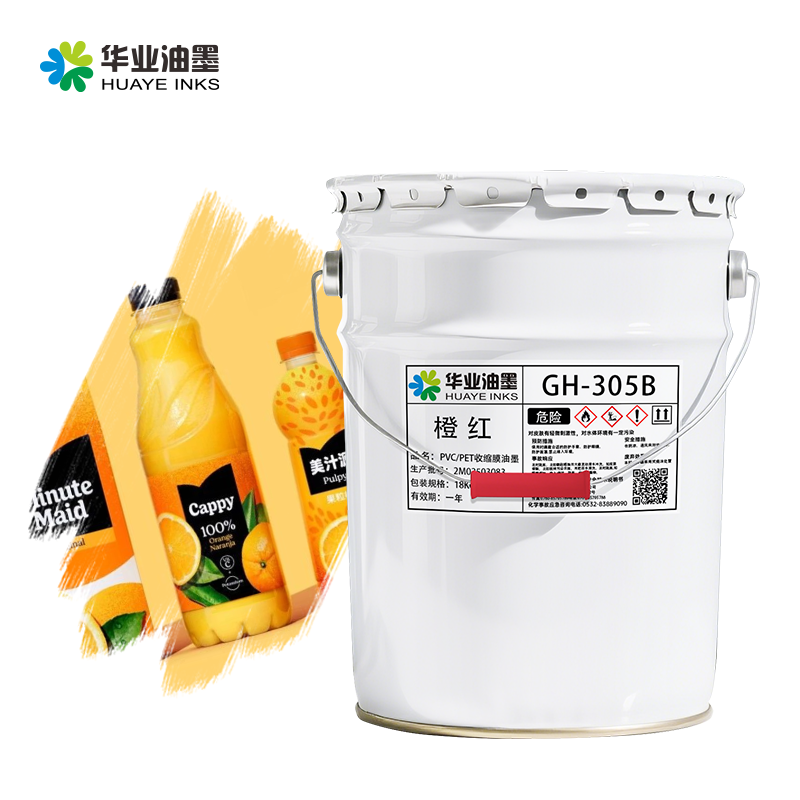

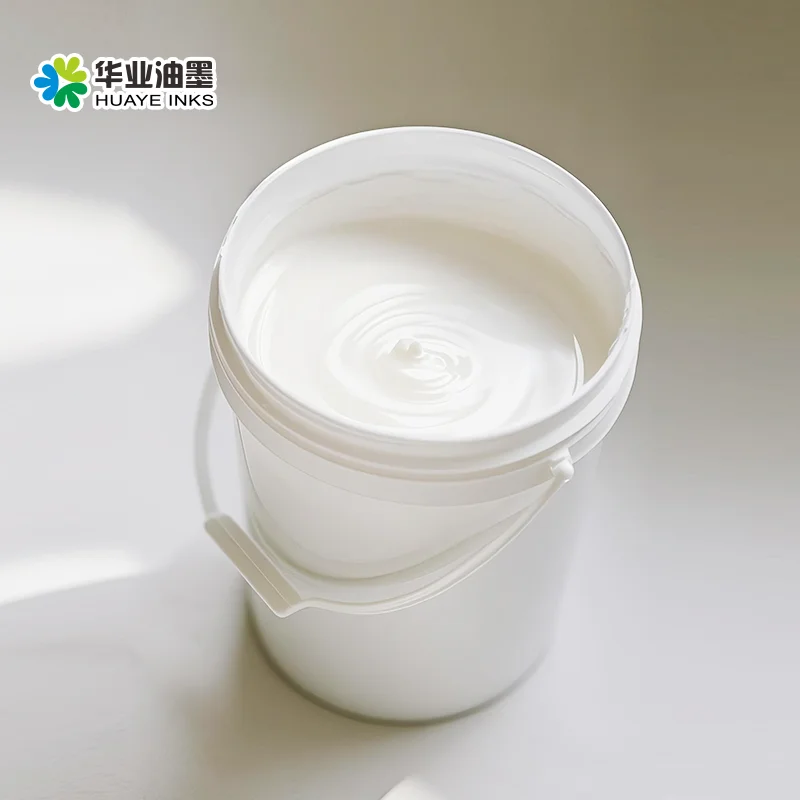
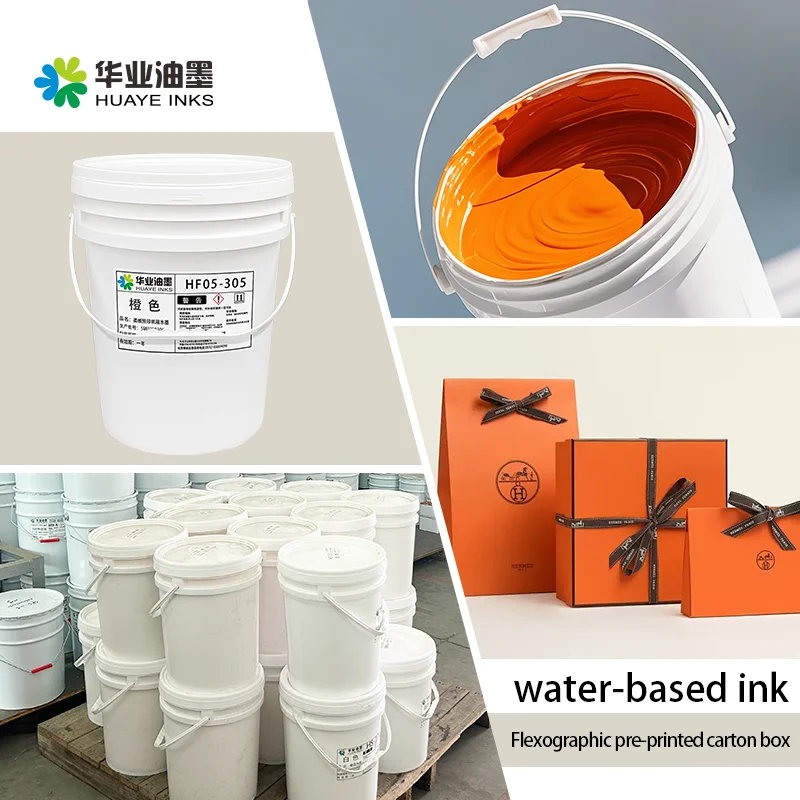
Gravure printing ink is a specialized type of ink that plays a pivotal role in the gravure printing process, a high - quality and high - volume printing method widely used across various industries. The unique characteristics of gravure printing ink are tailored to meet the specific requirements of this printing technique, which involves transferring ink from engraved cells on a printing plate to the substrate. One of the key features of gravure printing ink is its viscosity. It needs to have an optimal viscosity level to ensure smooth filling of the engraved cells on the gravure plate and efficient transfer to the substrate. If the viscosity is too high, the ink may not flow properly into the cells, leading to incomplete prints or uneven ink laydown. Conversely, if the viscosity is too low, the ink may spread uncontrollably, causing issues like smudging and blurring. Manufacturers carefully formulate gravure printing inks with specific solvent - binder - pigment ratios to achieve the ideal viscosity for different printing applications. Color performance is another crucial aspect of gravure printing ink. These inks are designed to provide excellent color saturation, accuracy, and consistency. They can reproduce a vast range of colors with high fidelity, making them suitable for applications where precise color matching is essential, such as in packaging for branded products and high - end publications. The pigments used in gravure printing inks are often of high quality and are finely dispersed to ensure uniform color distribution and prevent pigment agglomeration, which could affect the print quality. Durability is also a significant consideration for gravure printing ink. The printed materials, especially those used for packaging, are often subjected to various environmental factors, mechanical stresses, and handling during storage and transportation. Gravure printing inks are formulated to have good resistance to abrasion, moisture, chemicals, and UV radiation. This ensures that the printed images and text remain intact, maintaining the visual appeal and brand identity of the products. Furthermore, gravure printing ink comes in different types, including solvent - based, water - based, and UV - curable inks, each with its own advantages and applications. Solvent - based inks have been traditionally popular due to their fast - drying properties and good adhesion to various substrates. However, with growing environmental concerns, water - based and UV - curable gravure printing inks are gaining more traction for their reduced environmental impact and improved performance characteristics.