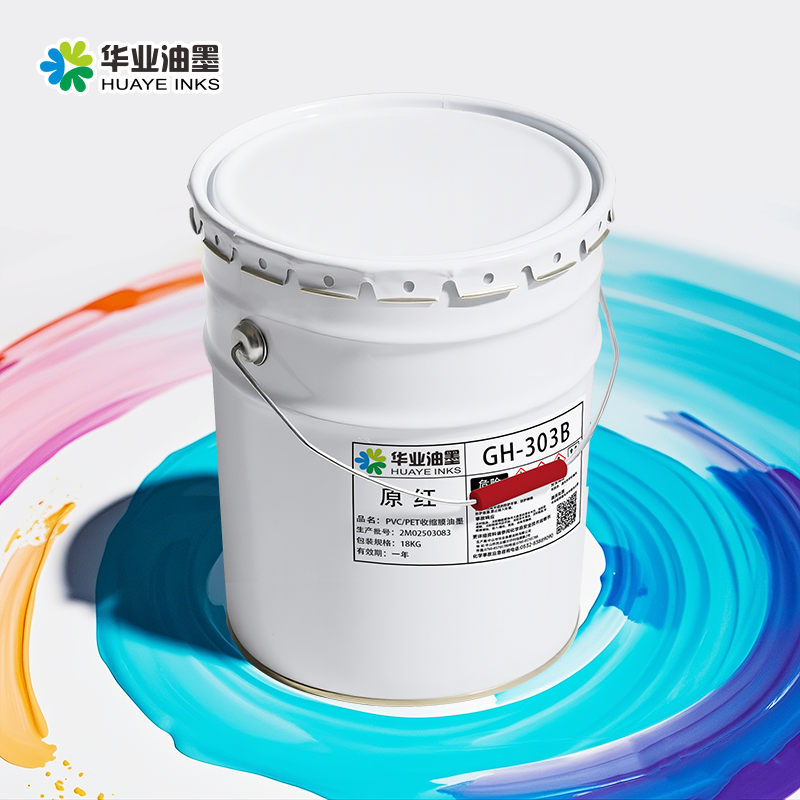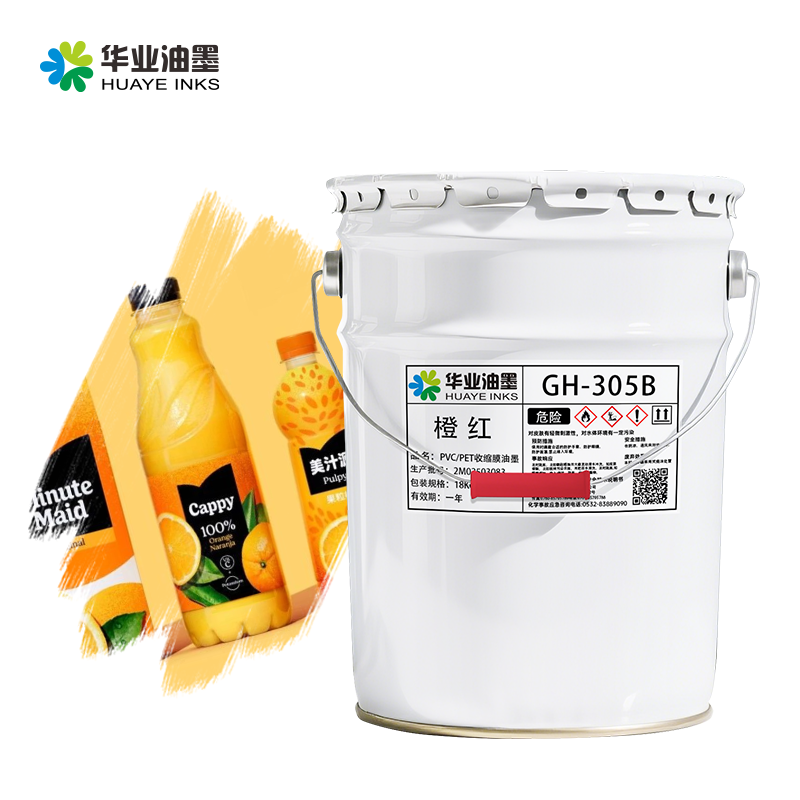

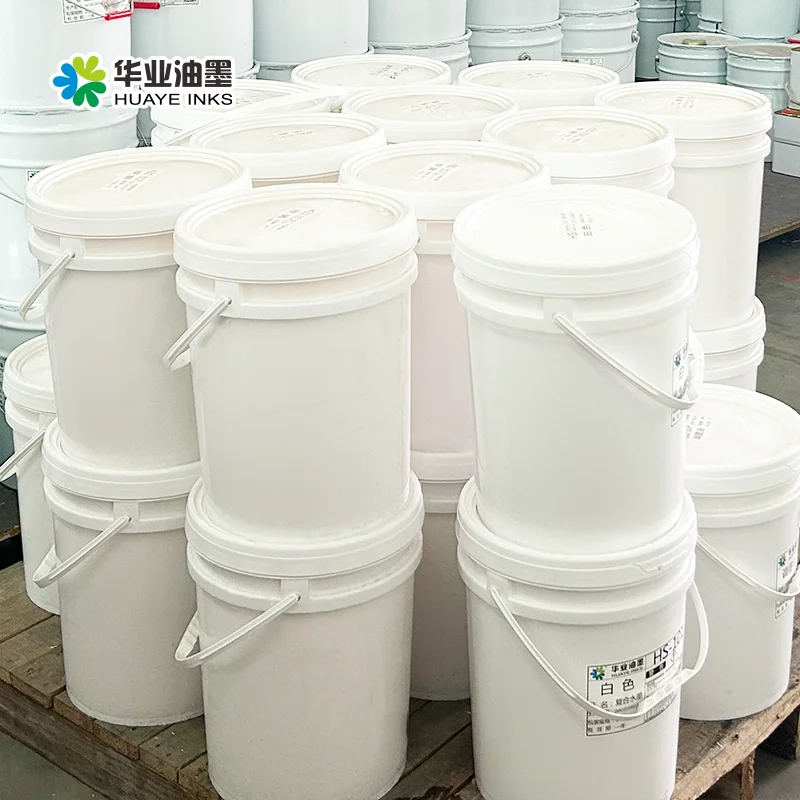
Gravure ink is a fundamental component in the gravure printing process, a highly precise and efficient printing technology utilized in numerous industries for large - scale production of high - quality printed materials. The properties of gravure ink are meticulously engineered to meet the unique demands of the gravure printing method, which involves the transfer of ink from engraved cells on a printing cylinder to a substrate. The composition of gravure ink typically includes pigments, binders, solvents, and additives. Pigments are responsible for the coloration of the printed image, and in gravure ink, high - quality pigments are selected to ensure vivid, accurate, and consistent colors. These pigments are finely ground and dispersed to prevent sedimentation and ensure even distribution within the ink, resulting in sharp and detailed prints. The binders in gravure ink play a crucial role in holding the pigments together and adhering the ink to the substrate. They form a continuous film on the substrate surface after the solvent evaporates or cures, providing durability and protecting the printed image. Different types of binders are used depending on the substrate and the application requirements, such as enhancing adhesion to plastic films or improving the flexibility of the printed ink film on paper. Solvents in gravure ink serve multiple functions. They dissolve the binders and disperse the pigments, adjusting the ink's viscosity to an appropriate level for filling the engraved cells on the gravure plate and facilitating smooth ink transfer. The choice of solvent also affects the drying speed of the ink. Solvent - based gravure inks dry relatively quickly through solvent evaporation, which is beneficial for high - speed printing processes. However, with increasing environmental regulations, water - based and UV - curable gravure inks are being developed as more sustainable alternatives, offering similar performance while reducing the emission of volatile organic compounds (VOCs). Additives are often incorporated into gravure ink to optimize its performance. These can include defoamer to prevent foam formation during the printing process, drying accelerators to speed up the evaporation of solvents in solvent - based inks, and leveling agents to ensure a smooth and even ink film on the substrate. Gravure ink is widely used in applications such as packaging (for products like food, beverages, and consumer goods), magazine printing, and label production. Its ability to produce high - quality, consistent prints at high speeds makes it an indispensable choice for industries that require large - volume, high - precision printing.