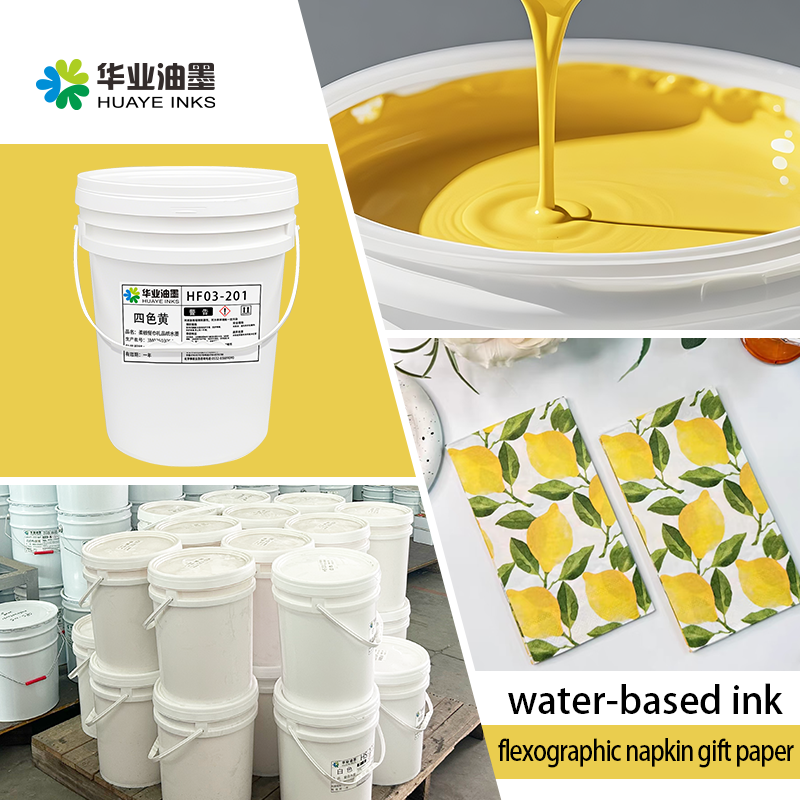

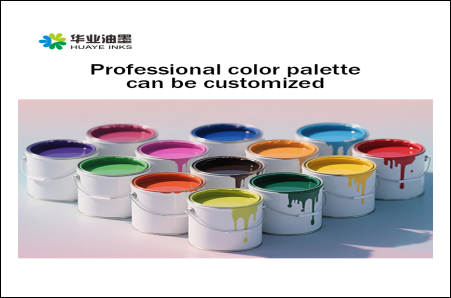
Ink flexo, or flexographic ink, is the lifeblood of the flexographic printing process, a widely adopted method in the packaging, label, and commercial printing sectors. This specialized ink is designed to meet the unique requirements of flexographic printing, which involves the transfer of ink from a flexible relief plate to a substrate. The formulation of ink flexo is a complex balance of components. Viscosity is a critical property; the ink must have the right consistency to effectively fill the cells of the anilox roll, a key component in flexographic printing that meters the ink onto the printing plate. If the viscosity is too high, the ink may not flow properly, leading to ink starvation and incomplete prints. Conversely, if it's too low, the ink may spread excessively, causing blurring and poor image quality. Surface tension is also carefully adjusted to ensure that the ink wets the plate and substrate evenly, promoting uniform ink coverage. Ink flexo is available in various types, each with its own set of characteristics. Solvent - based flexographic inks have historically been popular due to their good adhesion to non - porous substrates, fast drying speed, and excellent color performance. However, environmental concerns have led to a growing shift towards more sustainable alternatives. Water - based flexographic inks, which use water as the primary solvent, offer reduced VOC emissions, making them more environmentally friendly and suitable for applications where odor and toxicity are concerns, such as food packaging. UV - curable flexographic inks have also gained prominence, especially in applications requiring fast drying and high durability. They cure instantly under UV light, enabling high - speed printing and producing prints with superior resistance to abrasion and chemicals. The pigments used in ink flexo are selected based on color strength, lightfastness, and compatibility with the ink formulation. High - quality pigments are essential for accurate color reproduction, which is crucial for branding and product identification. Different industries have specific color requirements, and ink flexo can be customized to meet these needs. As the flexographic printing industry continues to evolve, driven by factors such as technological advancements, environmental regulations, and changing consumer demands, ink flexo will also continue to develop, with ongoing research focused on improving performance, sustainability, and versatility.