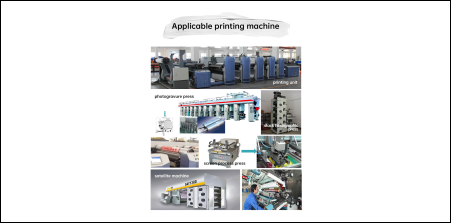

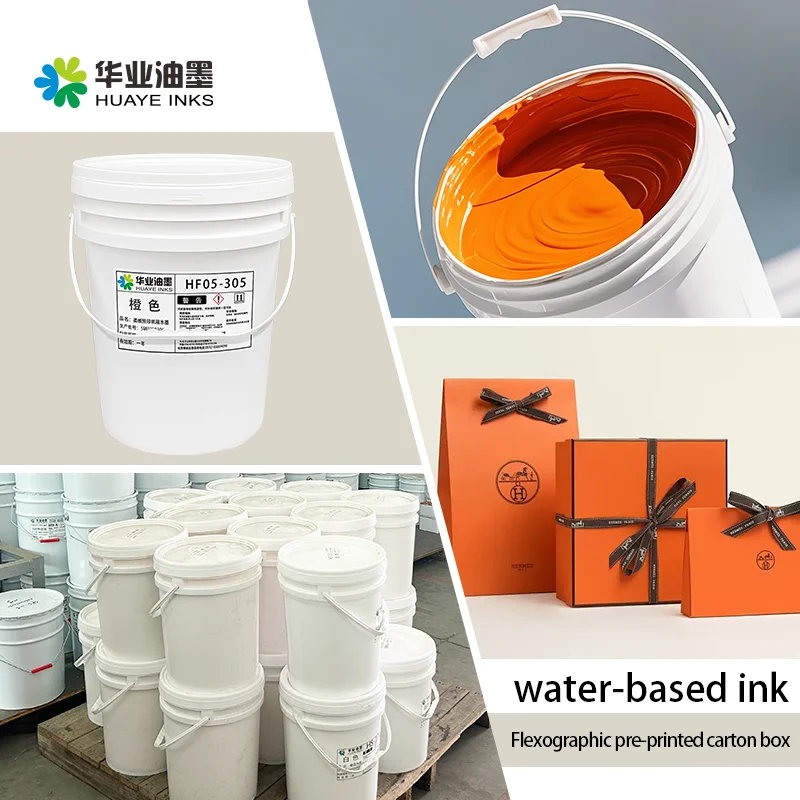
Flexo label printing, a subset of flexographic printing, has emerged as a preferred choice for producing labels across a multitude of industries. Its popularity stems from its ability to balance high - quality output, cost - effectiveness, and adaptability to various label requirements. At the core of flexo label printing is the use of flexible printing plates. These plates are typically made from rubber or photopolymer materials, which can be easily customized to match the specific design of the label. The plate creation process involves transferring a digital image onto the plate material, either through exposure to light (in the case of photopolymer plates) or through traditional engraving (for rubber plates). The raised areas on the plate represent the image that will be printed, while the recessed areas remain ink - free. Ink selection is critical in flexo label printing. A wide variety of flexographic inks are available, including solvent - based, water - based, and UV - curable inks. Solvent - based inks are known for their fast - drying properties and excellent adhesion to non - porous substrates like plastic films. Water - based inks, on the other hand, are more environmentally friendly, making them suitable for applications where low - odor and reduced volatile organic compound (VOC) emissions are required, such as food packaging labels. UV - curable inks offer instant drying and high durability, ideal for labels that need to withstand harsh handling conditions or prolonged outdoor exposure. The printing process itself involves the use of an anilox roller to transfer ink to the printing plate. The anilox roller's engraved cells hold a precise amount of ink, which is then transferred to the raised areas of the plate. As the plate rotates and comes into contact with the label substrate, the ink is deposited onto the material, creating the printed image. Flexo label printing can handle a diverse range of label substrates, from traditional paper and cardboard to more specialized materials like metallic foils and synthetic films. It also allows for the incorporation of various printing effects, such as spot colors, gradients, and halftones, to create visually appealing labels. Additionally, post - printing processes like die - cutting, laminating, and varnishing can be applied to enhance the functionality and appearance of the labels, making them suitable for different end - use applications, whether it's product identification, branding, or information dissemination.