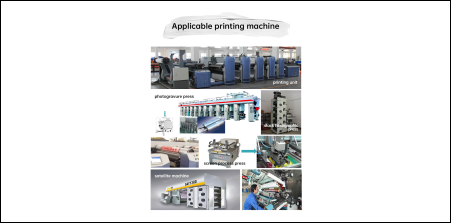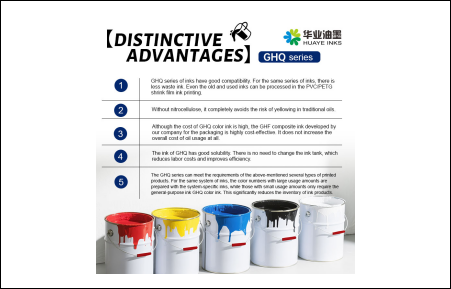

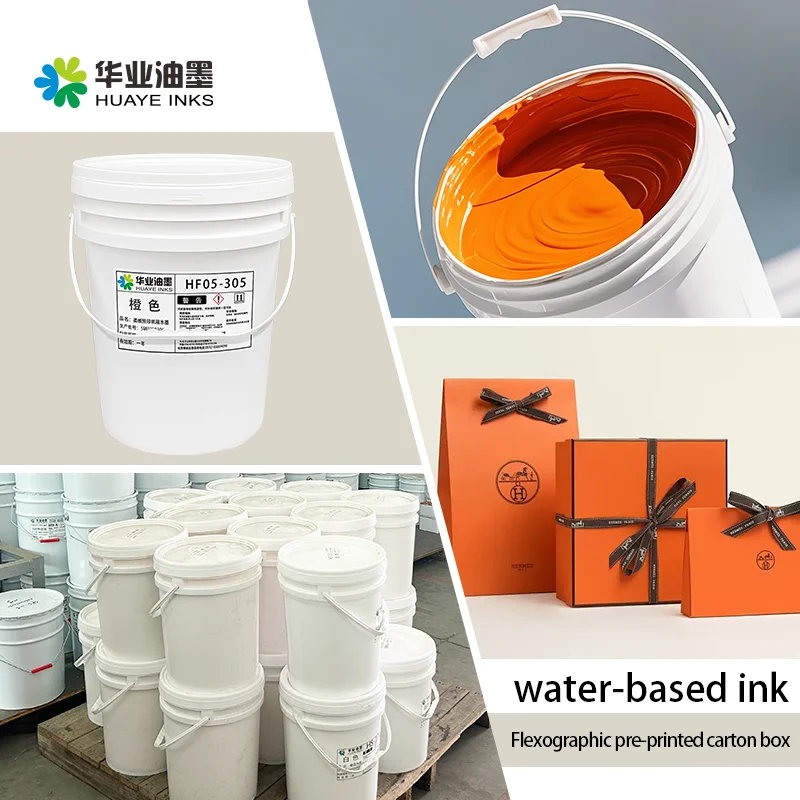
Flexographic, short for flexographic printing, is a widely - adopted printing method that has revolutionized various industries, especially packaging, labels, and commercial printing. This printing process offers a unique combination of flexibility, efficiency, and quality, making it a preferred choice for many applications. At its core, flexographic printing uses a flexible relief plate to transfer ink to the substrate. The plate, typically made of rubber or photopolymer, has a raised image area that holds the ink. Ink is applied to the plate using an anilox roll, a highly engraved roller that meters out a precise amount of ink. The ink - coated plate then comes into contact with the substrate, transferring the ink to create the printed image. This process allows for the printing of a wide range of materials, including paper, cardboard, plastic films, metal foils, and laminates. One of the key advantages of flexographic printing is its versatility. It can handle different types of substrates with ease. For example, in the packaging industry, it can print on corrugated cardboard for boxes, plastic films for flexible packaging, and paperboard for cartons. The ability to print on such diverse materials makes it an ideal choice for companies that need to package a variety of products. Flexographic printing also offers high - speed production capabilities. The continuous rotation of the printing plate and the efficient ink transfer mechanism enable rapid printing, making it suitable for large - volume production runs. In industries like food and beverage packaging, where thousands or even millions of packages need to be printed quickly, flexographic printing can meet the demand efficiently. The print quality of flexographic printing has significantly improved over the years. With advancements in plate - making technology and ink formulation, it can now reproduce fine details, sharp text, and vibrant colors. High - quality flexo printing inks, combined with the precise ink transfer of the anilox roll, ensure consistent color density and accurate color registration. This makes flexographic printing suitable for applications where visual appeal and product information accuracy are crucial, such as in branding and product packaging. Moreover, flexographic printing is relatively cost - effective. The cost of flexographic plates and inks is generally lower compared to some other printing methods, especially for large - volume production. Additionally, the high - speed production and efficient use of materials contribute to overall cost savings. As environmental concerns grow, flexographic printing is also evolving towards more sustainable practices. The development of eco - friendly flexo printing inks, such as water - based and UV - curable inks, reduces the environmental impact of the printing process. These inks offer similar print quality and performance as traditional solvent - based inks, making them a viable choice for companies looking to reduce their carbon footprint.