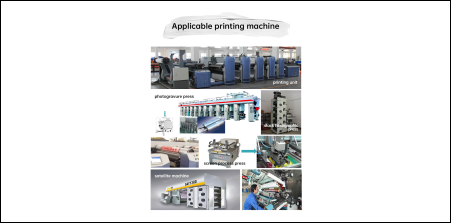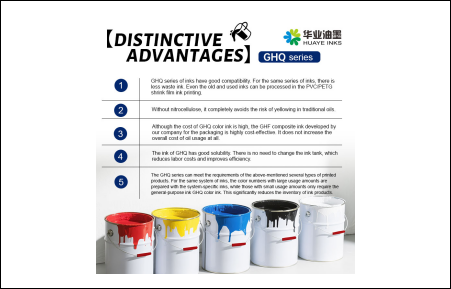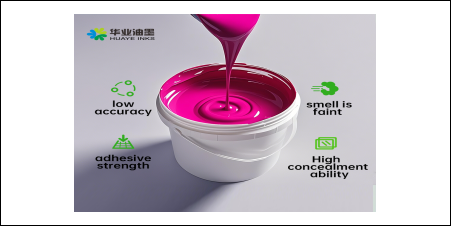

Flexographic label printing has become a dominant force in the label manufacturing industry, renowned for its ability to produce high - quality, detailed, and durable labels in various shapes and sizes. This printing method leverages the principles of flexographic printing, which is well - suited for label production due to its versatility and efficiency. One of the key aspects of flexographic label printing is the selection of appropriate substrates. Labels can be made from a diverse range of materials, including paper, polyester (PET), polypropylene (PP), vinyl, and even specialty materials like metallic films or transparent substrates. Flexographic inks are formulated to adhere effectively to these different surfaces, ensuring that the printed labels remain intact during handling, application, and throughout their intended use. Specialized adhesion - promoting additives are often incorporated into the inks to enhance the bond between the ink and the substrate, preventing issues such as peeling or smudging. The flexographic label printing process starts with the creation of a flexographic plate. The plate is designed based on the label design, with the image areas raised above the non - image areas. High - resolution digital imaging techniques are commonly used to create accurate and detailed plates, allowing for the reproduction of fine text, intricate graphics, and barcodes with precision. Once the plate is mounted on the printing press, ink is applied to it using an anilox roller, which controls the amount of ink transferred to ensure consistent ink coverage. Color management is crucial in flexographic label printing. Advanced color - matching systems and high - quality flexographic inks enable the reproduction of a wide color gamut, ensuring that labels accurately represent brand colors and meet strict visual standards. Whether it's printing vibrant product labels for consumer goods or informative labels for pharmaceuticals, flexographic label printing can deliver sharp, clear, and eye - catching results. Flexographic label printing also offers the flexibility to incorporate various special effects and finishes. Matte or gloss varnishes can be applied to enhance the visual appeal and protect the printed surface. Embossing, debossing, and foil stamping techniques can be used to add texture and a premium look to the labels. These additional features make flexographic labels stand out on store shelves and effectively communicate brand identity. Moreover, with the increasing demand for short - run and customized label production, flexographic label printing has adapted. Digital - hybrid flexographic presses combine the advantages of digital printing for quick setup and customization with the high - speed and cost - effectiveness of flexographic printing for larger runs, providing label manufacturers with the ability to meet diverse customer needs.