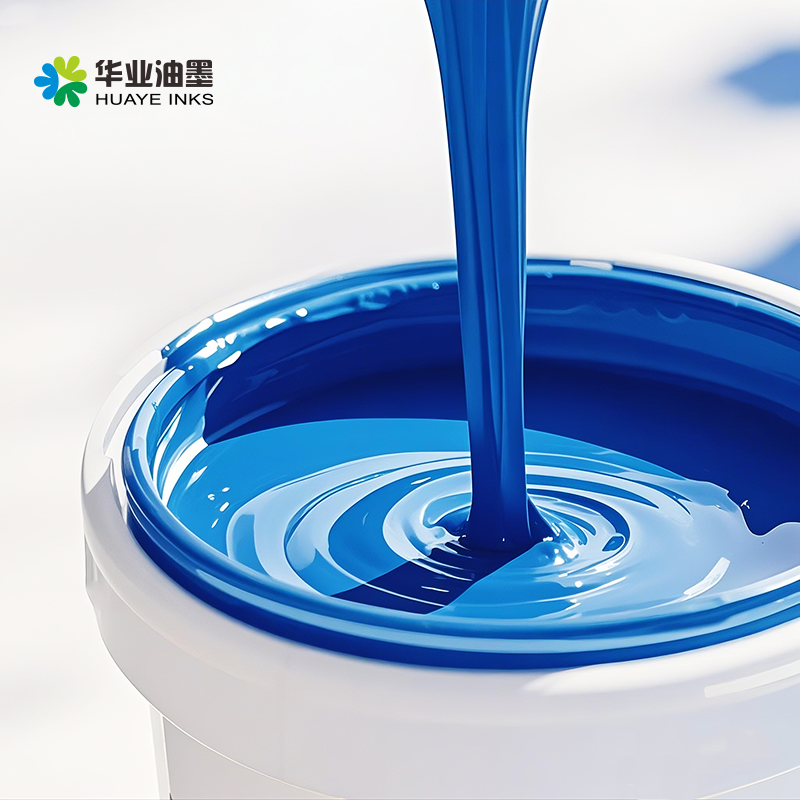
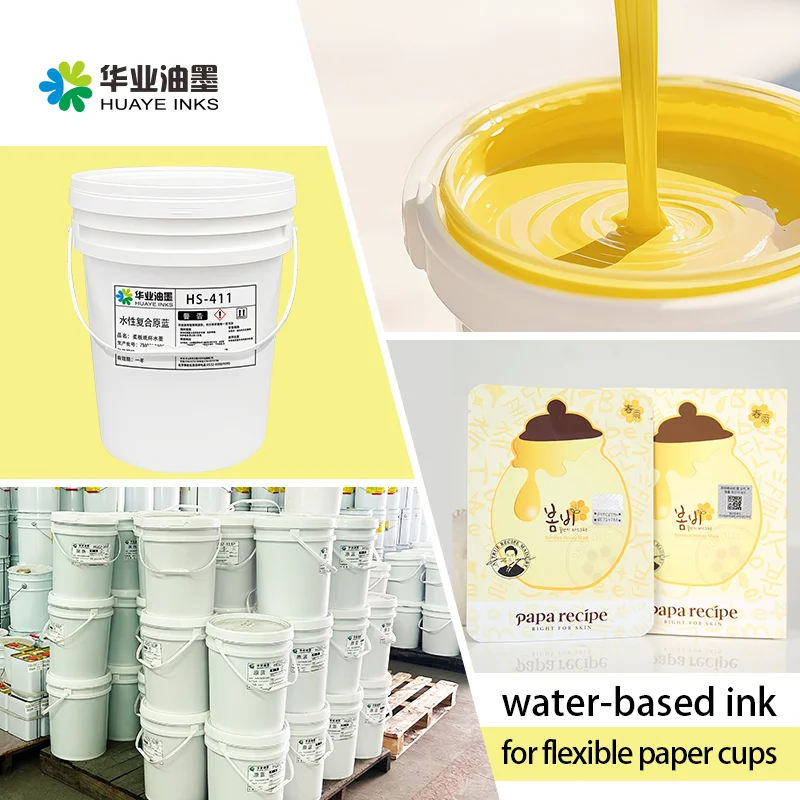
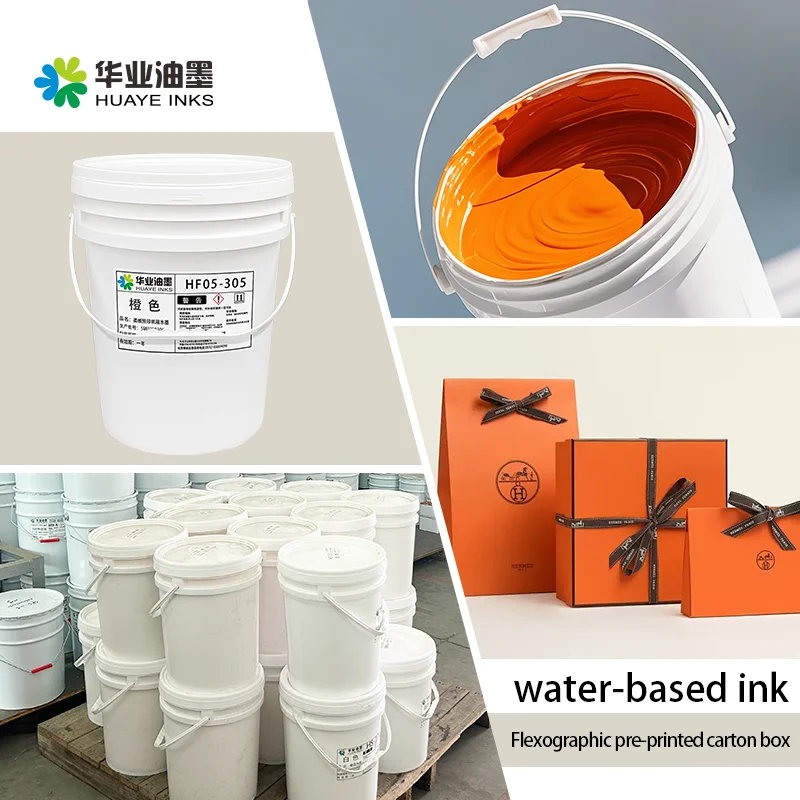
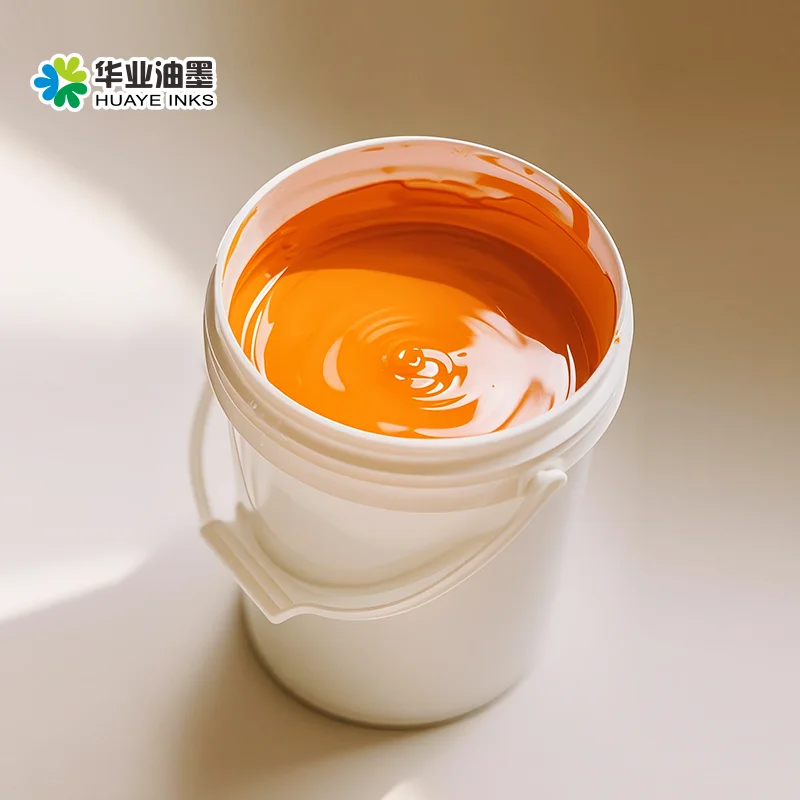
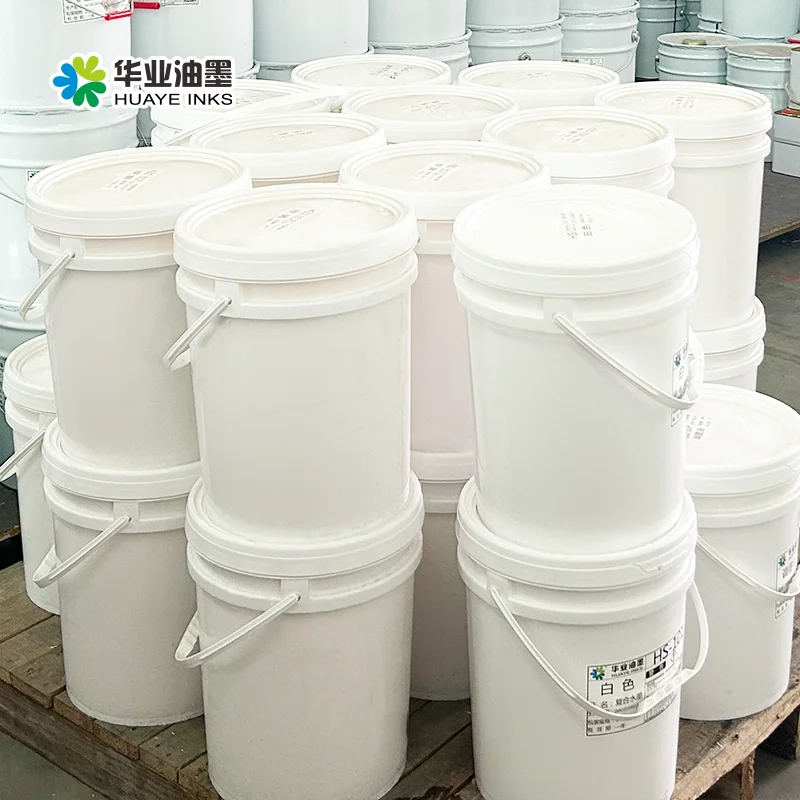
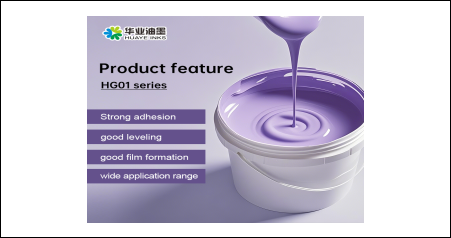
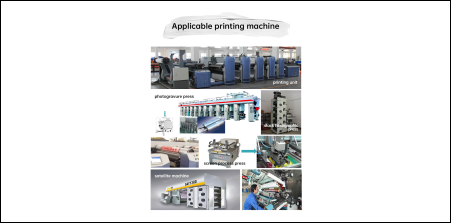
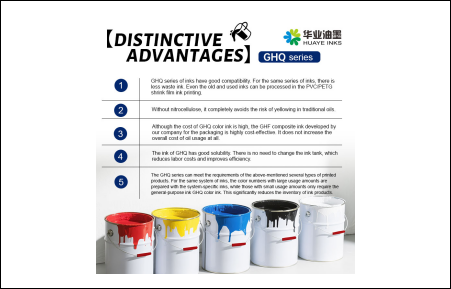
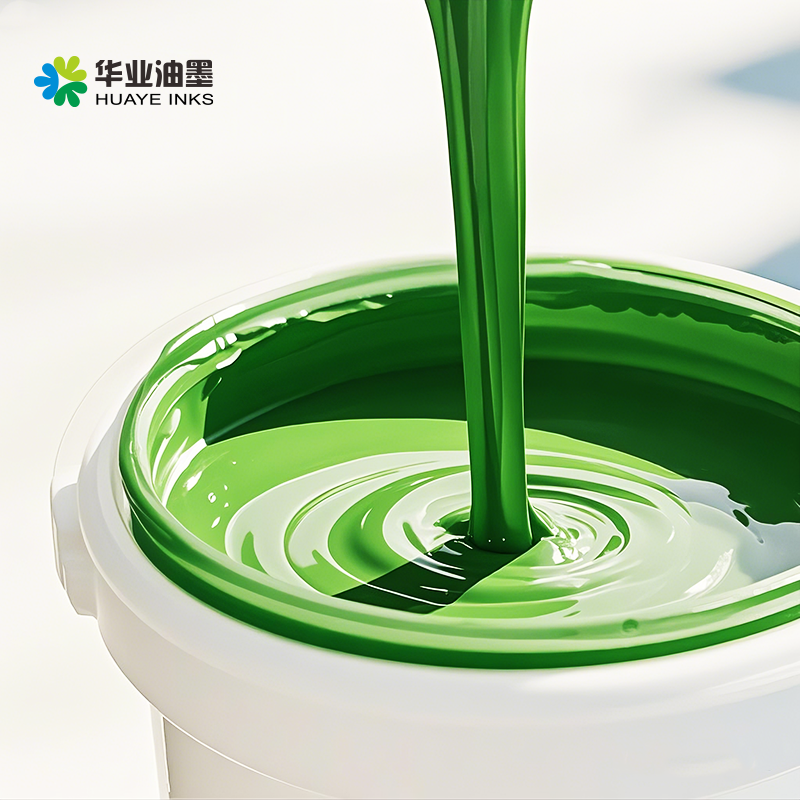
Flexographic printing, a dynamic and versatile printing technique, has become a cornerstone in the modern printing landscape. It is widely recognized for its ability to produce high - quality prints on a diverse range of substrates, making it an indispensable tool in industries such as packaging, labels, and commercial printing. The fundamental principle of flexographic printing involves the use of a flexible relief plate. This plate, often crafted from materials like rubber or photopolymer, features a raised image area. An anilox roll, with its precisely engraved cells, is responsible for metering and applying a controlled amount of ink onto the plate's raised areas. When the ink - laden plate comes into contact with the substrate under pressure, the ink is transferred, creating the desired printed image. The choice of plate material significantly impacts the printing process. Rubber plates, with their durability and flexibility, are well - suited for printing on substrates with irregular surfaces, such as corrugated cardboard. They can withstand a substantial number of printing impressions, making them cost - effective for large - scale production. However, their limitations in print resolution make them less suitable for applications requiring highly detailed graphics. Photopolymer plates, on the other hand, offer exceptional print resolution, capable of reproducing fine lines, small text, and intricate patterns with remarkable precision. This makes them ideal for label printing, where brand logos, product information, and barcodes need to be clearly and accurately presented. Flexographic printing inks play a crucial role in determining the quality and characteristics of the printed output. Solvent - based inks have been traditionally used and offer good adhesion and drying speed, particularly on non - porous substrates. However, in response to growing environmental concerns, water - based inks have gained significant popularity. These inks, with their reduced volatile organic compound (VOC) emissions, are not only more environmentally friendly but also provide excellent color saturation and can be formulated to adhere well to a wide variety of materials. UV - curable inks, which cure instantly when exposed to ultraviolet light, offer the advantage of rapid drying, enabling high - speed production. They also form a hard, durable film, enhancing the resistance of the printed product to abrasion, moisture, and fading. The applications of flexographic printing are extensive. In the packaging industry, it is used for producing cartons, boxes, bags, and flexible pouches. The ability to print on different packaging materials, along with its high - speed production capabilities, makes it an ideal choice for meeting the demands of large - volume packaging. In the label printing sector, flexographic printing can create labels with high - quality graphics and accurate color reproduction, which are essential for brand recognition and product information display. It is also used in commercial printing for producing brochures, flyers, and other marketing materials, where its combination of quality and efficiency can deliver visually appealing results. As technology continues to advance, flexographic printing is constantly evolving. New developments in plate - making technology, ink formulation, and printing equipment are further enhancing its capabilities, making it an even more attractive option for businesses in the printing industry.

 EN
EN