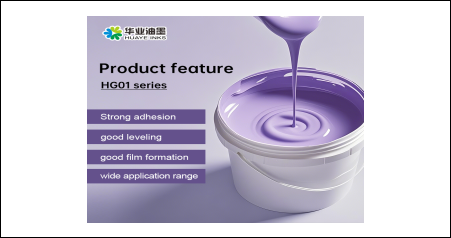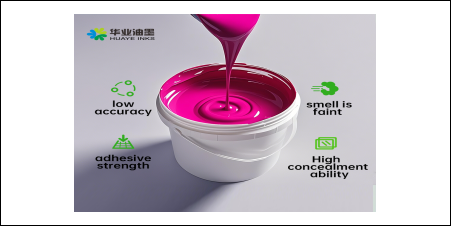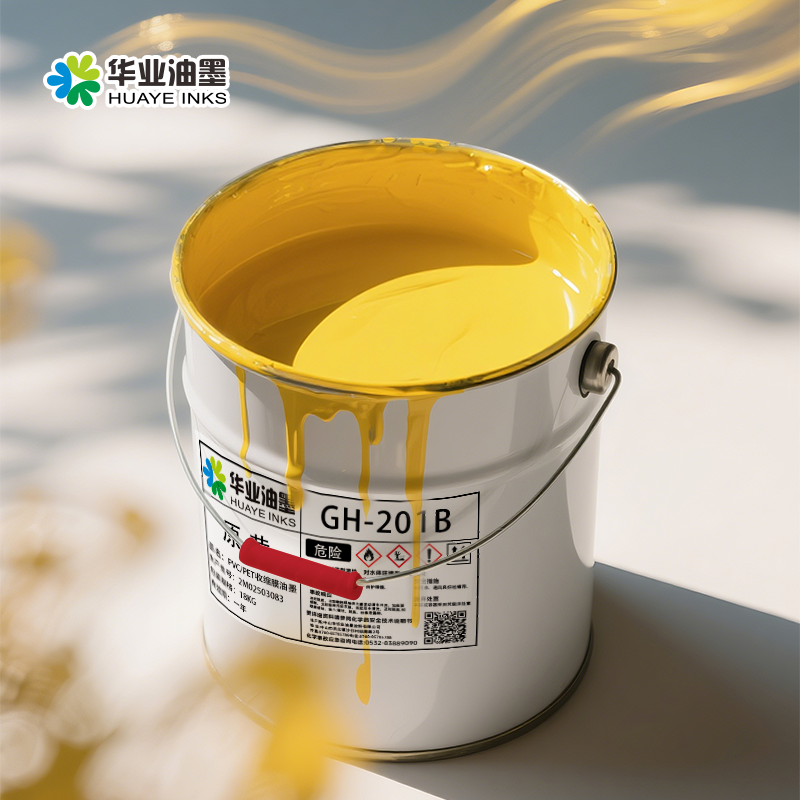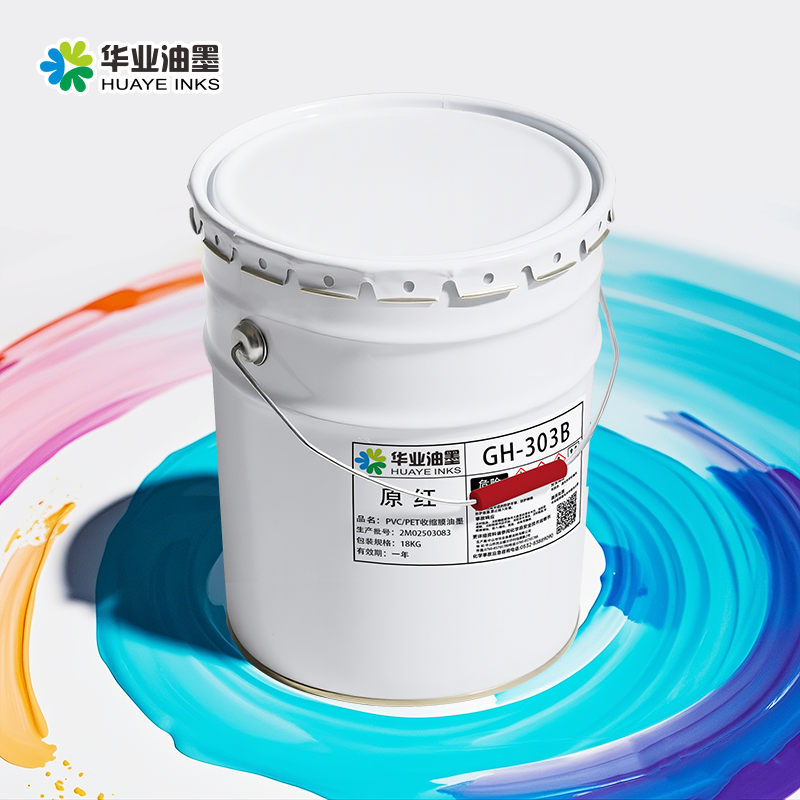

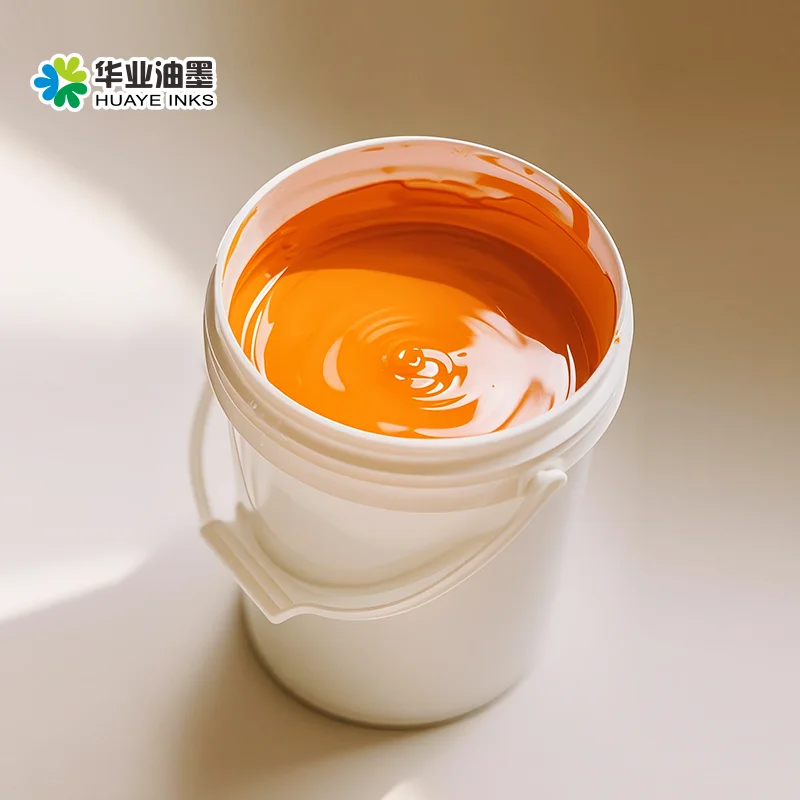
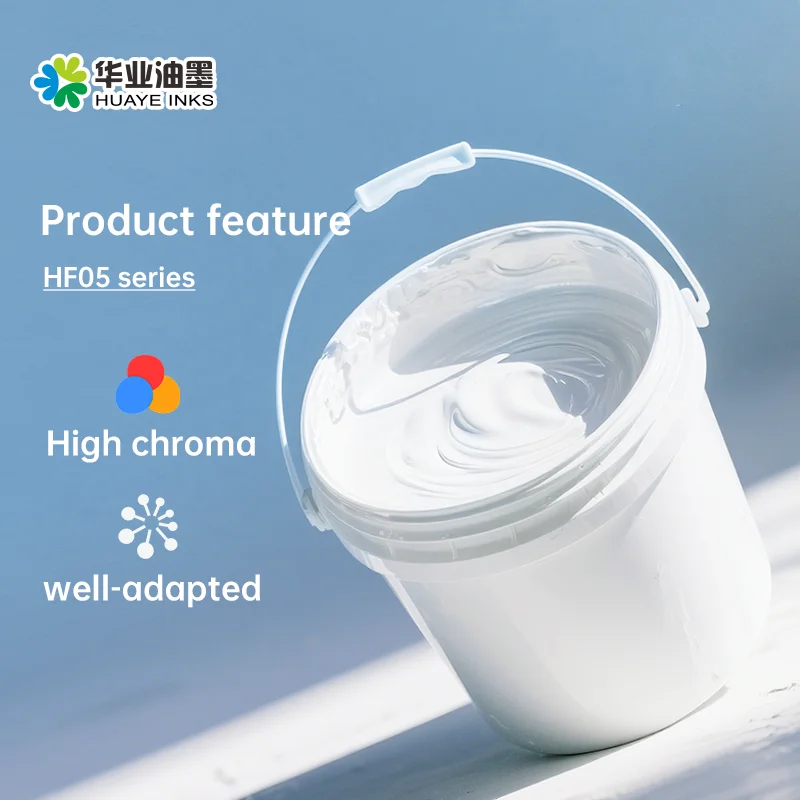
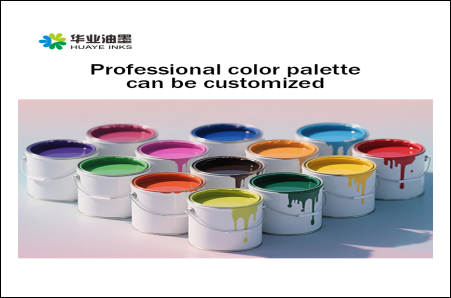
Plastic gravure ink is specifically formulated for printing on plastic substrates using the gravure printing process. Plastics are widely used in various industries for packaging, labeling, and other applications, and printing on them requires an ink that can meet the unique challenges and requirements of plastic materials. One of the primary concerns when using plastic gravure ink is adhesion. Plastics have different surface chemistries and energies, and ensuring that the ink adheres firmly to the plastic surface is essential for long - lasting prints. Plastic gravure ink contains special adhesion - promoting agents that interact with the plastic surface at a molecular level. These agents help to create a strong bond, preventing the printed images from peeling, cracking, or flaking off, even under harsh conditions such as changes in temperature, humidity, or mechanical stress. The color performance of plastic gravure ink is also critical. It needs to be able to reproduce a wide range of colors with high accuracy and saturation to meet the aesthetic and branding requirements of plastic products. The pigments used in plastic gravure ink are carefully selected for their compatibility with plastic substrates and their resistance to fading caused by UV radiation, which is particularly important for outdoor plastic applications or products that will be exposed to sunlight. Another important aspect is the ink's drying characteristics. In gravure printing on plastic, a fast - drying ink is often desired to enable high - speed production. Plastic gravure ink is formulated with solvents that evaporate quickly, allowing the ink to dry rapidly on the plastic surface. This not only increases production efficiency but also reduces the risk of smudging or offsetting during the printing process. Plastic gravure ink also needs to have good resistance to chemicals and abrasion. Plastic products may come into contact with various chemicals, such as cleaning agents, during their use, and the printed ink should be able to withstand these interactions without fading or deteriorating. Additionally, the ink should be resistant to abrasion to maintain the integrity of the printed images during handling and transportation. Moreover, as environmental concerns grow, there is an increasing demand for more sustainable plastic gravure ink formulations. Manufacturers are developing plastic gravure inks with reduced levels of volatile organic compounds (VOCs) or using alternative, more eco - friendly solvents. These efforts aim to minimize the environmental impact of plastic printing while still delivering high - quality, durable prints.