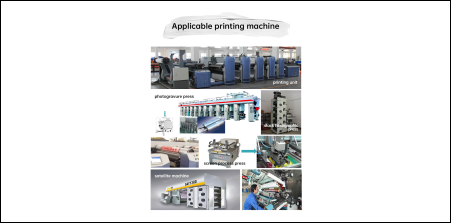

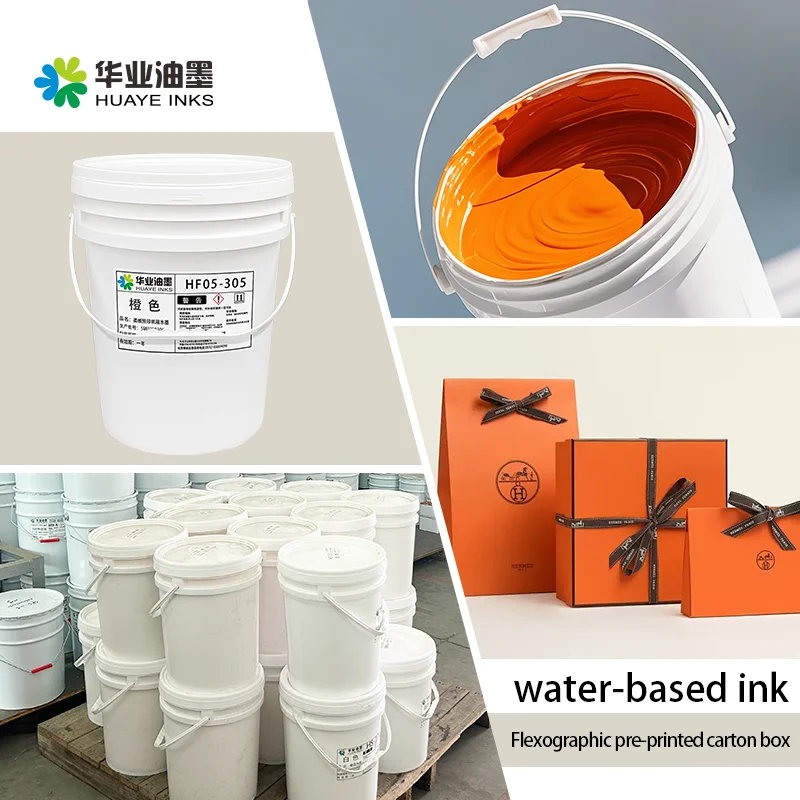
Printing gravure ink is a specialized type of ink that plays a crucial role in the gravure printing process, a high - quality and high - precision printing method widely used across various industries. Gravure printing involves the transfer of ink from engraved cells on a printing cylinder to the substrate, and the performance of the ink is key to achieving excellent print results. The formulation of printing gravure ink is carefully designed to meet the unique requirements of the gravure printing process. It typically consists of pigments, binders, solvents, and additives. The pigments are selected for their high color strength, purity, and lightfastness, enabling the reproduction of vivid, accurate, and long - lasting colors. Whether it's printing detailed images, text, or logos, the pigments in gravure ink ensure sharpness and clarity. The binders in printing gravure ink serve to hold the pigments together and adhere them to the substrate. They provide the ink with the necessary film - forming properties, ensuring that the printed layer is smooth, continuous, and durable. Different types of binders are used depending on the substrate and the end - use requirements of the printed product. Solvents are another essential component of printing gravure ink. They control the ink's viscosity, which is critical for proper ink transfer from the engraved cells of the printing cylinder to the substrate. The right viscosity ensures that the ink fills the cells completely and is transferred evenly, preventing issues such as streaking, skipping, or uneven ink laydown. Additionally, solvents affect the drying speed of the ink. In gravure printing, a relatively fast - drying ink is often preferred to allow for high - speed production without smudging or offsetting. Additives are incorporated into printing gravure ink to enhance specific properties. For example, anti - foaming agents are used to prevent the formation of bubbles during the ink preparation and printing process, which could otherwise cause defects in the printed image. Wetting agents improve the ink's ability to spread evenly on the substrate, especially for non - porous or difficult - to - wet surfaces. Printing gravure ink is used in a wide range of applications, from packaging (such as food, beverage, and consumer goods packaging) to labels, magazines, and wallpaper. Its ability to produce high - quality, consistent prints with excellent color density and sharpness makes it a preferred choice for applications where visual appeal and print durability are crucial. However, the use of printing gravure ink also comes with environmental considerations, especially those related to the solvents used. Traditional gravure inks often contain volatile organic compounds (VOCs), which can have an impact on air quality. As a result, there is a growing trend towards developing more environmentally friendly printing gravure ink formulations, such as low - VOC or water - based inks, without sacrificing the quality and performance of the prints.