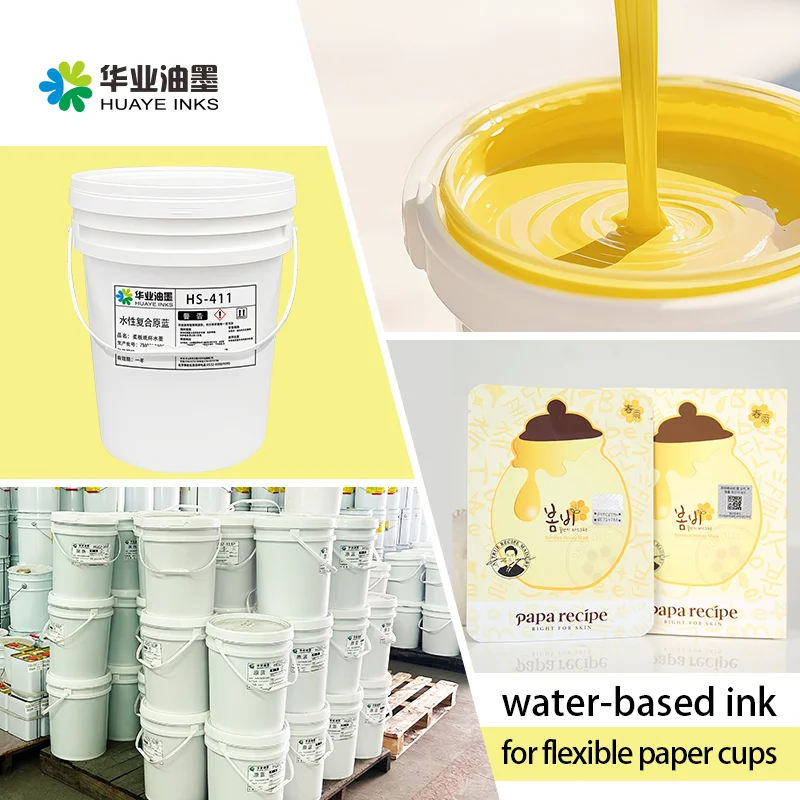
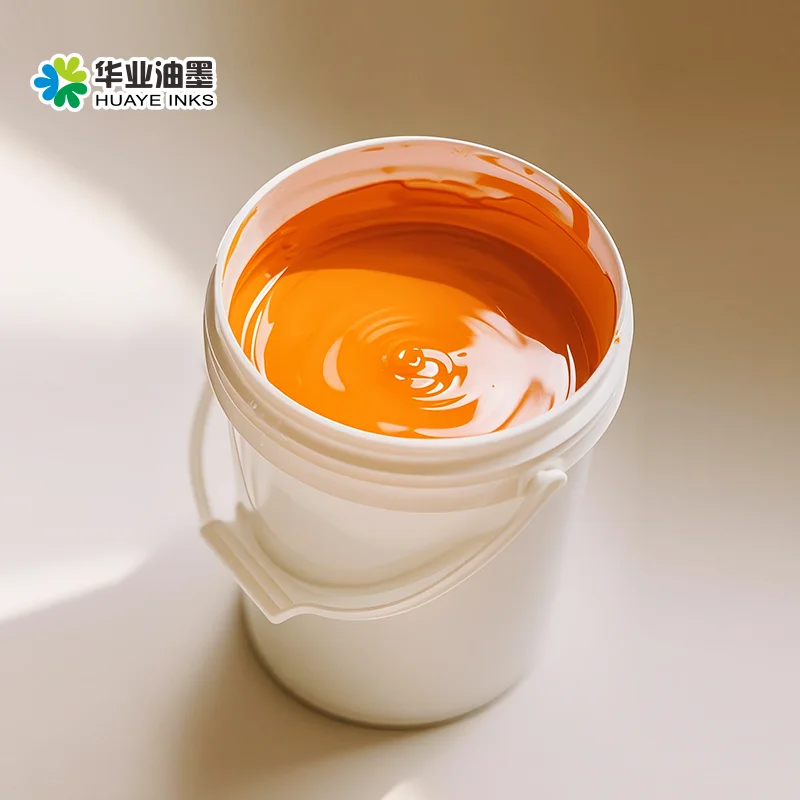
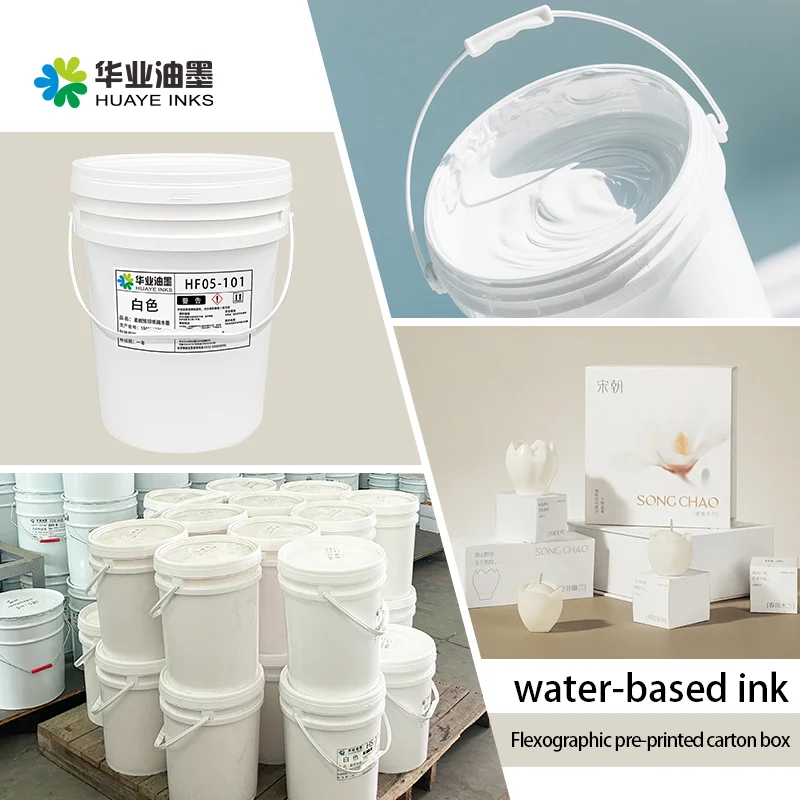
Water - based printing ink has emerged as a sustainable and versatile option in the printing industry, offering a range of benefits over traditional solvent - based inks. The use of water as the primary carrier for pigments, binders, and additives in water - based printing ink sets it apart, providing both environmental advantages and evolving performance capabilities. Environmentally, water - based printing ink is a clear winner. With low or zero volatile organic compound (VOC) emissions, it helps reduce air pollution and contributes to a healthier working environment. This makes it compliant with strict environmental regulations in many regions and an attractive choice for companies aiming to reduce their ecological footprint and meet sustainability goals. In terms of performance, water - based printing ink has come a long way. It offers good printability across various printing processes, including flexography, offset, and inkjet. The ink's viscosity can be adjusted to suit different printing equipment and substrates, ensuring smooth ink transfer and consistent coverage. Drying is achieved through water evaporation, and with the aid of advanced drying technologies, such as forced - air drying or infrared drying, the drying time can be optimized for efficient production. Water - based printing ink can produce a wide range of colors with decent accuracy, making it suitable for both commercial and industrial printing applications. It adheres well to many substrates, including paper, cardboard, and some types of plastics, and offers reasonable resistance to factors like moisture, light, and abrasion. As the printing industry continues to evolve and demand more sustainable solutions, the development of water - based printing ink will focus on further improving performance, expanding substrate compatibility, enhancing color quality, and exploring new applications to meet the diverse needs of the market.