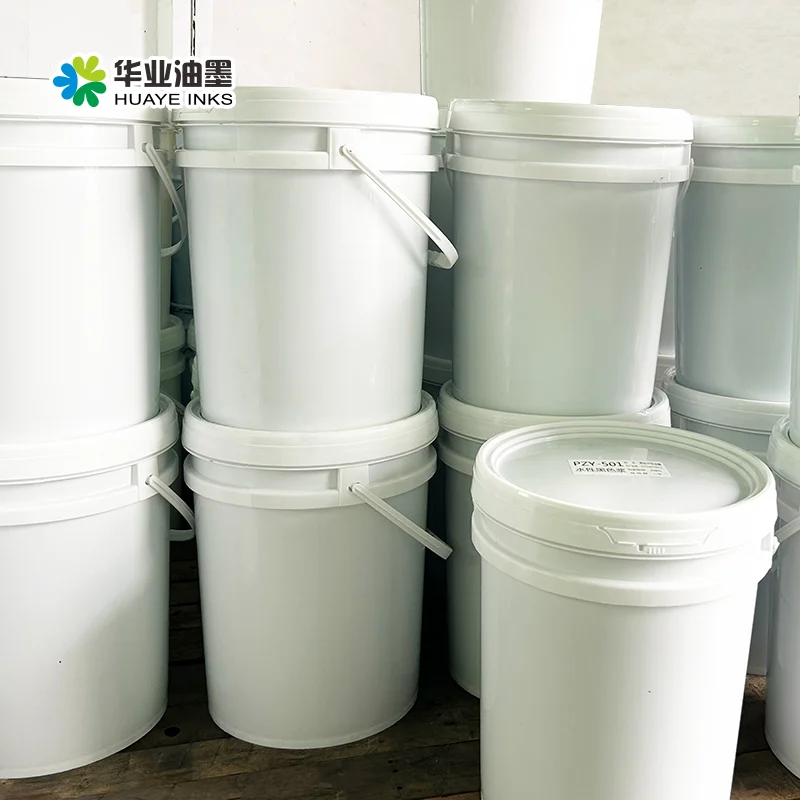
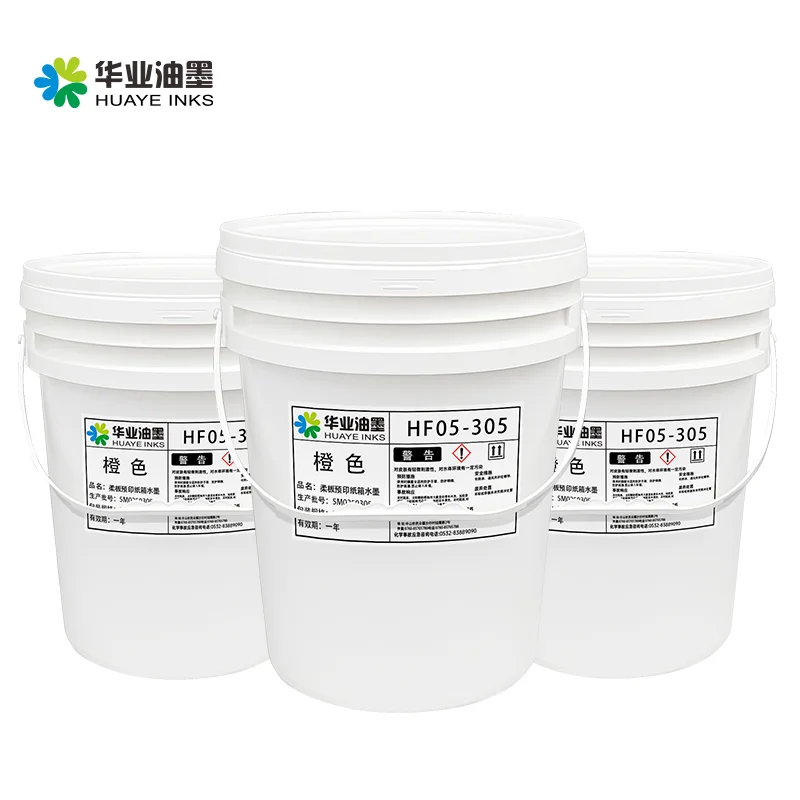
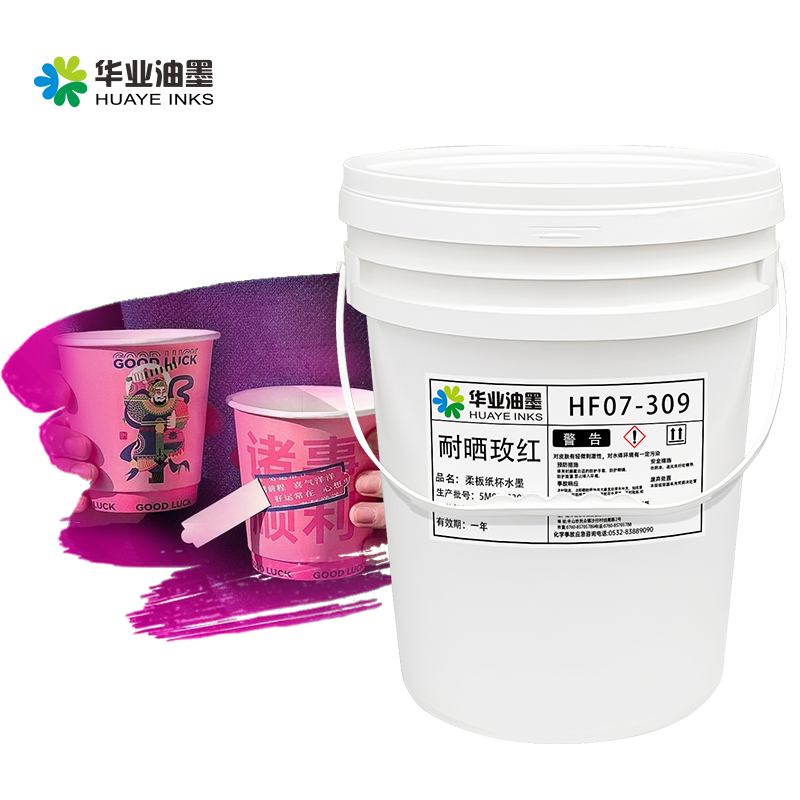
Water based screen printing ink has revolutionized the printing industry with its unique combination of environmental friendliness and outstanding performance. This type of ink, which uses water as the main solvent, has become a preferred choice for printers seeking to balance quality, efficiency, and sustainability. The formulation of water based screen printing ink is a carefully crafted process. Pigments are the core of the ink, responsible for the color and visual appearance of the printed material. They are selected based on their colorfastness, lightfastness, and ability to disperse evenly in the water - based medium. Binders play a crucial role in holding the pigments together and ensuring adhesion to the substrate. These binders are typically water - soluble polymers that form a strong film when the ink dries. Additives such as thickeners, defoamers, and pH regulators are also incorporated to optimize the ink's viscosity, prevent foam formation, and maintain its stability during storage and use. From an environmental perspective, water based screen printing ink is a significant advancement. Traditional solvent - based inks release volatile organic compounds (VOCs) into the atmosphere during the printing and drying processes, contributing to air pollution and potential health risks for workers. In contrast, water based screen printing ink emits minimal VOCs, making it a much greener option. This has led to its widespread adoption by printing companies looking to reduce their environmental impact and meet strict regulatory requirements. When it comes to printing performance, water based screen printing ink offers several notable advantages. It provides excellent color reproduction, allowing for the accurate replication of complex designs and Pantone - matched colors. The ink has good coverage on various substrates, whether it's fabric, paper, plastic, or metal. On textiles, it creates soft - hand prints, which are highly valued in the fashion and home decor industries. The ink also offers good resolution, enabling the printing of fine details and sharp images. However, working with water based screen printing ink does present some challenges. One of the main drawbacks is its longer drying time compared to solvent - based inks. This can slow down production processes, especially in high - volume printing operations. To overcome this, printers often use drying equipment such as infrared dryers or forced - air dryers. Additionally, water based screen printing ink may have limited adhesion on certain non - porous substrates, requiring surface pretreatment or the use of adhesion promoters to ensure proper bonding. Despite these challenges, the future of water based screen printing ink is promising. Ongoing research and development are focused on improving its drying speed, enhancing adhesion, and expanding its range of applications. As the demand for sustainable and high - quality printing solutions continues to grow, water based screen printing ink is set to play an increasingly important role in the printing industry, driving innovation and environmental responsibility.