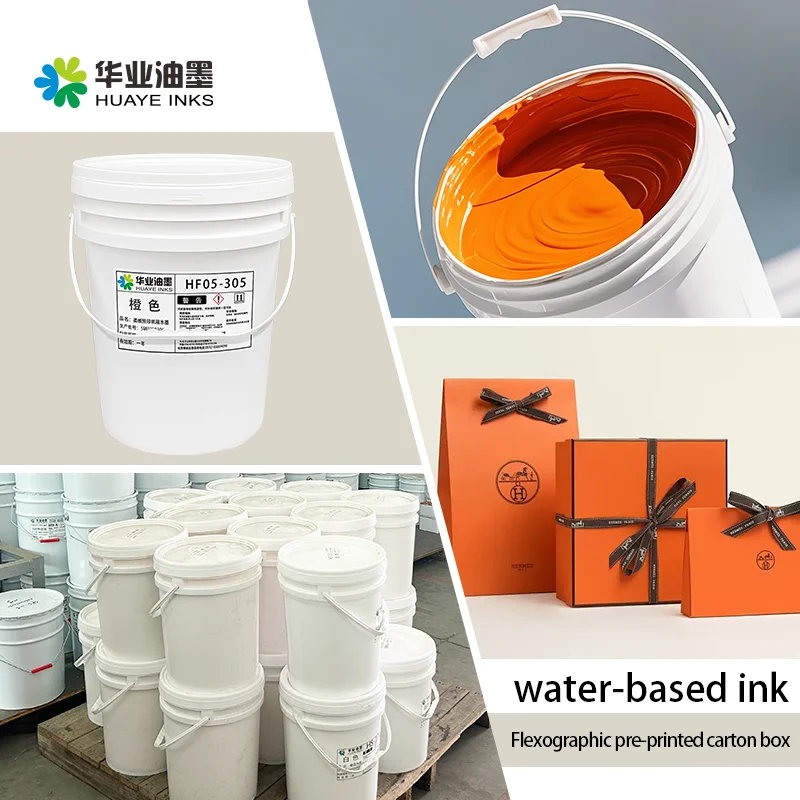
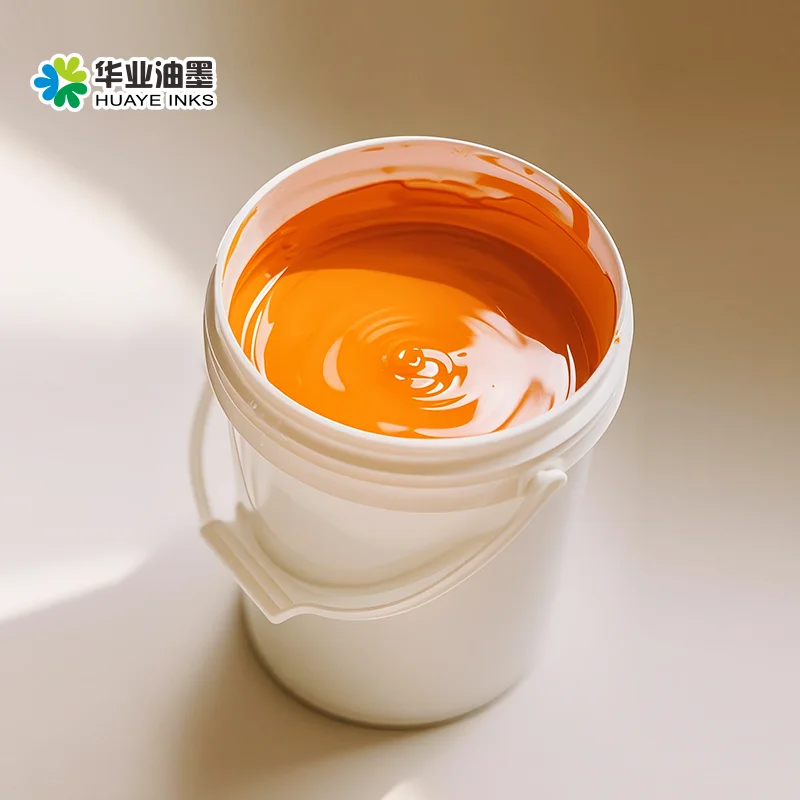
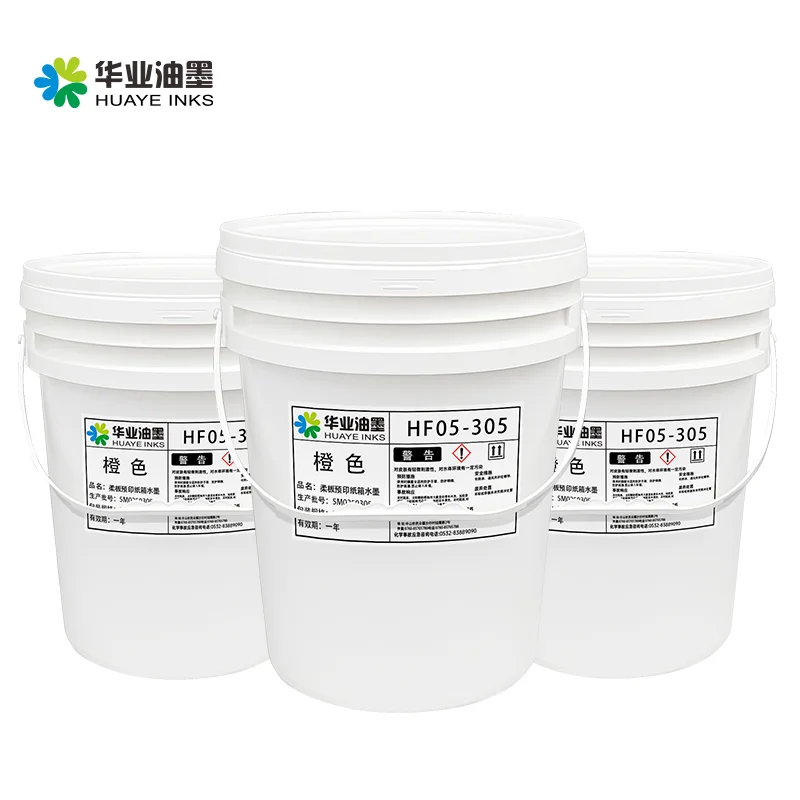
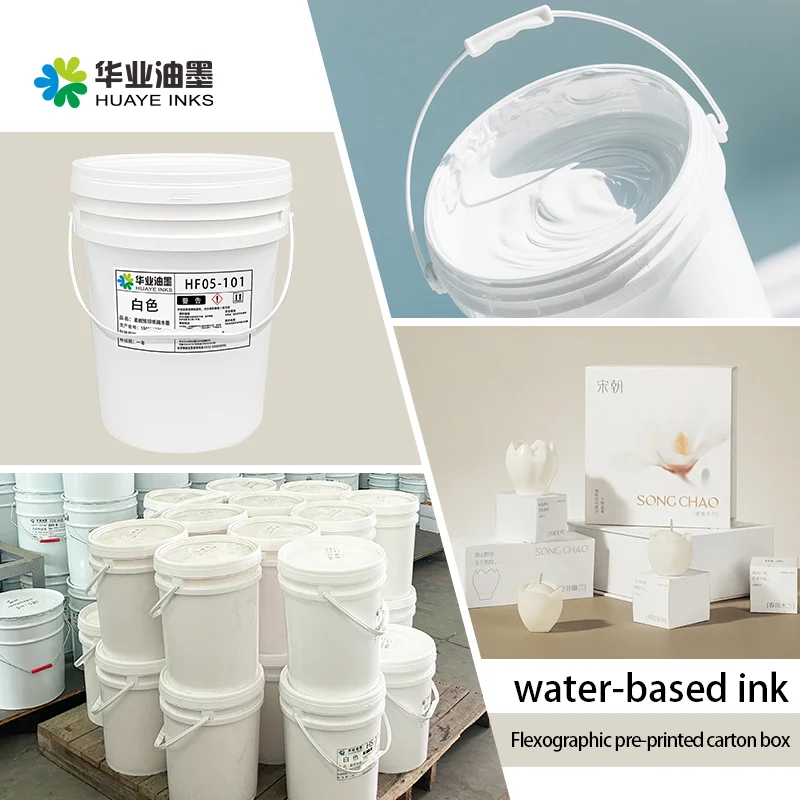
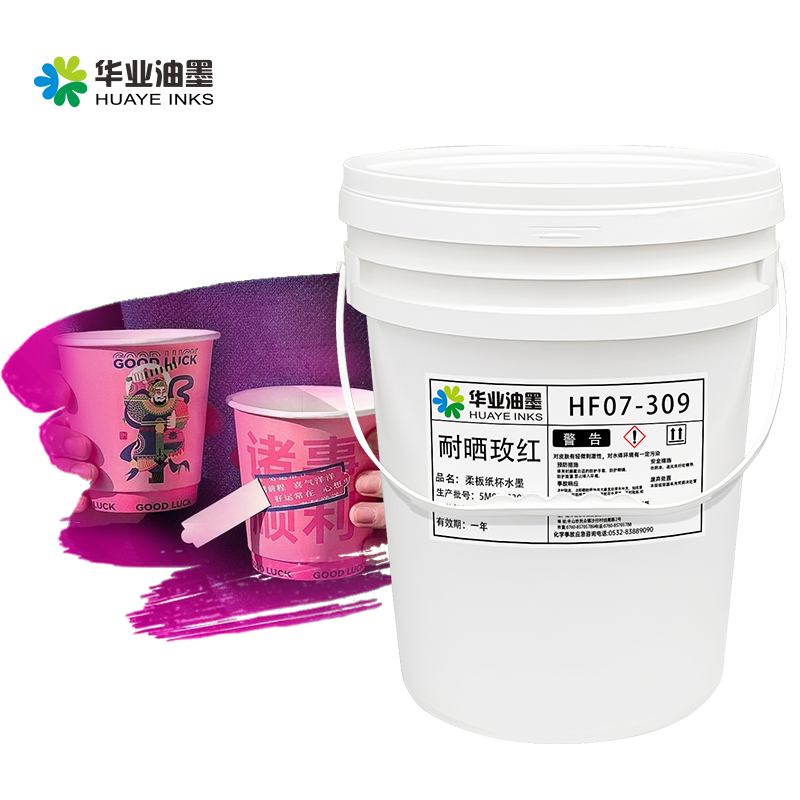
Water - based ink for label printing has become an increasingly popular choice in the label industry, driven by its environmental benefits and improving performance characteristics. Labels are used extensively across various industries to provide product information, branding, and identification, and water - based inks offer a sustainable alternative to traditional solvent - based inks for this application. Environmentally, water - based inks for labels are highly advantageous. They have low or zero volatile organic compound (VOC) emissions, reducing air pollution and minimizing the impact on human health and the environment. This makes them compliant with strict environmental regulations in many regions, and they are often preferred by companies looking to enhance their environmental sustainability image. In terms of performance, water - based inks for label printing have made significant strides. They offer good printability, with a suitable viscosity that allows for smooth ink transfer and consistent coverage on different label substrates, such as paper, plastic films (e.g., PET, PVC), and self - adhesive materials. The inks dry through water evaporation, and with the use of efficient drying systems, the drying time can be optimized to meet high - speed label production requirements. Water - based inks for labels can produce vibrant and accurate colors, ensuring that brand logos, text, and graphics are clearly visible and visually appealing. They have improved adhesion properties on many substrates, especially those with some degree of porosity, and offer good resistance to factors such as moisture, light, and abrasion. Additionally, these inks often have low odor, making them suitable for applications where the label will be in close proximity to consumers, such as on food, personal care, and household products. As the demand for sustainable and high - quality label printing grows, the development of water - based ink for labels will continue to focus on further enhancing performance, expanding substrate compatibility, and improving overall print quality.