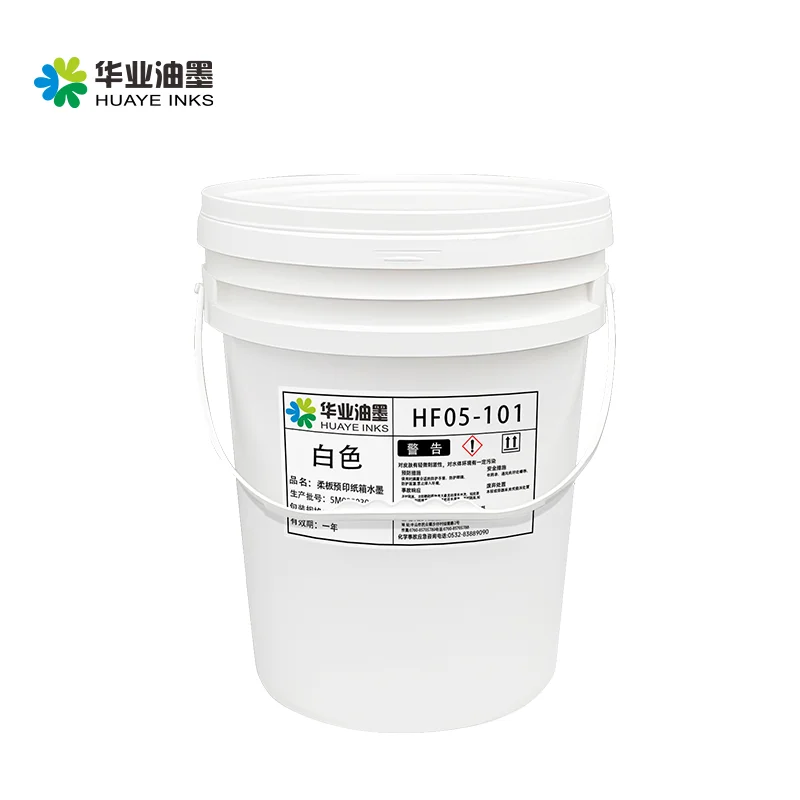
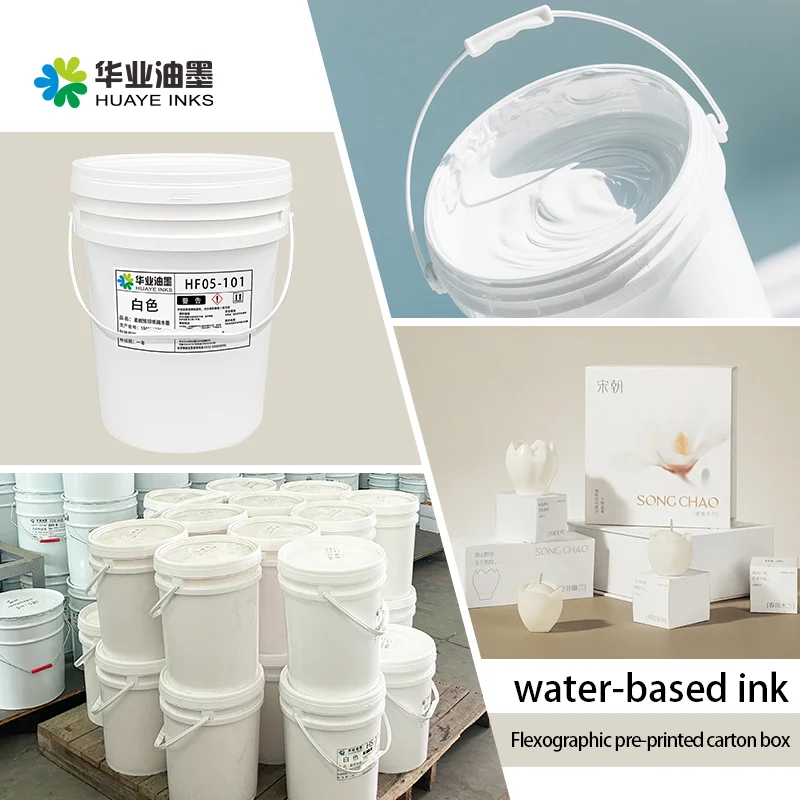
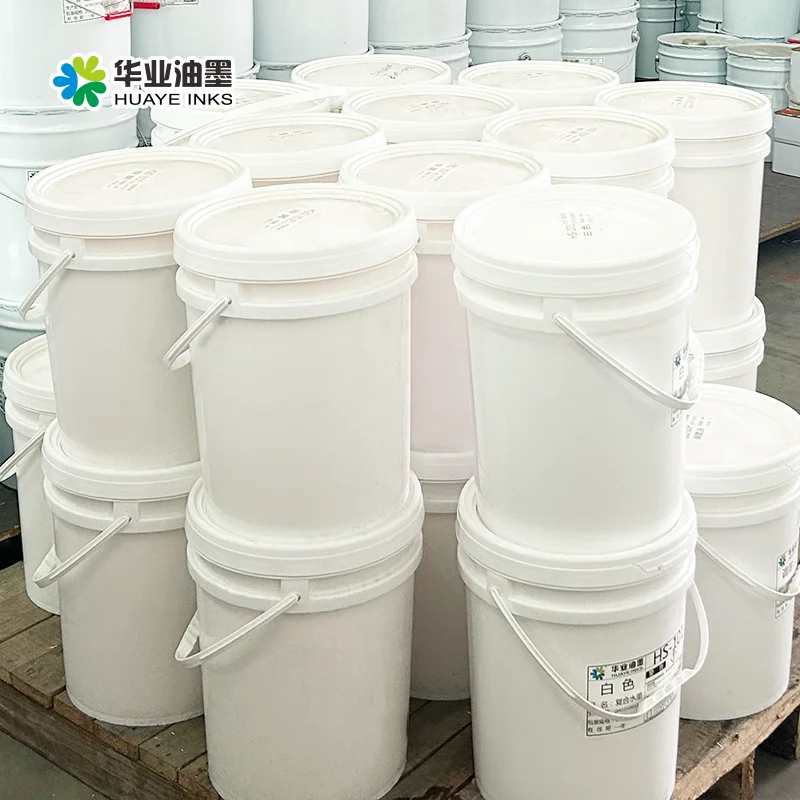
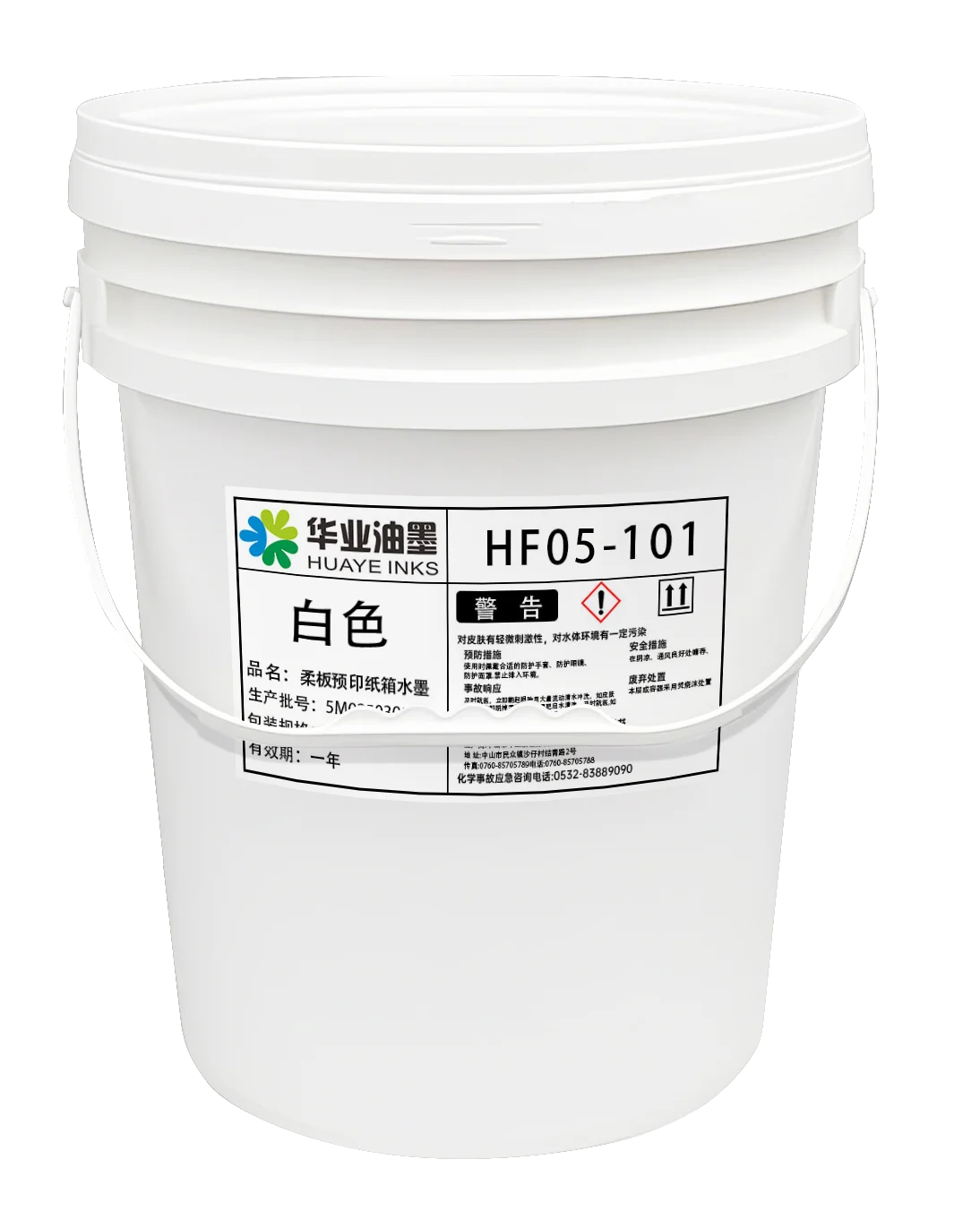
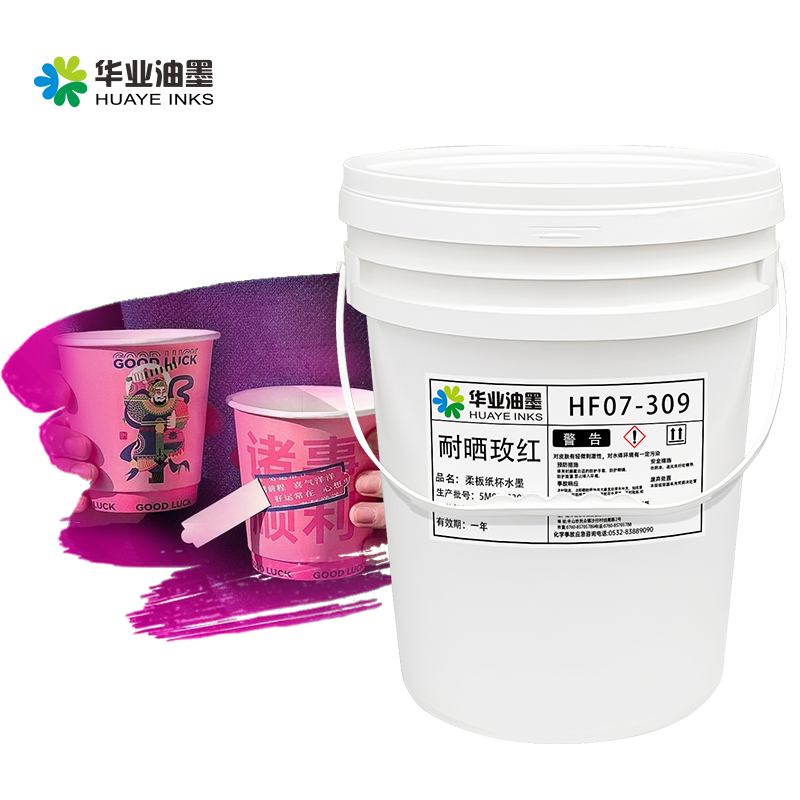
Water based silkscreen ink represents a cutting - edge solution in the realm of printing inks, combining environmental consciousness with high - performance capabilities. As the name implies, these inks use water as the primary carrier for pigments and binders, which sets them apart from traditional solvent - based inks. The composition of water based silkscreen ink is carefully engineered to balance several key properties. Pigments are selected for their high color strength, lightfastness, and transparency or opacity, depending on the desired printing effect. Binders play a crucial role in holding the pigments together and ensuring adhesion to the substrate. In water - based formulations, binders are often water - soluble polymers that form a continuous film when the ink dries. Additives such as surfactants are used to control the surface tension of the ink, allowing it to flow smoothly through the screen mesh and onto the substrate. One of the most notable advantages of water based silkscreen ink is its environmental friendliness. With the global push towards sustainability, industries are increasingly looking for printing solutions that minimize their ecological footprint. Water based inks emit fewer volatile organic compounds (VOCs) during the printing and drying processes, reducing air pollution and the associated health risks for workers. This makes them a preferred choice for companies aiming to meet green certifications and environmental regulations. From a performance perspective, water based silkscreen ink offers excellent color saturation and resolution. The inks can be formulated to achieve a wide range of colors, including Pantone - matched shades, ensuring consistent and accurate color reproduction. They also provide good coverage on various substrates, from textiles and paper to plastics and metals. When printing on fabrics, water based silkscreen inks create soft - hand prints, meaning the printed area feels smooth and does not stiffen the fabric, which is highly desirable in the fashion and textile industries. However, working with water based silkscreen ink requires some specific considerations. Due to its water - based nature, the ink has a relatively long drying time. This can be a limitation in high - volume production settings where quick turnaround times are required. To speed up the drying process, printers may use techniques such as heat setting or forced - air drying. Another challenge is that water based inks may have reduced adhesion on certain non - porous substrates. To overcome this, surface pretreatment methods like corona treatment or the application of adhesion promoters can be employed. In recent years, research and development efforts have focused on improving the performance of water based silkscreen ink. Newer formulations are being developed to enhance drying speed, improve adhesion, and increase the durability of the printed products. These advancements, combined with the growing demand for sustainable printing solutions, are driving the widespread adoption of water based silkscreen ink across multiple industries, making it an indispensable part of modern printing technology.