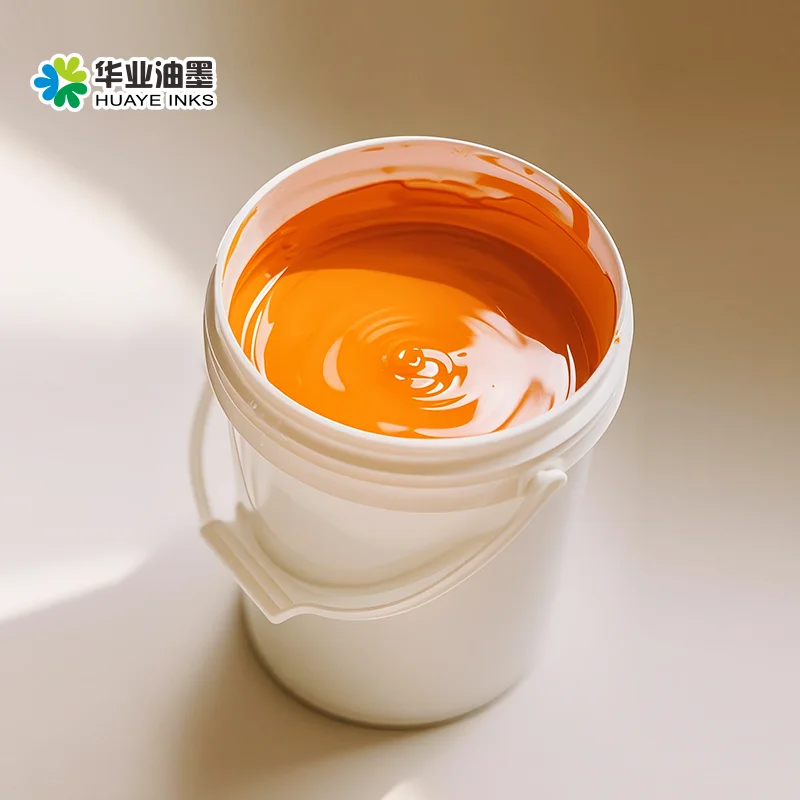
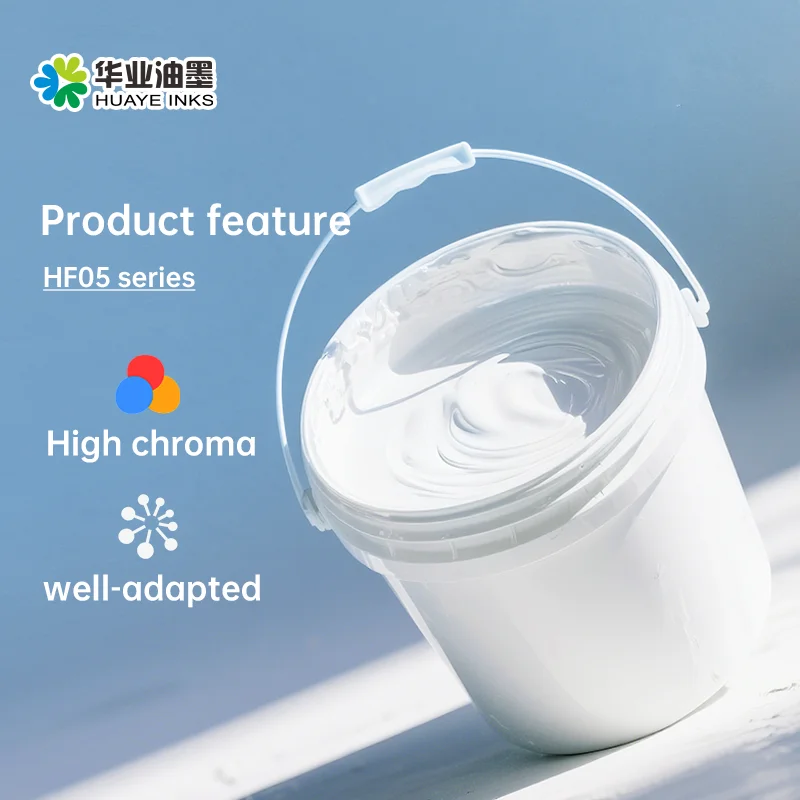
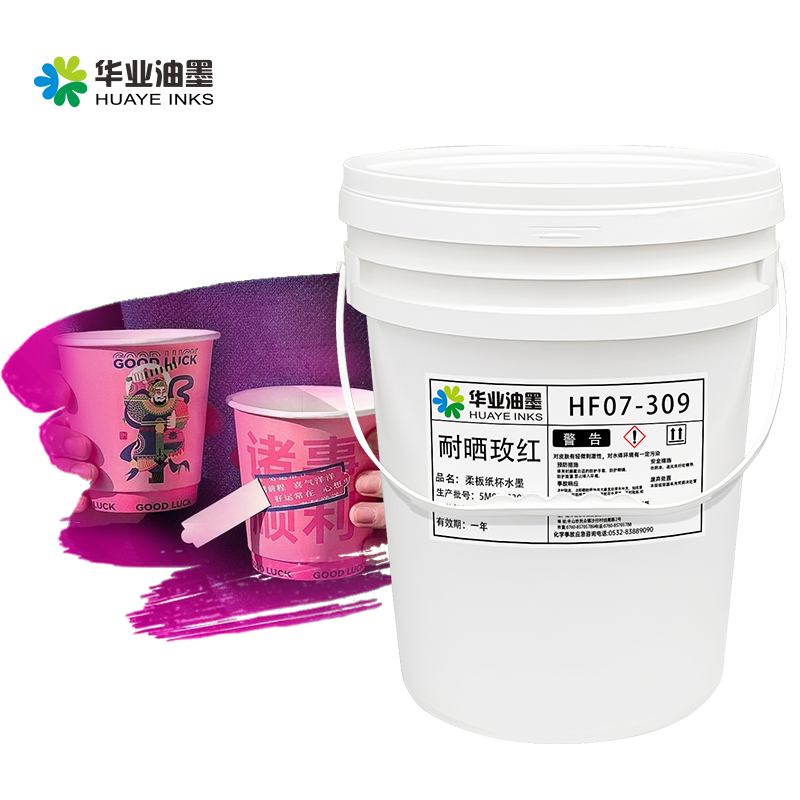
Water based screen ink has emerged as a key player in the modern printing landscape, offering a sustainable and high - performance alternative to traditional solvent - based inks. At the heart of its appeal is the use of water as the primary solvent, which brings about a host of benefits both for the environment and the printing process itself. The composition of water based screen ink is designed to optimize its performance on different substrates. Pigments are the color - giving components, and they are selected based on factors such as color purity, lightfastness, and opacity. High - quality pigments ensure that the printed images are vivid and resistant to fading over time. Binders in water based screen ink serve to hold the pigments together and facilitate adhesion to the substrate. These binders are usually water - soluble polymers that form a continuous film as the ink dries. Additives like defoamers and wetting agents are also included to improve the ink's flow properties, prevent foam formation during the printing process, and ensure even spreading on the substrate. Environmentally, water based screen ink is a clear winner. By replacing volatile organic compounds (VOCs) - rich solvents with water, it significantly reduces air pollution. The low - VOC emissions not only make it compliant with strict environmental regulations in many regions but also create a healthier working environment for printing professionals. This has led to an increasing number of printing companies adopting water based screen ink as part of their commitment to sustainability. In terms of printing performance, water based screen ink offers several advantages. It provides good color saturation, allowing for the creation of vibrant and eye - catching prints. The ink can be formulated to work well on a variety of substrates, including textiles, paper, plastics, and metals. When printing on textiles, water based screen ink creates soft - hand prints, which are highly desirable in the clothing and home textile industries. The ink also offers good resolution, enabling the reproduction of fine details and intricate designs. However, water based screen ink is not without its challenges. One of the main issues is its relatively slow drying time. This can be a bottleneck in high - volume production settings where quick turnaround is required. To address this, printers often use specialized drying equipment or employ techniques such as heat setting. Another challenge is the potential for reduced adhesion on some non - porous substrates. Surface pretreatment methods, such as corona treatment or the application of adhesion promoters, are often necessary to ensure proper ink - substrate bonding. Despite these challenges, the future looks bright for water based screen ink. Continuous research and development efforts are focused on improving its drying speed, adhesion, and overall performance. As the global demand for sustainable printing solutions continues to rise, water based screen ink is expected to gain even more popularity, solidifying its position as an essential part of the modern printing industry.