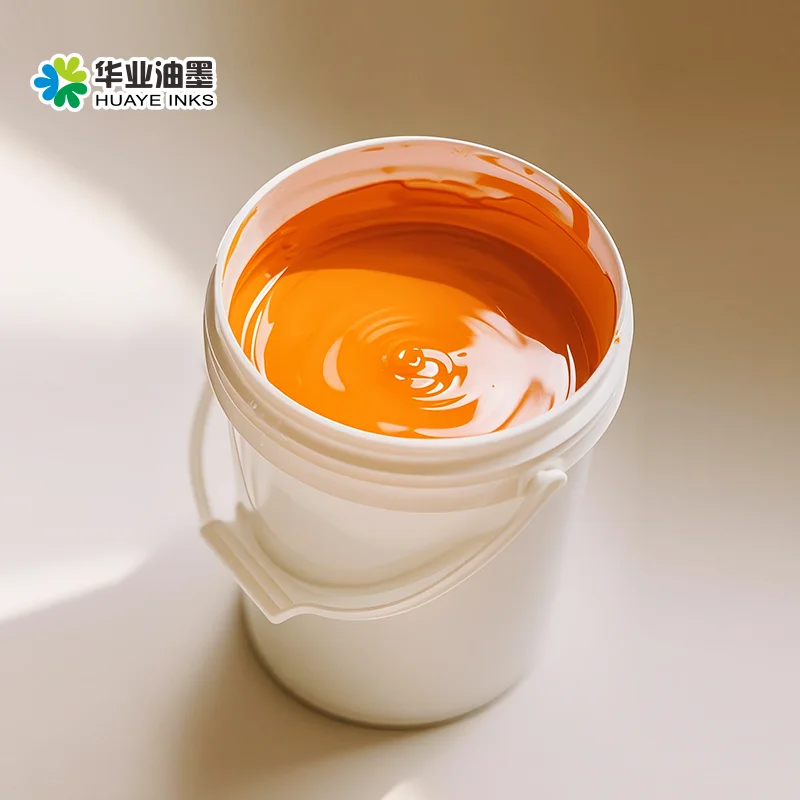
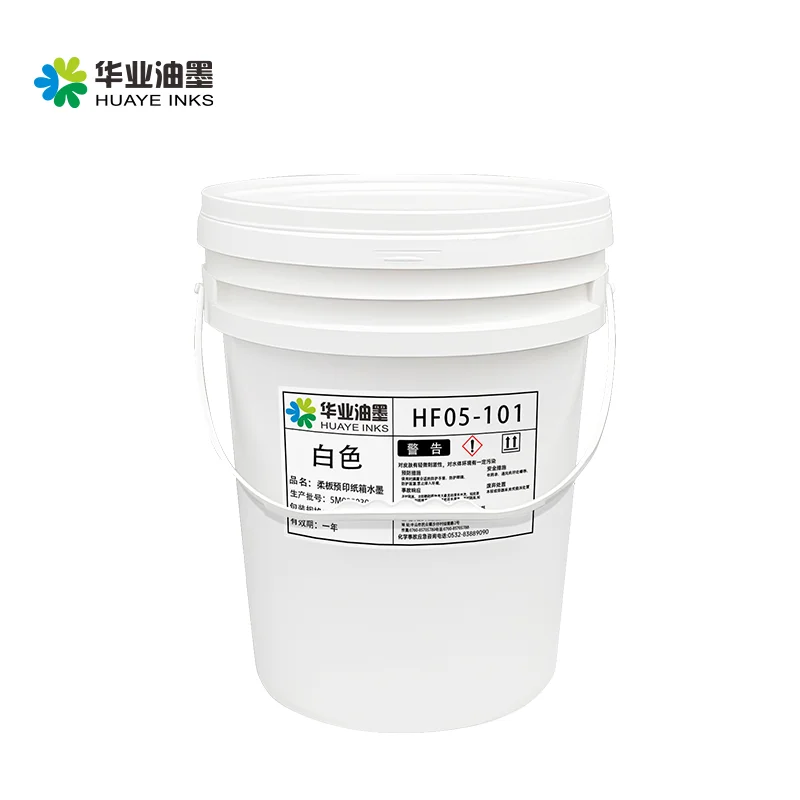
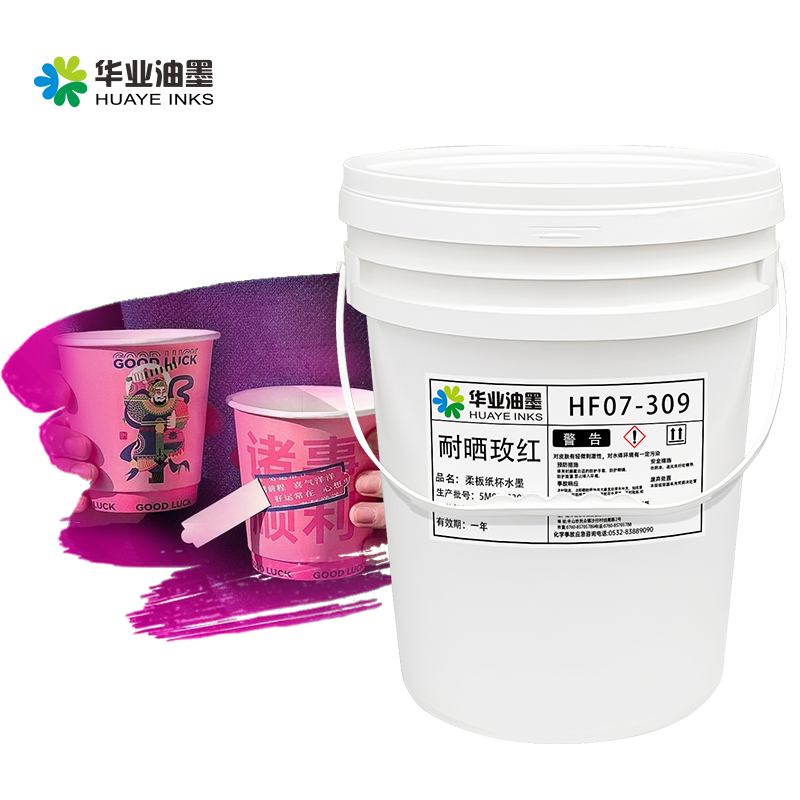
Water based silk screen ink has become a game - changer in the printing industry, offering a harmonious blend of environmental benefits and superior printing performance. This type of ink, with water as its main solvent, has transformed the way printers approach various projects, especially those with sustainability and quality in mind. The formulation of water based silk screen ink is a complex yet precise process. Pigments are carefully chosen based on their color characteristics, lightfastness, and compatibility with the water - based system. High - quality pigments ensure vibrant and long - lasting colors in the final prints. Binders are then added to hold the pigments in suspension and provide adhesion to the substrate. These binders are typically water - soluble polymers that form a cohesive film when the ink dries. Surfactants are also incorporated to adjust the surface tension of the ink, enabling it to flow smoothly through the silk screen mesh and onto the material being printed. One of the most significant advantages of water based silk screen ink is its environmental profile. In an era where environmental concerns are at the forefront, these inks are a breath of fresh air. By using water instead of harmful solvents, they reduce the emission of volatile organic compounds (VOCs). This not only helps protect the environment but also creates a safer working environment for printers, as they are less exposed to toxic fumes. As a result, many companies are turning to water based silk screen ink to meet their sustainability goals and comply with strict environmental regulations. From a printing performance standpoint, water based silk screen ink excels in several areas. It offers excellent color consistency, allowing for accurate reproduction of designs across multiple prints. The inks can be formulated to achieve a wide gamut of colors, making them suitable for both simple and complex printing projects. On textiles, water based silk screen ink produces soft - feel prints, which are highly valued in the fashion industry. The ink adheres well to the fabric without compromising its texture or comfort. Nevertheless, working with water based silk screen ink comes with its own set of challenges. The longer drying time of these inks compared to solvent - based alternatives can slow down production processes. To mitigate this, printers often use drying equipment such as infrared dryers or forced - air dryers. Additionally, on some non - porous substrates, the adhesion of water based silk screen ink may be less than ideal. Special pretreatment techniques, such as surface roughening or the application of primers, are often required to improve ink - substrate bonding. Ongoing research and development in the field of water based silk screen ink are continuously enhancing its capabilities. Newer formulations aim to improve drying speed, increase adhesion, and boost the overall durability of the printed products. As the demand for sustainable and high - quality printing solutions continues to grow, water based silk screen ink is poised to play an even more significant role in the future of the printing industry.