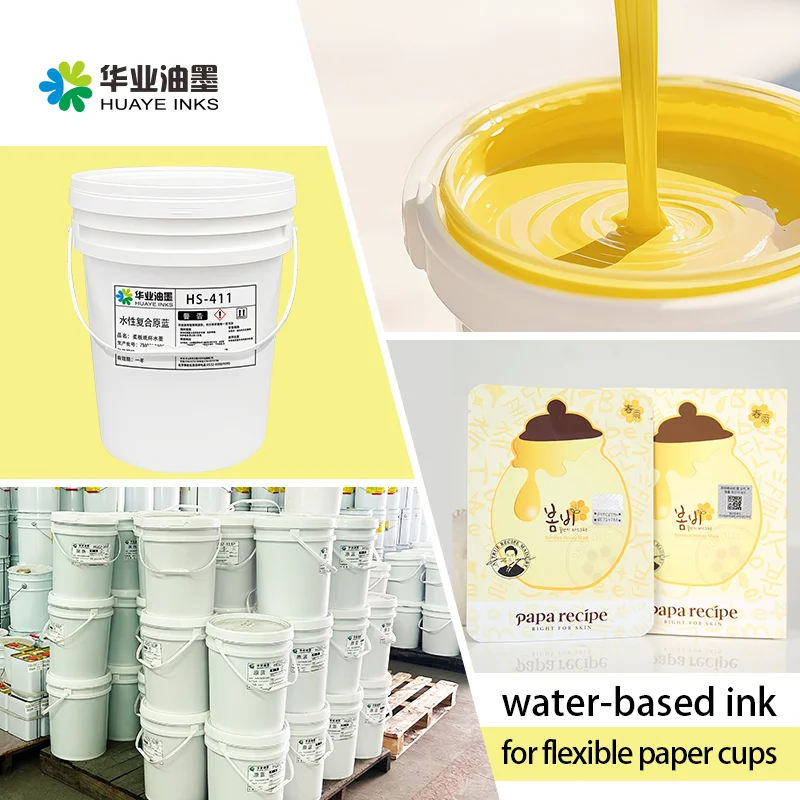
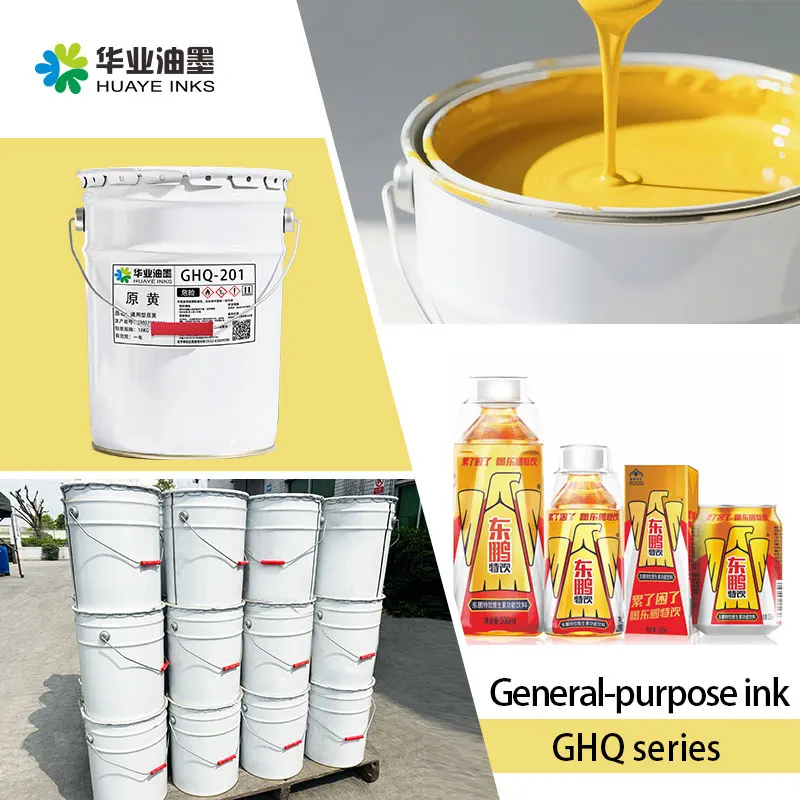
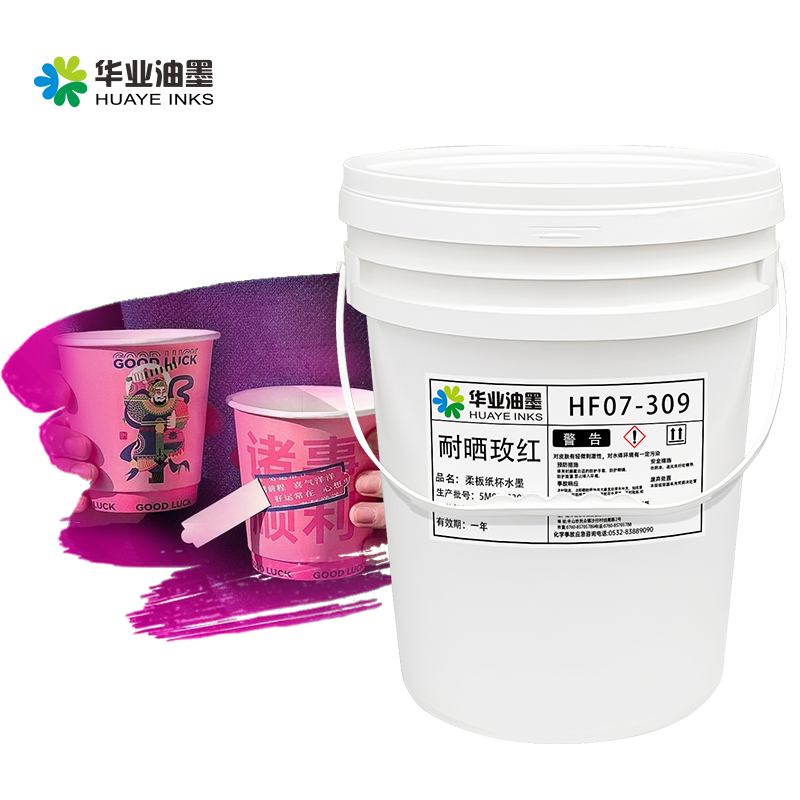
Waterbased ink, also known as water - based ink, has revolutionized the printing industry by offering a sustainable and high - performance alternative to traditional solvent - based inks. At its core, waterbased ink utilizes water as the primary solvent, which brings about a plethora of benefits both for the environment and the printing process. From an environmental perspective, waterbased ink is a game - changer. Traditional solvent - based inks release volatile organic compounds (VOCs) during the printing and drying processes, contributing to air pollution and posing potential health risks to workers. In contrast, waterbased ink emits significantly fewer VOCs, making it compliant with strict environmental regulations in many regions. Additionally, many waterbased inks are formulated using renewable resources, further reducing their ecological footprint. The formulation of waterbased ink is a precise science. Pigments are carefully selected for their color strength, lightfastness, and compatibility with the water - based medium. Binders, typically water - soluble polymers, play a crucial role in holding the pigments together and ensuring adhesion to various substrates. Additives such as surfactants, defoamers, and pH regulators are incorporated to optimize the ink's viscosity, prevent foam formation, and maintain stability during storage and use. Waterbased ink excels in terms of print quality. It offers excellent color saturation, allowing for the creation of vibrant and eye - catching prints. The ink can accurately reproduce a wide range of colors, including Pantone - matched shades, ensuring consistent and high - quality results. It adheres well to diverse substrates such as fabrics, paper, cardboard, plastics, and metals. On textiles, waterbased ink creates soft - hand prints, preserving the texture and comfort of the fabric while providing excellent colorfastness. However, working with waterbased ink does present some challenges. Its relatively long drying time can slow down production processes, especially in high - volume printing operations. To address this, printers often use specialized drying equipment like infrared dryers or forced - air dryers. Additionally, waterbased ink may have limited adhesion on certain non - porous substrates, requiring surface pretreatment or the use of adhesion promoters. Despite these challenges, the continuous advancements in waterbased ink technology are constantly improving its performance. Newer formulations aim to enhance drying speed, improve adhesion, and increase the durability of printed products. As the global demand for sustainable printing solutions continues to grow, waterbased ink is set to play an increasingly important role in the future of the printing industry, bridging the gap between environmental responsibility and high - quality printing performance.