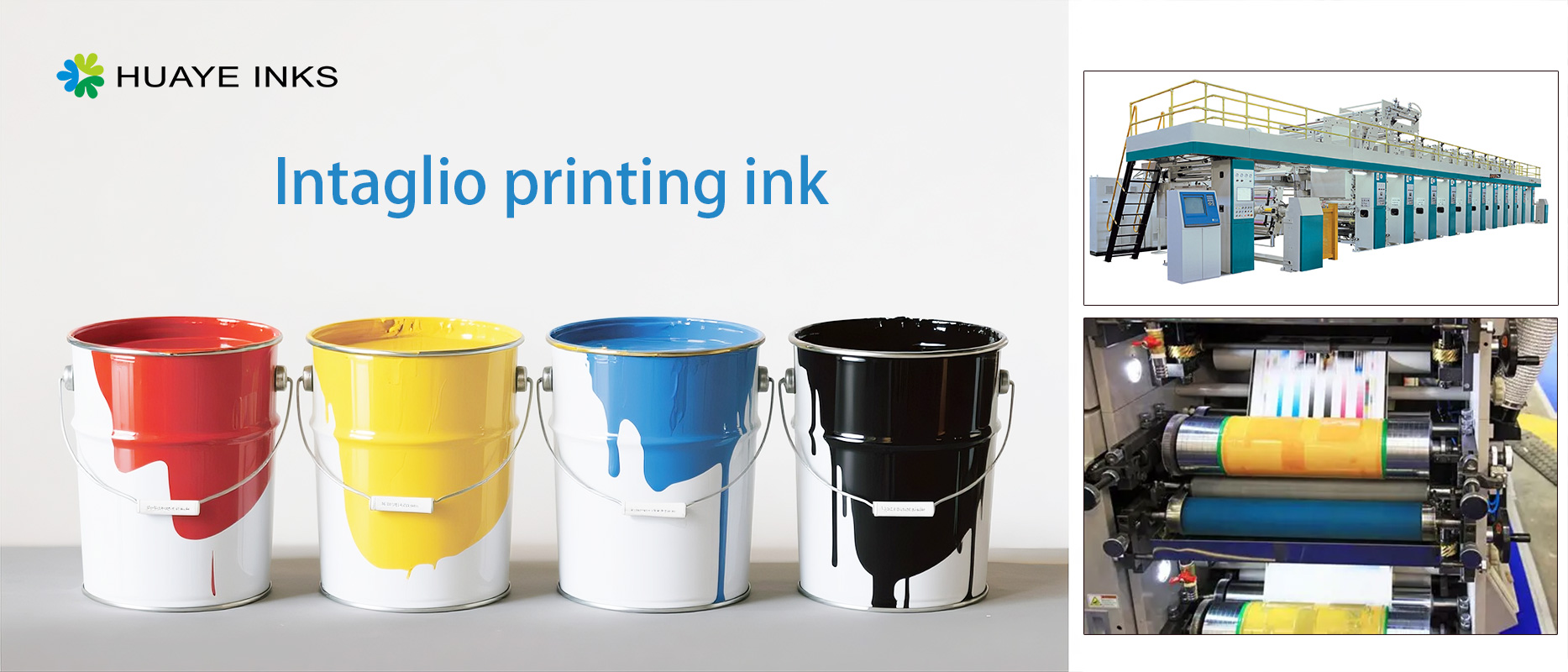
Flexographic printing inks are dynamic systems whose final properties are only realized after the drying or curing phase. The drying mechanism is a primary differentiator between ink types. Water-based inks primarily dry through evaporation and absorption, aided by heated air dryers on the press. The drying speed is influenced by air temperature, velocity, humidity, and substrate porosity. Incomplete drying can lead to blocking (sheets sticking together in the stack) or offsetting (ink transferring to the back of the next sheet). Solvent-based inks also dry by evaporation, but typically much faster, requiring efficient solvent recovery or incineration systems to address VOC emissions and ensure workplace safety. UV flexo inks, however, do not dry by evaporation but through photopolymerization. When exposed to UV light, the photoinitiators decompose into free radicals, which initiate a chain reaction that cross-links the oligomers and monomers into a solid, inert polymer network in milliseconds. This virtually instantaneous curing allows for immediate downstream processing, such as laminating or die-cutting, and results in a finish with superior chemical and abrasion resistance. A key application for UV flexo is on shrink sleeve labels. The printed sleeve is applied to a container and then passed through a heat tunnel, causing the film to shrink tightly to the container's contours. The ink must withstand this intense, rapid heating without discoloring, cracking, or losing adhesion. UV-cured inks, with their fully reacted, thermoset nature, are ideally suited for this demanding process. Another consideration is the ink's compatibility with coatings and adhesives. In flexible packaging, a printed web is often subsequently laminated to another film using adhesives. The ink must not contain components that migrate into the adhesive layer and cause delamination (adhesion failure). This requires careful formulation to ensure the cured ink film is compatible with both solvent-based and water-based laminating adhesives. For labels, a topcoat or varnish may be applied over the ink to enhance gloss or provide specific tactile effects; the ink must therefore have good intercoat adhesion with this overprint varnish. The global regulatory landscape is also a major driver. Regulations such as REACH in Europe, Prop 65 in California, and various food contact regulations worldwide impose restrictions on the substances that can be used in ink formulations. This necessitates a robust regulatory affairs capability and close collaboration with raw material suppliers to ensure global compliance. To learn more about our compliant, high-performance flexographic ink solutions and how they can be integrated into your specific printing and converting processes, please contact our team for a confidential discussion and application review.