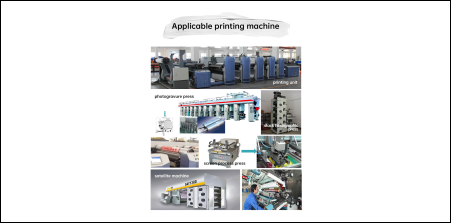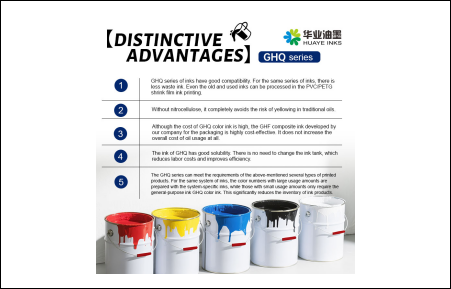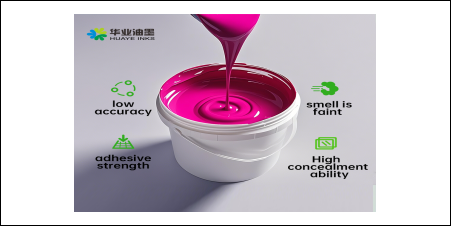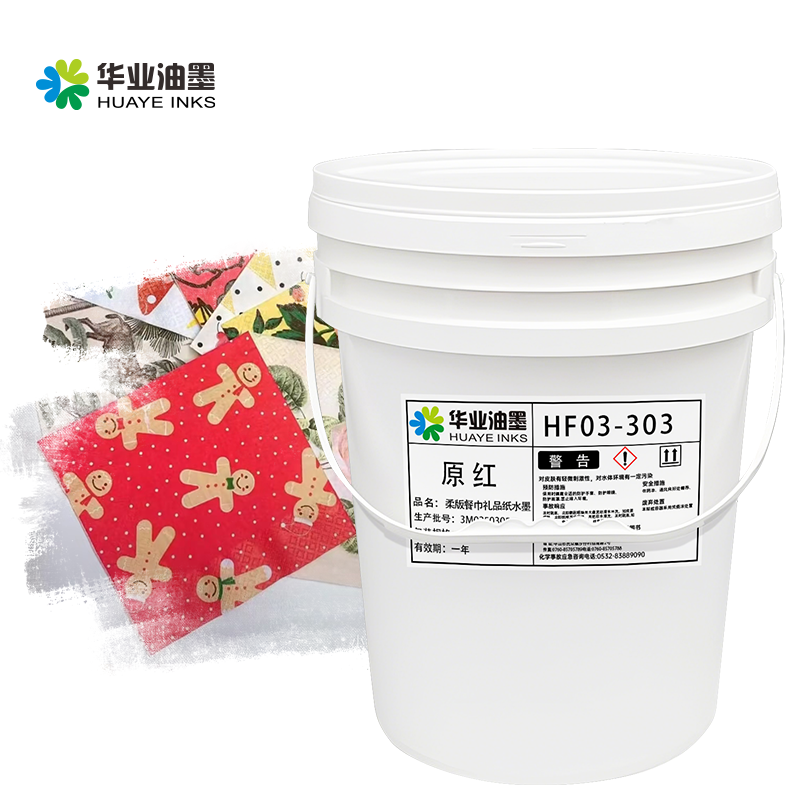

Flexo inks, short for flexographic inks, are specifically designed for use in the flexographic printing process. These inks play a pivotal role in determining the quality, appearance, and functionality of the printed materials, making them a critical component in various industries, especially packaging, labels, and commercial printing. The formulation of flexo inks is a complex balance of different components, each serving a specific purpose. Pigments are the primary source of color in flexo inks. High - quality pigments are selected based on their color strength, hue, lightfastness, and compatibility with other ink components. They are finely dispersed to ensure even color distribution, enabling the reproduction of accurate and vibrant colors on the substrate. Whether it's printing a bold logo on a product label or a detailed image on a packaging carton, the pigments in flexo inks are essential for creating visually appealing prints. The binders in flexo inks act as the adhesive matrix that holds the pigments together and adheres the ink to the substrate. They form a continuous film on the substrate surface after the ink dries or cures, providing durability and protecting the printed image. Different binders are used depending on the substrate material and the end - use requirements. For example, binders for printing on porous paper substrates may have different properties compared to those for non - porous plastic films, ensuring optimal adhesion and film - forming characteristics. Solvents are another crucial component of flexo inks. They control the ink's viscosity, which is vital for proper ink transfer during the flexographic printing process. The right viscosity ensures that the ink fills the cells of the anilox roll and is transferred evenly to the printing plate and then to the substrate. Additionally, solvents determine the drying speed of the ink. Solvent - based flexo inks dry through evaporation, while water - based inks dry by evaporation of water and UV - curable inks cure through a chemical reaction triggered by UV light. Each type of ink offers different advantages in terms of drying speed, environmental impact, and print quality. Additives are often incorporated into flexo inks to enhance specific properties. Anti - foaming agents prevent the formation of bubbles during ink preparation and printing, which could cause defects in the printed image. Wetting agents improve the ink's ability to spread evenly on the substrate, especially for difficult - to - wet surfaces. Other additives may be used to adjust the ink's gloss, hardness, or flexibility, optimizing the ink's performance for different printing applications. With the increasing focus on environmental sustainability, there is a growing trend towards developing more eco - friendly flexo inks. Water - based flexo inks, which use water as the primary solvent instead of organic solvents, are becoming more popular due to their lower volatile organic compound (VOC) emissions. UV - curable flexo inks also offer an environmentally friendly option as they cure instantly under UV light, reducing the need for solvents and minimizing drying time and environmental impact.