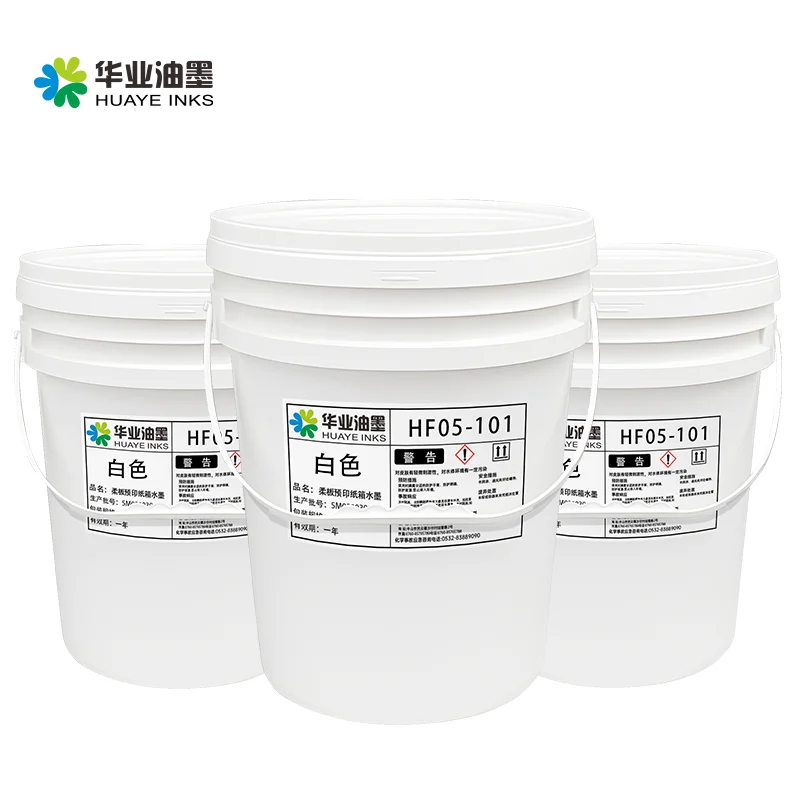
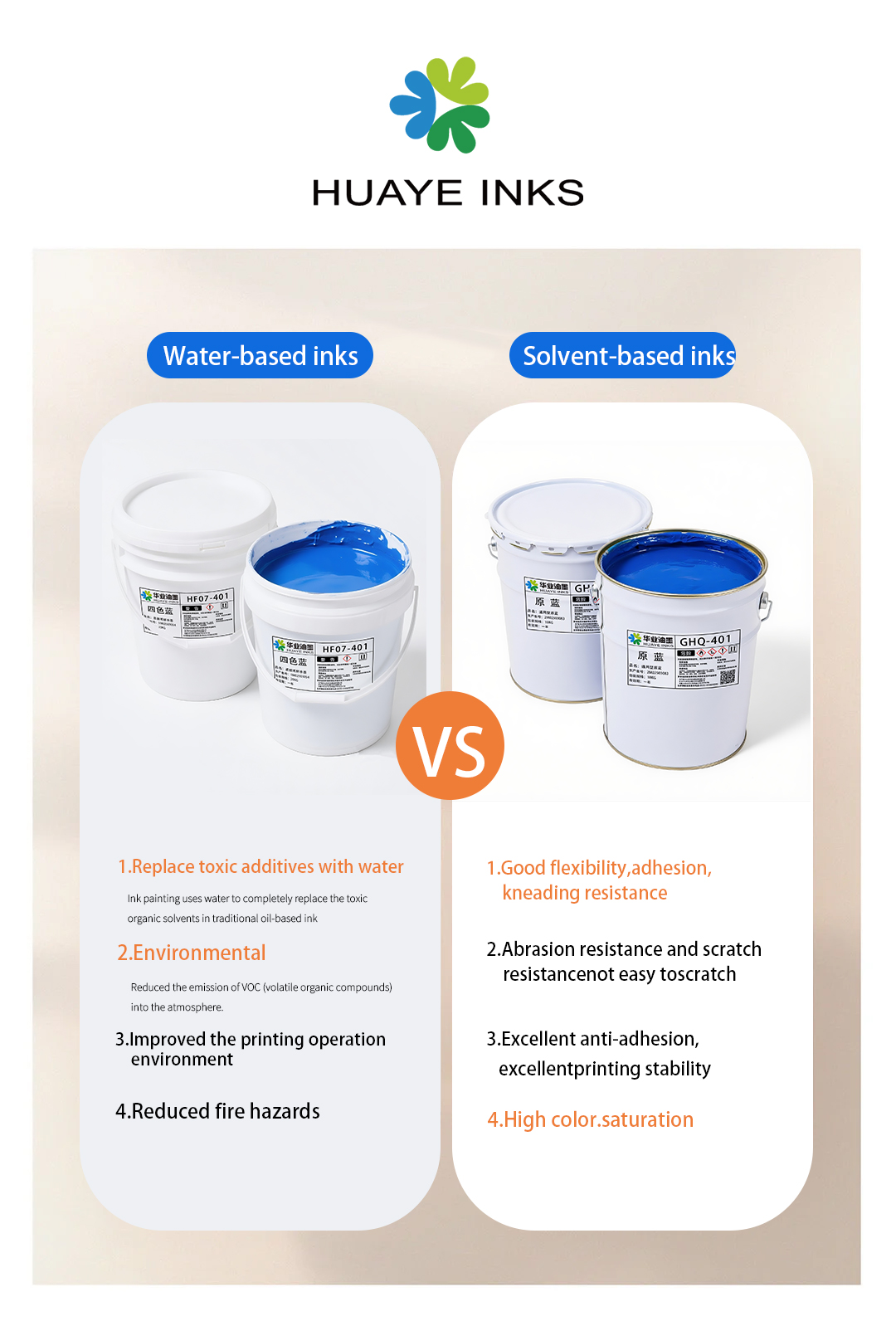
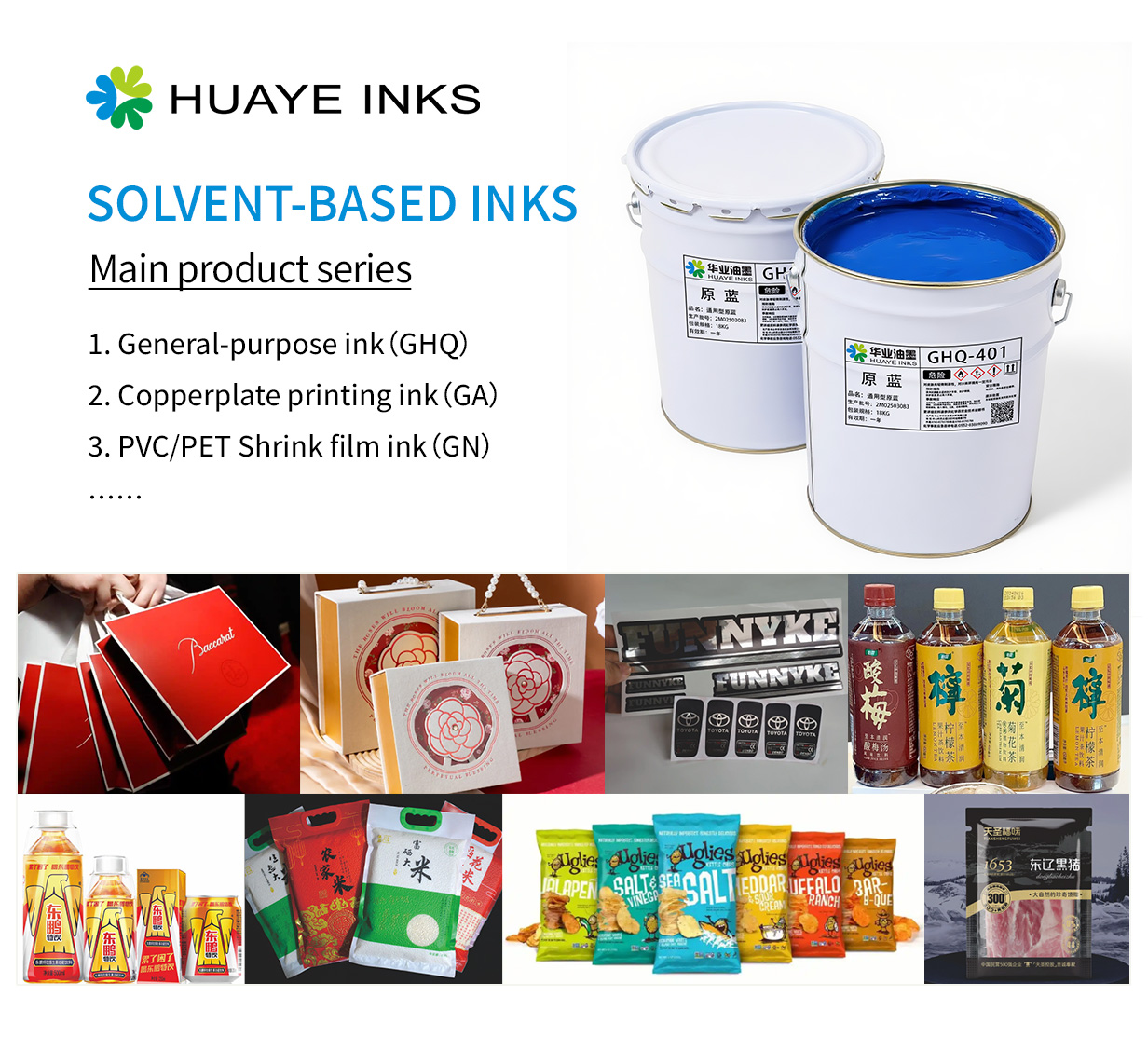
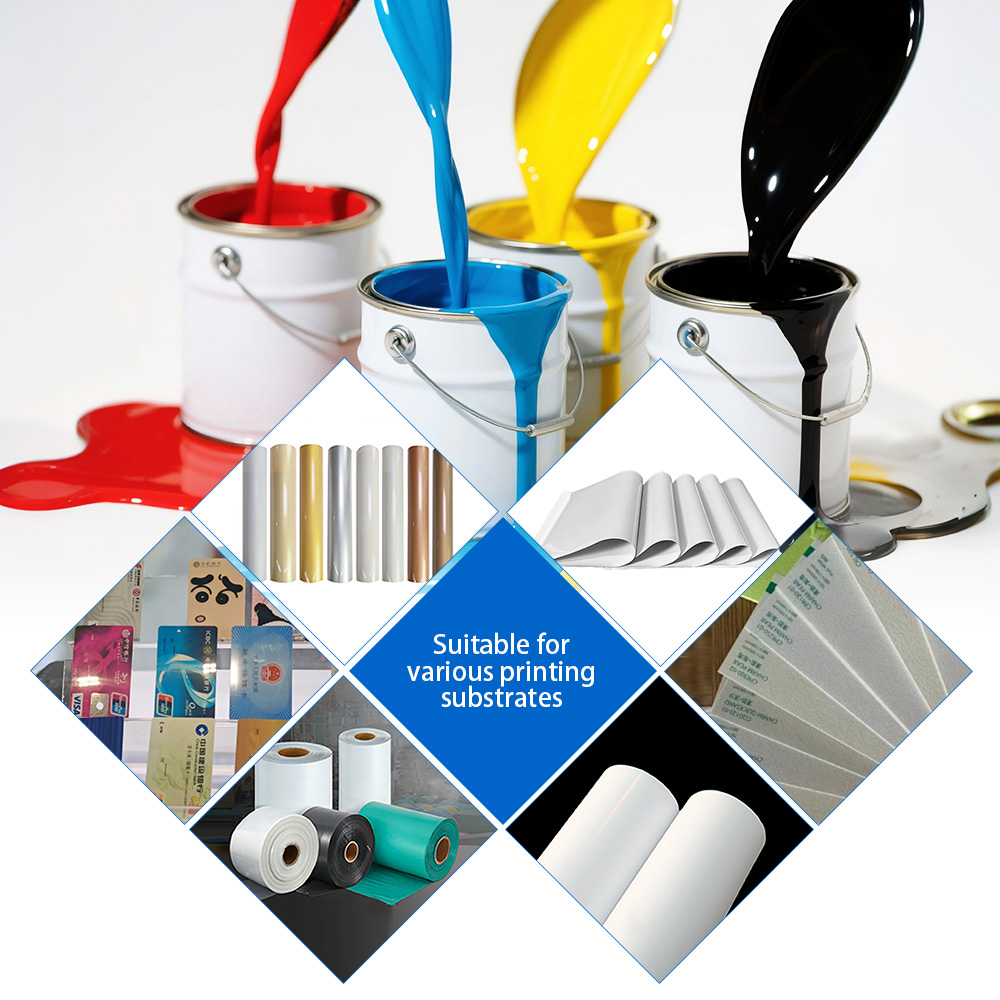
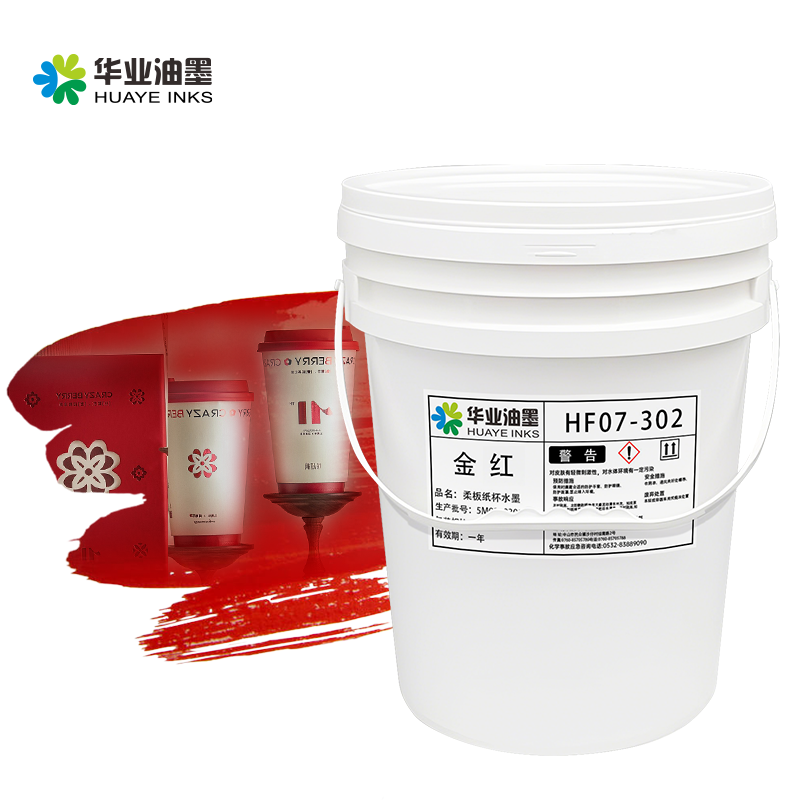
The formulation of flexographic printing inks is a precise balancing act aimed at achieving a set of target properties for a given printing job. Key components include: Pigments, which provide color and opacity; they are selected for their coloristic properties, lightfastness, chemical resistance, and regulatory compliance. Binders (resins), which form the continuous film that binds the pigment to the substrate; they determine adhesion, gloss, flexibility, and resistance properties. Carriers, which dissolve or disperse the binder and carry the pigment to the substrate—water, organic solvents (e.g., alcohols, esters), or reactive diluents (in UV inks). Additives, which are used in small quantities to modify specific properties, such as defoamers, waxes (for rub resistance), dispersing agents, and surfactants (to control surface tension). An important category is metallic flexographic inks, which use aluminum flakes to create a silver, gold, or bronze effect. These inks are notoriously challenging because the delicate flake structure can be easily damaged by shear forces in the pumping and metering systems, leading to loss of metallic brilliance. They often require specialized, low-shear circulation systems and are formulated with resins that orient the flakes parallel to the substrate surface to maximize reflectivity. A common application is on premium liquor labels or cosmetic packaging, where the metallic effect conveys a sense of quality and luxury. Another specialized area is printing on transparent films for reverse printing, where the print is viewed through the film. This requires inks with very high transparency and brilliance, as any haze or milkiness will be apparent. The ink layer must also have excellent adhesion to the reverse-printed substrate, which is often a treated polyolefin film, and must be compatible with the laminating adhesive that will be applied over it. In the corrugated post-print market, where printing occurs directly on the corrugated board, the ink must be able to cover the uneven surface of the flutes without sinking in, a property known as "holdout." This often requires a higher viscosity and specific rheology to bridge the gaps, ensuring a solid, consistent print. Fast drying is also critical to prevent the board from losing its stacking strength due to moisture absorption from water-based inks. For technical data sheets, safety data sheets, and expert advice on selecting the right flexographic ink for your substrate and application—be it for high-quality labels, flexible packaging, folding cartons, or corrugated board—we encourage you to reach out to us. Our team is ready to provide you with the necessary information and support.

 EN
EN