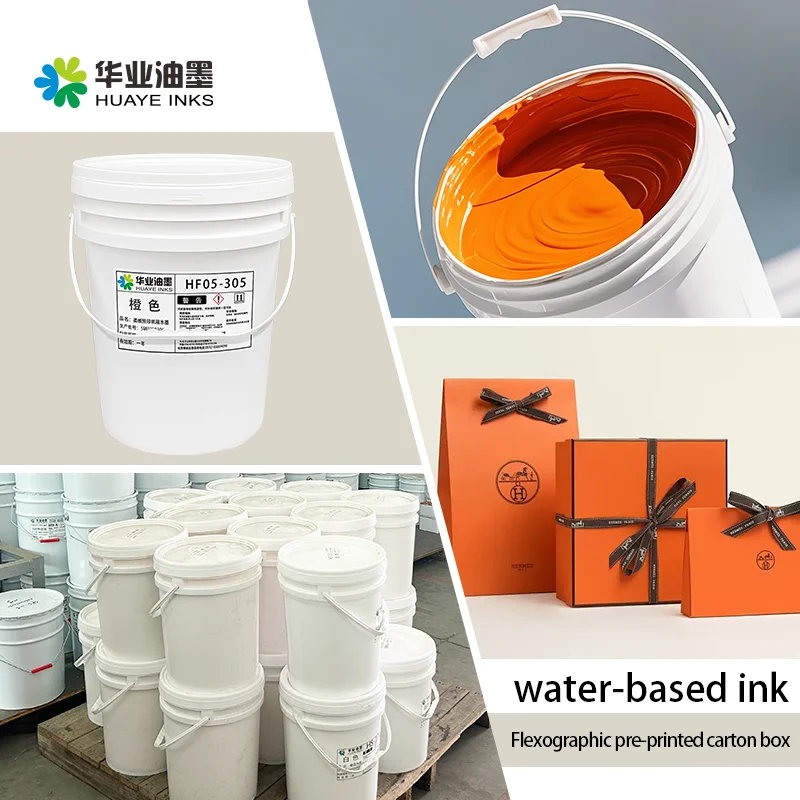
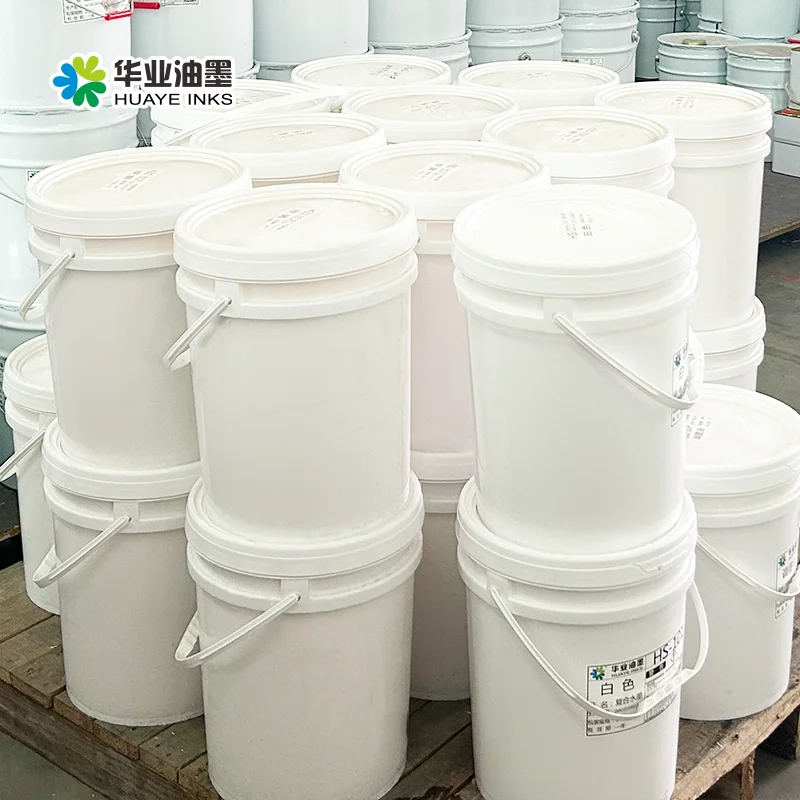
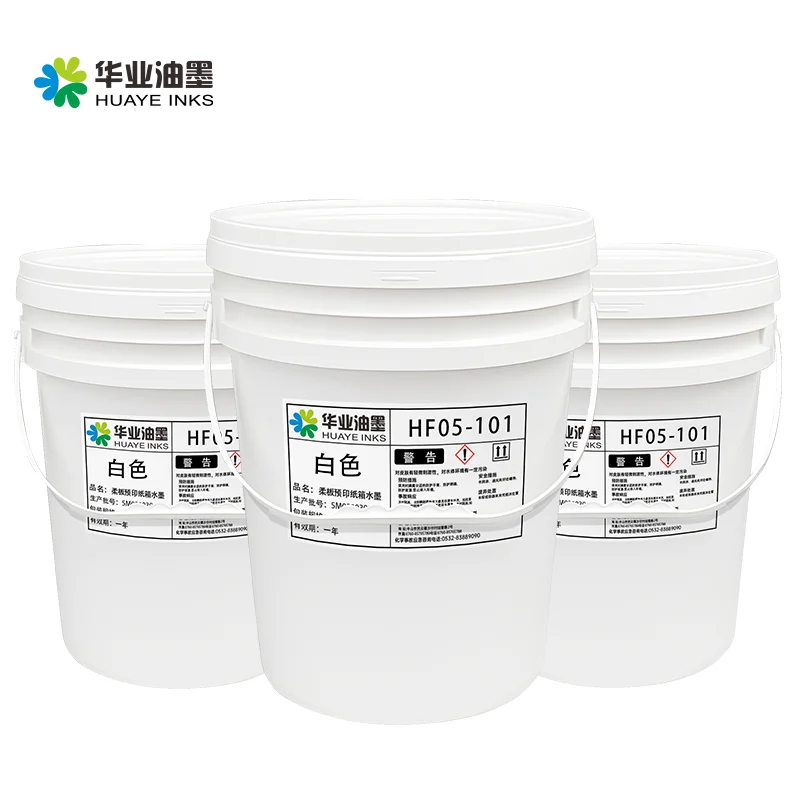
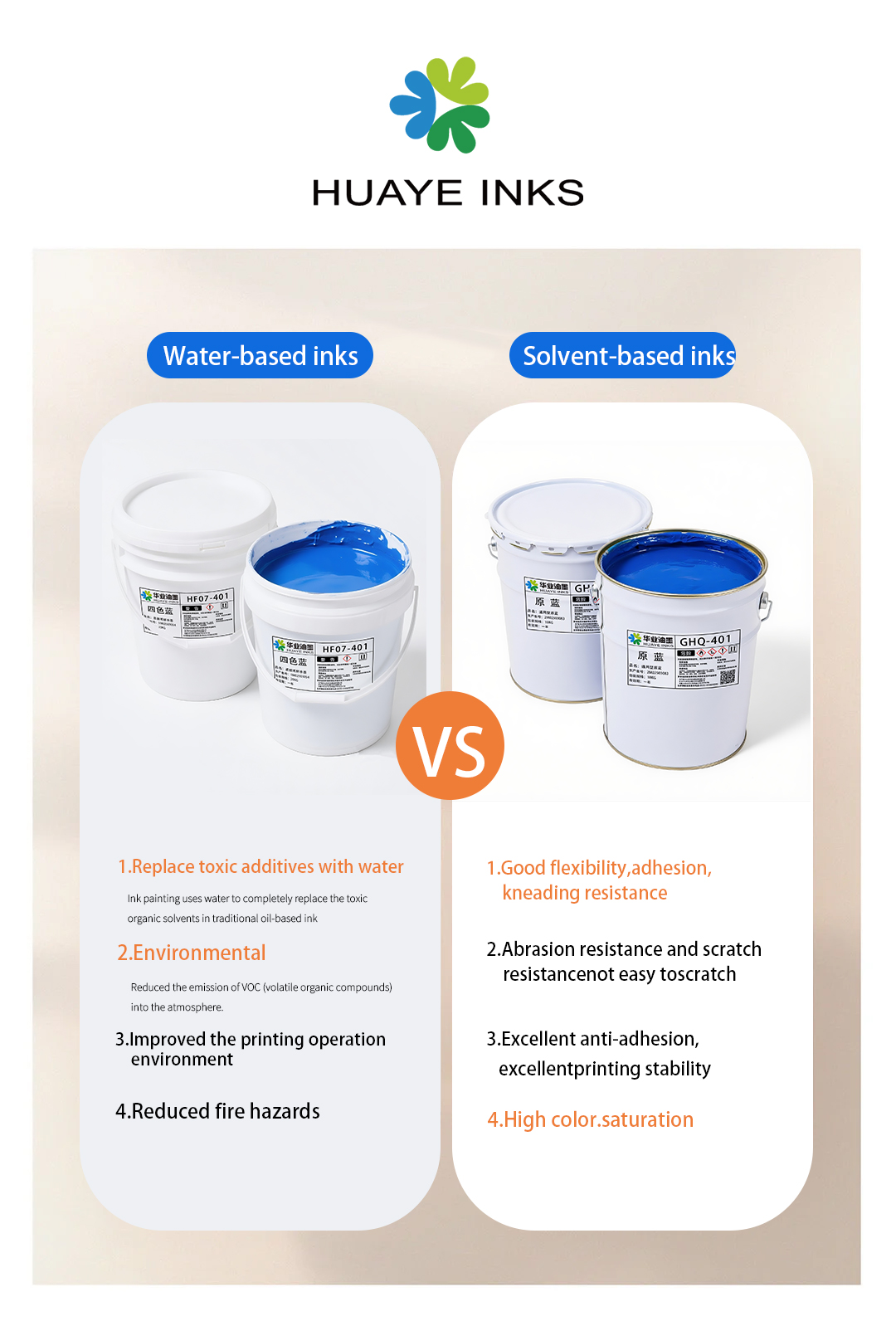
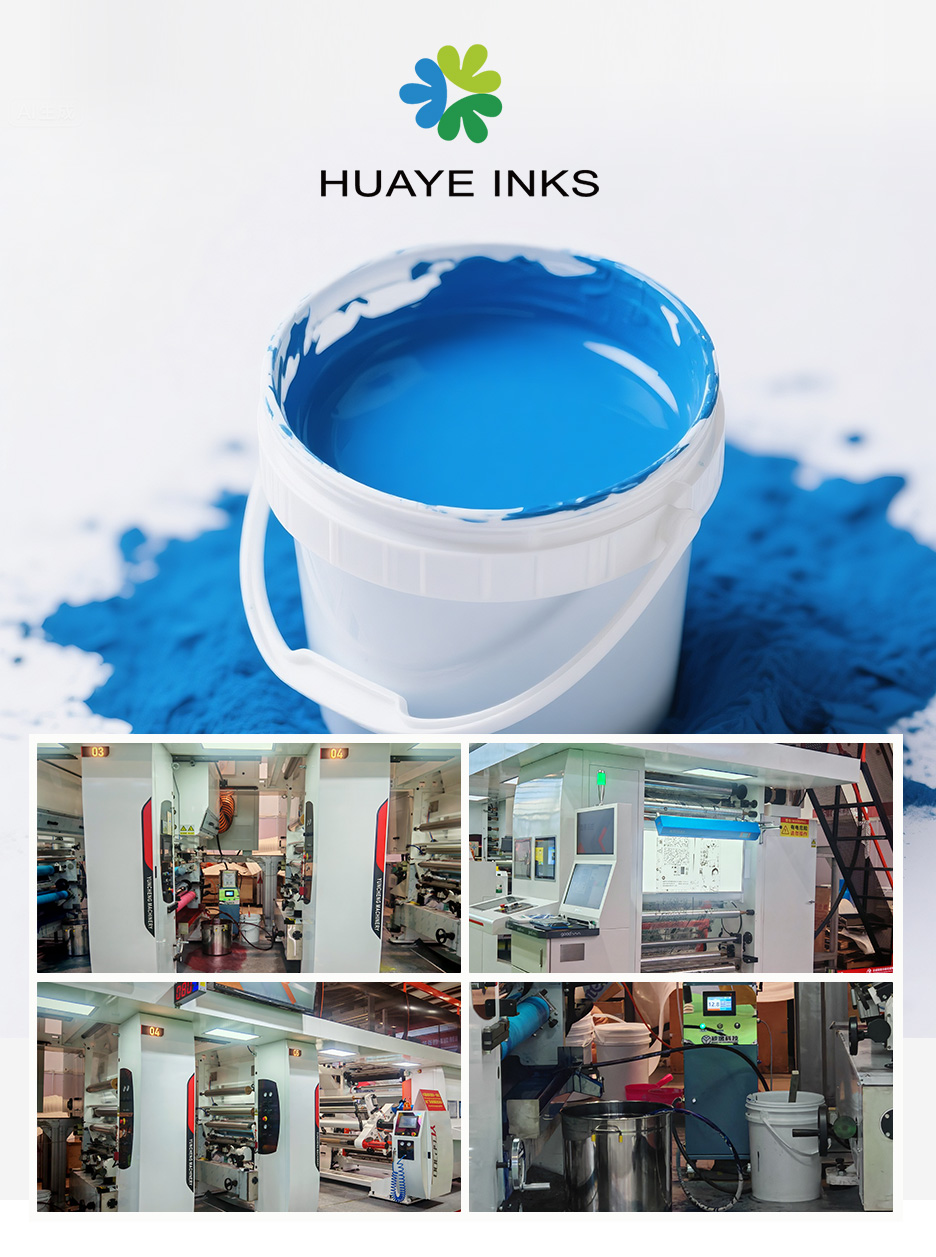
Flexographic printing inks are integral to the production of a multitude of printed products, and their formulation is a precise science aimed at achieving a balance of application properties and end-use performance. The choice between water-based, solvent-based, and energy-curable systems is dictated by the substrate, the press technology, the desired print quality, and environmental considerations. Water-based inks, using water as the primary carrier, are dominant in porous substrate applications like paper, paperboard, and corrugated board. Their advantages include lower VOC emissions, reduced flammability, and easier cleanup. Key performance aspects for water-based inks include water resistance and wet rub resistance once dry, which are critical for packages that may be exposed to moisture, such as beverage carriers or frozen food boxes. Solvent-based inks utilize organic solvents like alcohols, acetates, or ketones as the carrier. They are characterized by very fast drying speeds and excellent adhesion to a wide range of non-porous films. Their main drawbacks are VOC emissions, which require abatement systems, and flammability, which necessitates special handling and storage. They are the traditional choice for high-quality flexible packaging printing on films like BOPP, PET, and NYLON. Energy-curable inks, primarily UV and EB, represent the high-performance end of the spectrum. They offer instant curing, which facilitates immediate downstream processing, and produce a exceptionally durable and chemically resistant print. Their formulation is based on acrylate chemistry, and they contain no volatile carriers, resulting in nearly 100% usage of the formulated material. However, they require a significant capital investment in curing equipment and careful handling due to the potential for skin irritation from uncured materials. A critical consideration for all ink types is their behavior in the printing unit. Ink transfer is influenced by the ink's tack, viscosity, and surface tension, as well as the press speed and the pressure between the plate and the substrate. Anilox roll specification is equally important; the cell volume and geometry must be matched to the ink type and the desired print density. For more information on our diverse range of flexographic inks and guidance on selecting the optimal technology for your specific application, please contact our sales and technical team. We can provide comparative data, application case studies, and arrange for press trials to demonstrate performance.