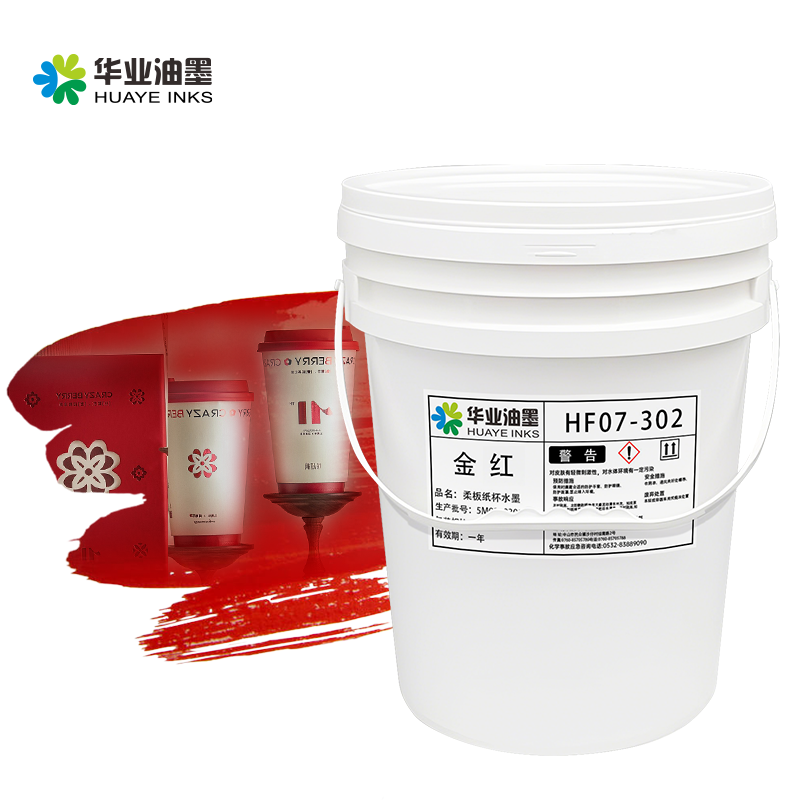
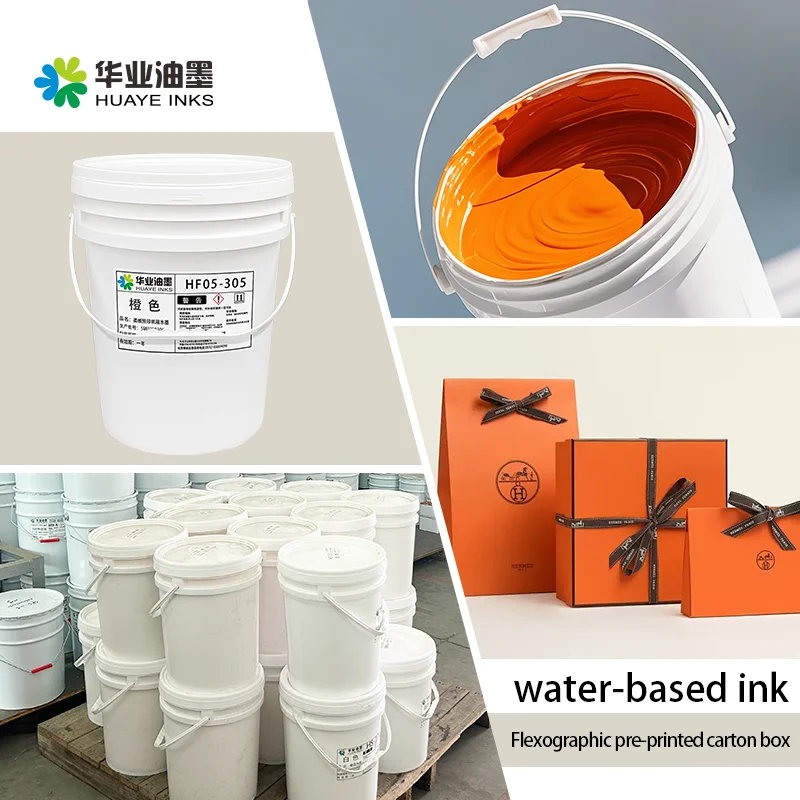
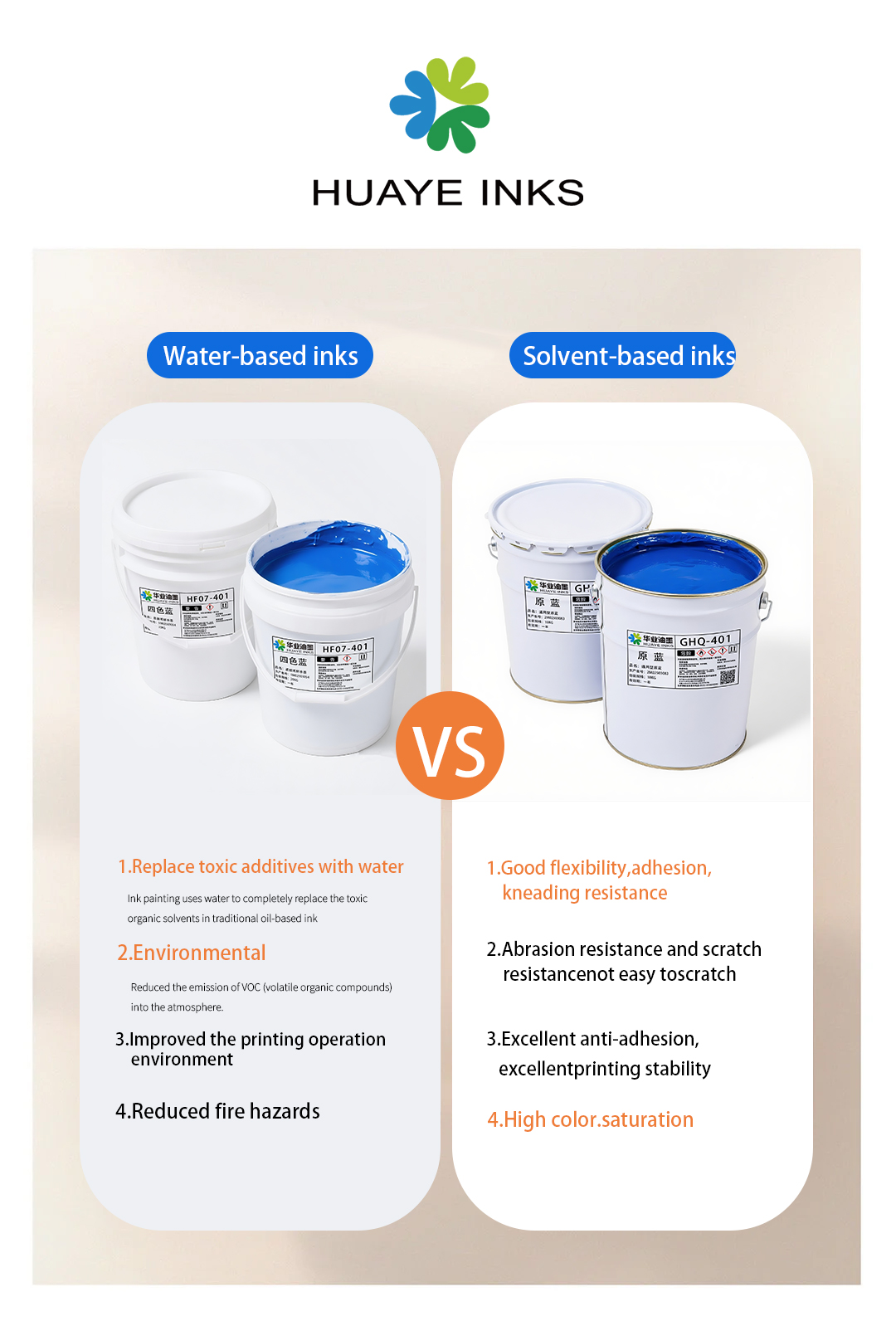
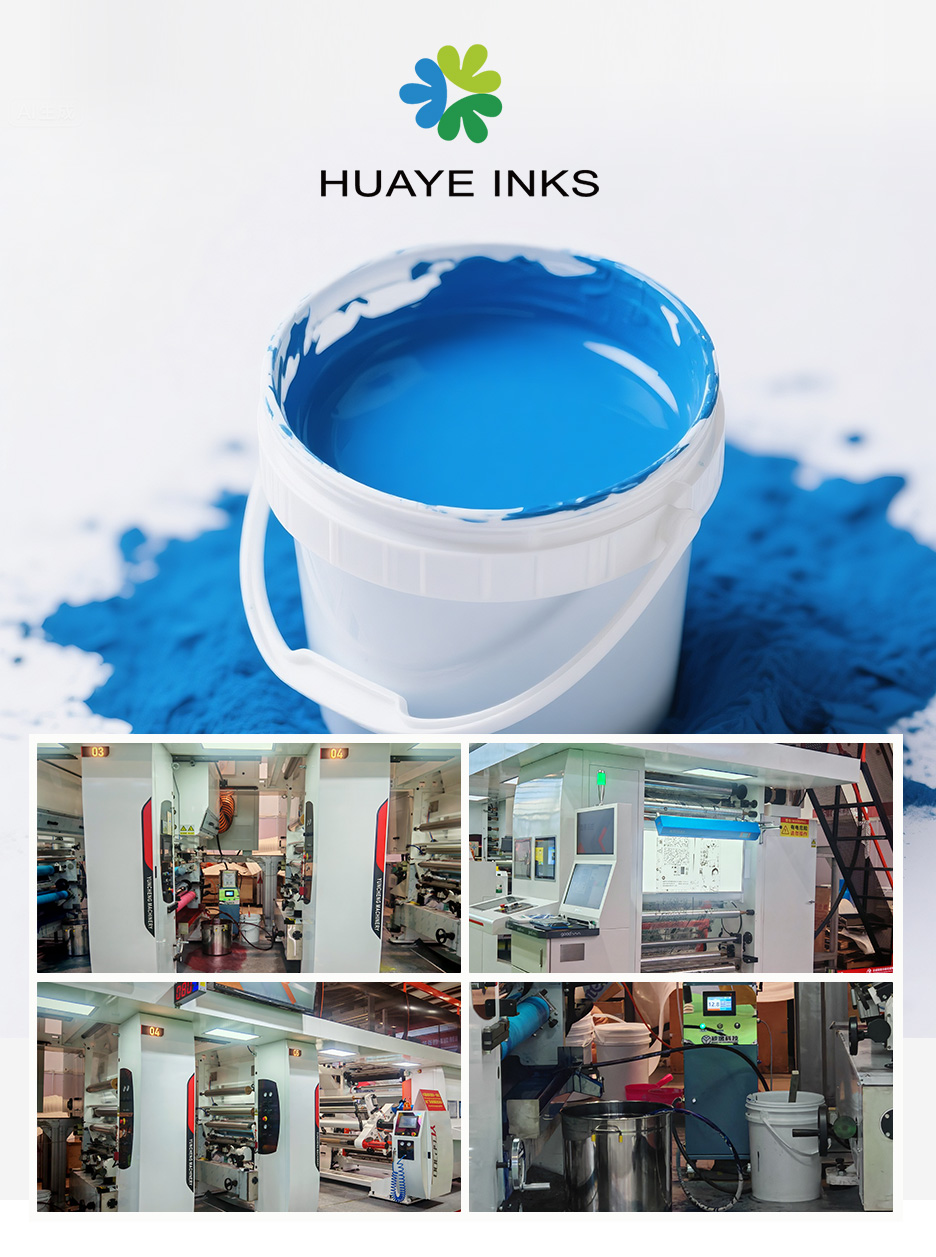
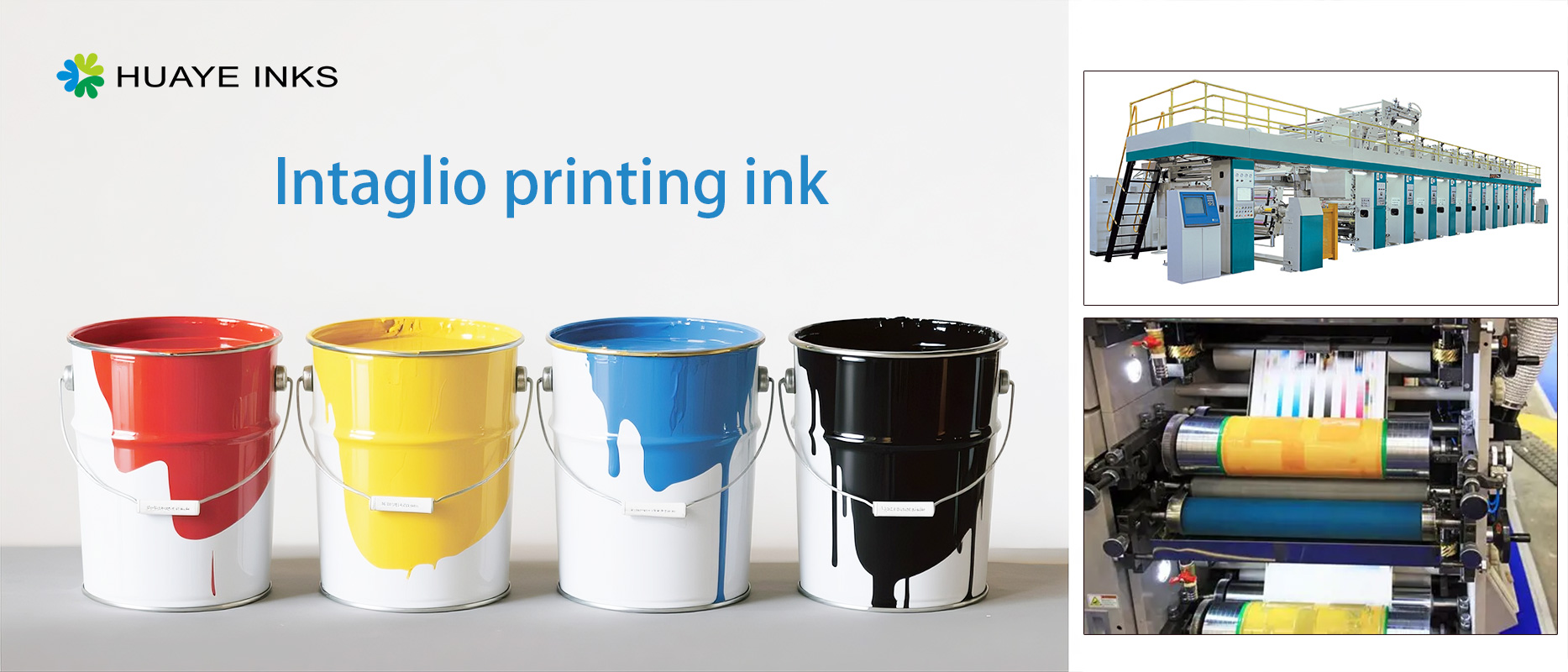
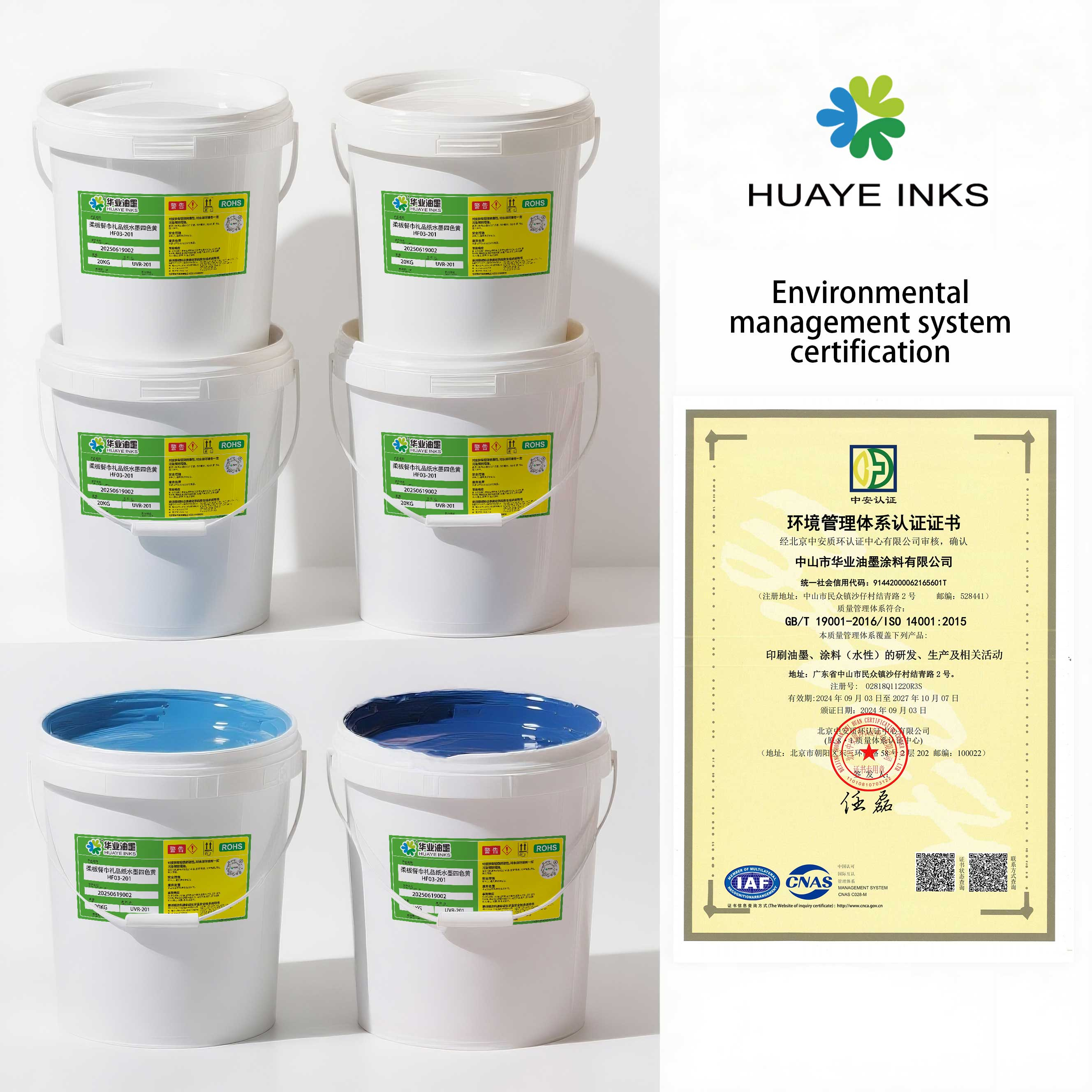
The development and application of flexographic printing inks are central to modern packaging and label printing, offering a versatile solution for high-speed, roll-to-roll production. These inks are fundamentally designed for use with flexible photopolymer printing plates and a central impression cylinder or stack press architecture. Their composition is meticulously crafted to deliver optimal performance on specific substrate families. For polyolefin films such as BOPP and PE, ink formulations often require corona treatment pretreatment and specific resin systems to achieve adequate wetting and adhesion. In contrast, printing on porous substrates like paper and uncoated corrugate demands inks with controlled penetration and quick setting to prevent strike-through and maintain print sharpness. A key area of innovation is in low-migration UV flexo inks for primary food packaging, where rigorous compliance with EU 10/2011 and FDA regulations is non-negotiable. These inks are formulated using specially selected photoinitiators and raw materials to ensure that any potential migration of substances remains below the strictly defined Sensorial Impact Thresholds. A practical case study involves a manufacturer of flexible packaging for snack foods who needed an ink that could withstand the packaging process, including heat sealing, and provide a high-gloss, appealing finish while guaranteeing absolute safety for the food contact layer. The solution was a tailored UV flexo ink system that passed all required migration testing and offered excellent mechanical resistance on the press. Another critical application is in the tag and label sector, where inks must endure post-printing processes like lamination, varnishing, and die-cutting, as well as end-use conditions involving abrasion, weathering, or exposure to chemicals. Here, the choice between water-based, solvent-based, and UV-curable systems depends on the label's function—a water-resistant laundry care label versus a chemically resistant drum label, for instance. The rheological profile of the ink is paramount; it must be stable in the ink pan, transfer efficiently from the anilox roll to the plate, and release cleanly from the plate onto the substrate without misting, even at press speeds exceeding 300 meters per minute. Additives such as defoamers, waxes, and slip agents are incorporated to fine-tune performance, preventing issues like foaming in water-based inks or blocking in stacked reels. For brands seeking sustainability credentials, bio-based and compostable ink variants are emerging, designed to align with circular economy principles for certain packaging streams. The technical service supporting these inks involves comprehensive color management, anilox roll specification advice, and troubleshooting support to minimize downtime and waste. To receive specific information on our flexographic ink portfolio, including technical data sheets, safety data sheets, and guidance on regulatory compliance for your target markets, please do not hesitate to get in touch with us for a personalized discussion.