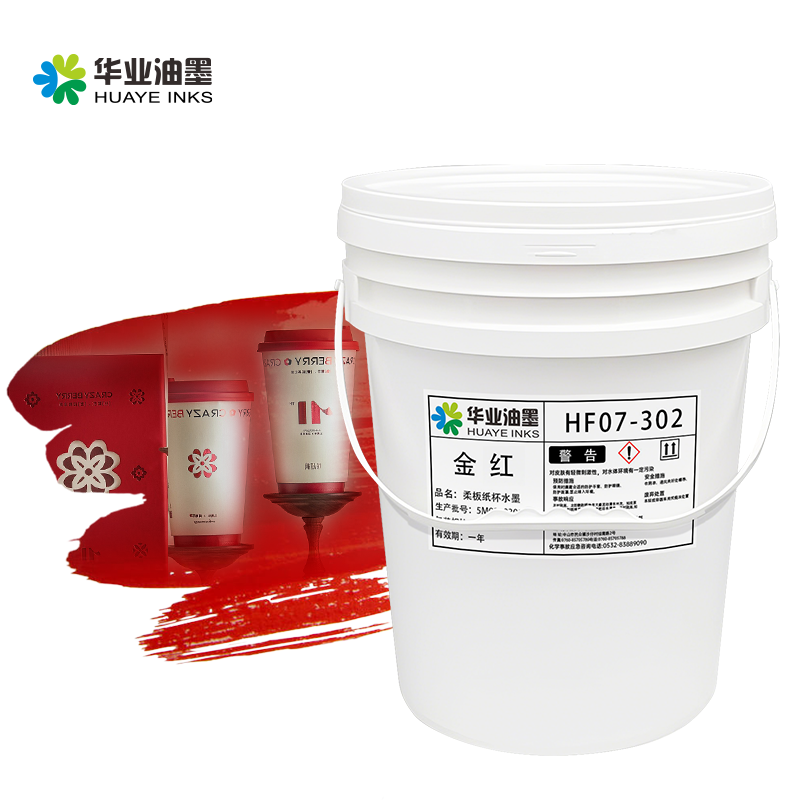

Flexographic printing inks are specialized formulations designed for the unique demands of the flexographic printing process, which is renowned for its ability to print on a wide variety of substrates at high speeds. A deep understanding of the interaction between the ink and the substrate is paramount. The surface energy of the substrate, measured in dynes/cm, must be higher than the surface tension of the ink to ensure proper wetting and adhesion. For polyolefins like polyethylene (PE) and polypropylene (PP), which typically have low surface energy (around 30-34 dynes/cm), surface treatment via corona, flame, or plasma is almost always necessary to raise the surface energy to a level (typically >38 dynes/cm) that allows the ink to spread evenly and adhere. A failure in this interfacial adhesion can result in the ink beading up (crawling) or being easily rubbed off. Consider the application of printing on the inside of a clear plastic tub for yogurt. This is a reverse print application, and the ink layer will be in direct or indirect contact with the food. Therefore, the ink must be absolutely safe, complying with the strictest food contact regulations, and must also possess excellent resistance to the yogurt's acidity, moisture, and potential for abrasion during filling and shipping. A high-performance, low-migration UV flexo ink is often the only viable option for such a critical application. Another scenario involves printing on heavy-duty corrugated boxes for automotive parts. The ink film must be tough enough to resist scuffing during multiple handlings, warehouse storage, and transportation. It must also have good lightfastness if the boxes are stored in areas with exposure to sunlight. Here, a pigment-rich, robust water-based or UV ink would be specified. The press environment itself can affect ink performance. High ambient humidity can slow the drying of water-based inks, while low humidity can accelerate solvent evaporation in solvent-based inks, leading to viscosity increases and potential plate drying. Temperature fluctuations can also impact viscosity and drying speed. Therefore, a controlled pressroom environment is ideal for maintaining print consistency. To receive personalized assistance in selecting the correct flexographic ink for your specific substrate, end-use requirements, and press conditions, and to obtain information on our product's technical characteristics and regulatory certifications, please do not hesitate to contact us. Our experts are here to ensure your printing success.