
 EN
EN


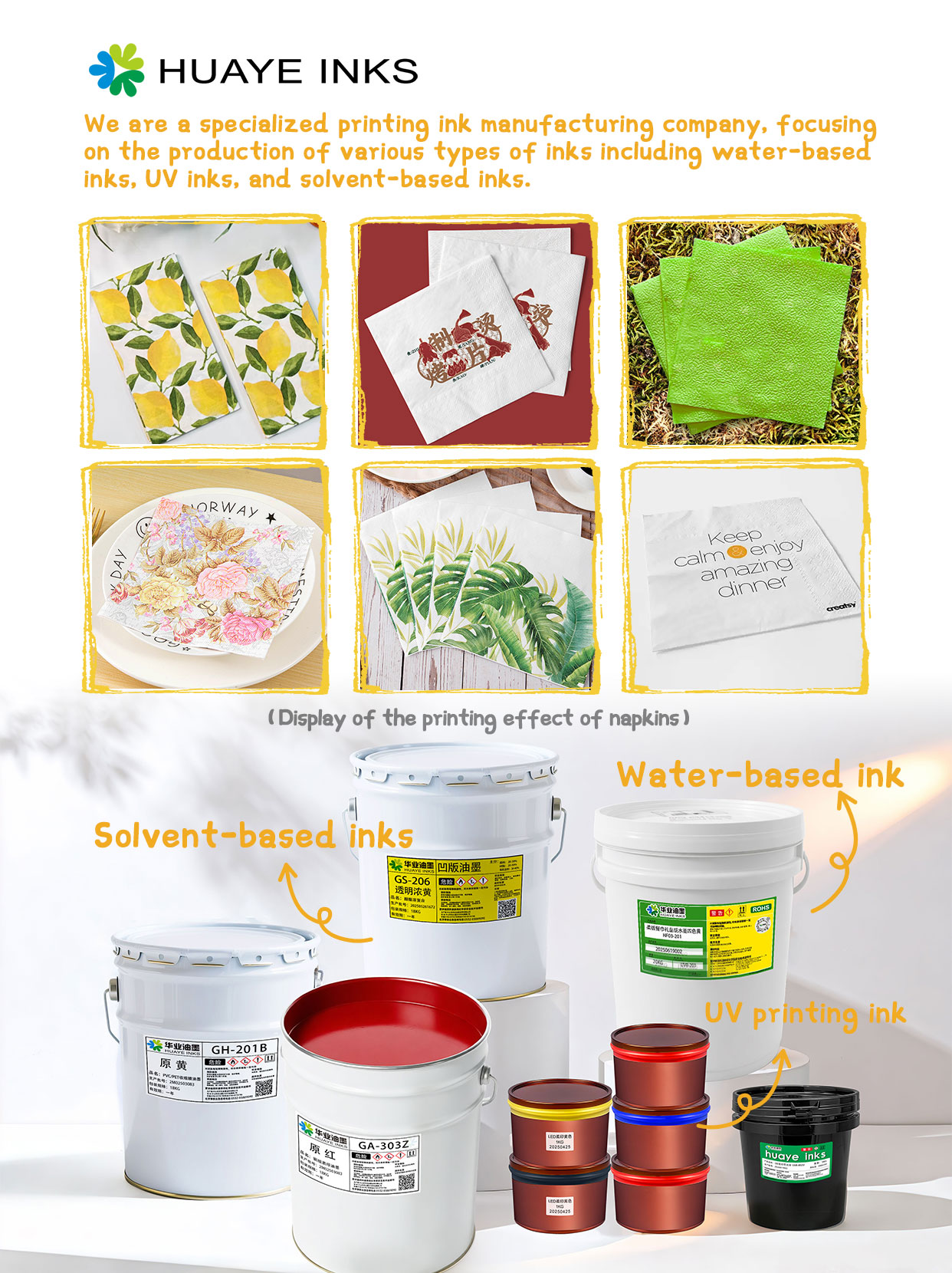
Cur Inkta Flexographica Aquosa Idealia Sunt ad Applicationes in Naporum Textilibus
Securitas, conformitas ad contactum cum cibis, et congruentia cum regulis pro naporum textilibus ad unum usum
Ad productionem naptarum, inka flexographica aquosa iam in tota industria norma evaserunt, quia per naturam suam sunt incruenta et omnibus necessariis regulis satisfaciunt. Haec inka nullas res noxias, ut metalla gravia, phthalatos aut solventa periculosa, continent. Omnia requisita FDA sub 21 CFR Parte 176.170, necnon Regulatio Unionis Europaeae numerus 10/2011 de materiis quae casu cum cibis contactum habere possint, adimplet. Niveles COV infra 5 % manent, quod multo infra limites a both EPA et Unione Europaea admissos pro emissionibus solventium statutum est. Hoc significat operarios non exponi fumis nocivis dum haec producta fabricant, simulque minus damni ambienti in universum inferatur. Antequam quidquam in commercium veniat, nova formula inkarum per experimentum OECD 202 de toxicitate acuta examinatur. Hoc confirmat eas non causaturas molestias in usu humano, quod praesertim magni momenti est, quoniam hae naptarum impressae saepe directe cum cute contactum habent.
Excellentis compatibilitas cum substratis textilibus absorptivis sine detrimento vivacitatis
His inks specialibus, quae ad usum in textilibus porosis et levi ponderis basis destinatae sunt, optime funguntur ubi optiones tradicionales deficiunt. Viscositas earum inter 18 et 22 secundas variat, mensura facta in vasculo Zahn #4; itaque aequabiliter sparguntur per superficies, ne nimis profundum in materiam penetrantes. Formula continet componentem resinam acrylicam, quae vere coniunctiones chemicas cum fibris cellulosis in plurimis productis papyraceis efficit, pigmentum ad superficiem propius retinens. Tres praecipui commoda ex hac formula consequuntur. Primum, migratio inki minimae est, infra 0,5 mm profundi, quod visibilem effectum fortiorum impetum in impressione parit. Secundum, tempus siccationis sub 1,2 secundis cadit ad temperaturam centum graduum Celsius, ita ut ad lineas productionis aptae sint, quae ultra mille pedes per minuta current. Tertium, ambitus colorum ad circiter 98 procentum similem attingit ei, quem alternativa solventa offerunt, omnia tamen ad normam ISO 2846-1 de constantia colorum exacte servantes. Quod in praxi consequimur sunt colores lucidi, qui in operibus processualibus celeribus manent, nec delicatas fibras laedunt nec fastidiosas pilos superficiales generant.
Praestatio Inki a Substrato Impulsus: Absorptio, Energia Superficialis, et Qualitas Impressi
Quomodo Porositas et Nivel Dyne in Napkinis Influunt Penetrationem Inki, Siccationem, et Robur Coloris
Quam bene napkinae funguntur revera pendet ab interactione materiae cum inko adhibito. Porositas significat quidem quam cito papyrus liquorem suscipit, quod magnopere afficit ubi inkm situs sit. Cum de materiis altius porosis agitur, ut sunt quae valorem Cobb60 superant tricesimum secundum, haec inkm statim in fibras suggerunt. Ita res cito siccantur, sed color quoque tantum diffunditur ut non tam vivide appareat quam oporteat. Ex altera parte, cum materia minus porosa est, maxima pars inki in superficie manet. Coloribus fortioribus et vividioribus apparet, sed et hic casus habet suum incommodum: si inkm non siccet cito satis ad velocitatem machinae imprimendae, omnia confunduntur et corrumpuntur.
Energia superficialis materialium, quae in dynis per metrum quadratum (mN/m) mensuratur, determinat utrum incaustum late diffundatur an potius guttas formet. Cum superficies naptarum dyneos infra 36 mN/m habent, eas substantias umidas recte non accipiunt. Hoc ad incausti tegmentationem inaequalem et ad marginem confusum ubi impressio cum charta coniungitur ducit. Ex altera parte, cum substrata specialiter tractata sunt aut ita designata ut supra 38 mN/m perveniant, multo meliores condicionis ad imprimendum praebentur. Haec superficies altioris energiae aequales incausti pelliculas, distinctas semitonos et firmam pigmentorum adhaesionem permittunt. Haec res maxime importans est, cum operis pluribus coloribus agitur, qui accurate inter se congruere debent, aut cum textus minuti, ut serifi et ligaturae, in impressionibus altae qualitatis redduntur.
| Parameter | Effectus in Incaustum Flexographicum | Impactus in Qualitatem Impressionis |
|---|---|---|
| Alta Porositas | Rapida Penetratio | Celerius Siccatur, Minus Vividum |
| Porositas parva | Retentio Superficialis | Locupletior Color, Lentoius Siccatur |
| Inferior Nivelis Dyneorum | Mala Humectatio / Guttae Formatae | Tegmentum Inaequale, Margines Infirmae |
| Altus Nivel Dyne | Adhaesio Uniformis | Particulae Acutae, Fidelitas Colorum |
Optimum aequilibrium in napkinis modice porosis (15–25 sec Cobb60) coniunctum cum energiis superficialibus ≥38 mN/m reperitur: haec configuratio penetrationem moderatam et subtilem fovet—pigmenta sub superficie tantum retinens ad maximam opacitatem et resistentiam contra effusionem, sine detrimento efficaciae siccationis.
Consequi Vividos Colorum Reproductiones Cum Inks Flexographicis in Napkinis Tissularibus
Optimizare Onus Pigmenti, Rheologiam, et Kineticam Siccationis ad Vividam Efficaciam Maximam
Colorum vivacium consequentia ex eo pendet, quam bene pigmenta per materiam diffundantur. Cum plus pigmenti in misturam addimus (sed intra ea, quae systema sustinere potest), coloribus revera magis elucescunt, sine ut problemata ut agglomeratio aut obturatio orificiorum oriatur. Fluxus atramenti ita est modificatus, ut lateralis diffusio in textilibus, quae liquida facile absorbeant, prohibeatur. Haec peculiaris fluxus proprietas atramentum permittit ut a rotula anilox ad formam typographicam primo moveatur leniter, deinde cito in figuram suam restituatur post depositum, ita ut nullus effectus pinnationis circa areas impressas appareat. Tempus siccationis acceleramus per meliores combinationes solventium simul cum aliquo tractatu caloris infrarubri, quod pigmenta in superficie ipsa constringit, inter 10 et 15 micrometra in profunditate. Hoc praebet intensitatem coloris fere 40 % maiorem quam formulae vulgares. Et, quod maxime refert, omnes hae emendationes adhuc normas securitatis pro materiis contactus cum cibis secundum regulas FDA adimplent.
Conservatio subtilis detailliorum, acuitatis marginum, et resistentiae ad delinendum in celeri impressione flexographica
Ad obtinendas impressiones qualitatis photographicae, plurima factora accurate administranda sunt. Viscositas inter 20 et 60 cP manere debet, ut tinctura bene fluat et puncta nitora servet, etiam cum ultra mille pedes per minutam moveatur. Cum materia superficiem tangit, tensio superficialis statim minuitur, ita ut substractum integre madefaciatur in minus quam decima secundi. Mixtura nostra specialis acryli et urethani duras, resistentes ad scabrasionem pelliculas creat, quae in circiter tribus decimis secundi perfecte siccantur. Secundum examina independens facta in systematibus impressionis flexographicae, haec materialia plus quam 98 % acutarum suarum marginum post processus conversionis retinent. Id significat elementa importantia brandi, ut insignia, transitiones colorum, et minuta scripturae particulae, per omnes operationes impachetandi, per congeriem faciendam, et per usum consuetum a clientibus perspicua manent, sine ullis difficultatibus quae ad normas securitatis alimentariae pertinent.
FAQ
Quid sunt inkae flexographicae aquosae?
Inkta flexographica aquosa sunt inkta quae aquam ut solventem utuntur. Ea ita parata sunt ut amica sint naturae et tuta ad usum cum productis quae contactum habent cum cibo, ut mappae.
Cur inkta aquosa pro impressione mapparum praeferruntur?
Praeferruntur quia nullas continent res noxias, legibus FDA et Unionis Europaeae de tutela satisfaciunt, et emissiones COV minuunt, ita ut tuta sint tam pro natura quam pro contactu humano.
Quomodo porositas mapparum et energia superficialis impressionem afficiunt?
Porositas mapparum afficit quantitatem inkti absorptae, quod tempus siccationis et vivacitatem colorum afficit. Energia superficialis adhaesionem inkti et qualitatem impressionis regit, quod afficit quomodo aequabiliter inkta super mappam diffundantur.
Quae beneficia inkta aquosa praebent prae inktis solventibus?
Inkta aquosa vivacem reproductionm colorum praebent cum minori effectu in naturam, simul strictis normis de tutela et regulis satisfaciens.