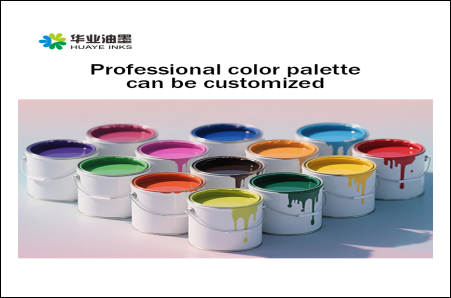
The flexo printing process, short for flexographic printing, is a highly versatile and efficient printing method widely utilized across numerous industries. It operates on the principle of relief printing, where an image is raised on a flexible printing plate, and ink is transferred from the plate to the substrate. The process begins with the preparation of the flexographic plate. This plate is typically made from a rubber or photopolymer material. In the case of photopolymer plates, a digital image is first transferred onto a light - sensitive film. The film is then exposed to ultraviolet (UV) light through a mask, which hardens the areas of the photopolymer that will form the printed image. The unhardened areas are washed away, leaving behind a raised relief image on the plate. Once the plate is ready, it is mounted onto a cylinder on the flexo press. Ink is applied to the plate using an anilox roller, which is a specially engraved roller that meters the ink and ensures an even distribution. The anilox roller's cell structure determines the amount of ink transferred to the plate, allowing for precise control over the ink laydown. As the plate - mounted cylinder rotates, it comes into contact with the substrate, which can be paper, cardboard, plastic film, or other materials. The raised image on the plate picks up the ink from the anilox roller and transfers it to the substrate. The pressure applied during the contact between the plate and the substrate ensures a good ink transfer, resulting in a clear and sharp printed image. Drying is a crucial step in the flexo printing process. Depending on the type of ink used, different drying methods are employed. Solvent - based inks dry through solvent evaporation, often with the help of heated dryers or air blowers. Water - based inks also rely on evaporation, but may require more advanced drying systems due to the higher boiling point of water. UV - curable inks, on the other hand, cure instantly when exposed to UV light, significantly reducing the drying time and allowing for high - speed production. The flexo printing process offers several advantages. It can handle a wide range of substrates with varying surface characteristics. It provides excellent color reproduction, capable of printing vibrant and accurate colors, making it suitable for packaging, labels, and promotional materials. Additionally, it is highly efficient for both short - run and long - run printing jobs, offering cost - effectiveness and flexibility in production. However, it also requires careful calibration of equipment and proper ink selection to ensure optimal print quality.